
Former Israeli PM Naftali Bennet's phone hacked by Handala group
 3 Min Read
The Handala group claims responsibility for hacking former Prime Minister Naftali Bennett’s iPhone, leaking sensitive data including contacts, private messages, and family photos.
-
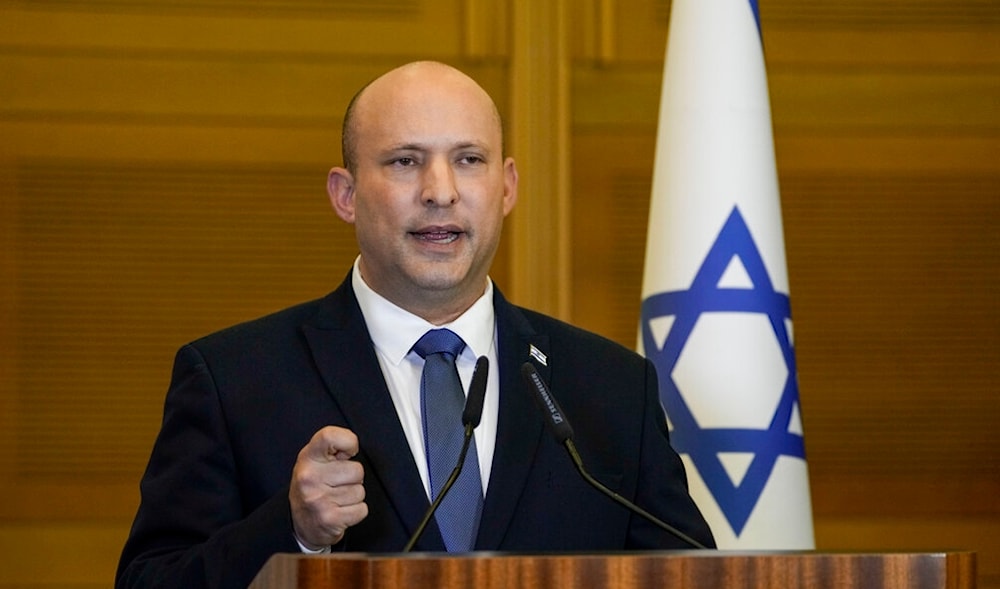
Former Israeli Prime Minister Naftali Bennett delivers a statement at the Knesset, in occupied al-Quds, on June 29, 2022. (AP)
The Handala hacker group claimed responsibility for breaching an iPhone 13 device reportedly used by former Israeli Prime Minister Naftali Bennett.
Following the breach, the group published documents containing a direct message to Bennett, mocking his cybersecurity skills. The group stated that the cyberattack resulted in the leak of sensitive data, including contact lists with phone numbers of prominent political figures, screenshots of personal conversations, and private photos involving Bennett’s family and public figures.
“You once prided yourself on being a leading light of cybersecurity and displayed your expertise to the world,” the group stated. “And even so, how ironic that your iPhone 13 fell so easily into the hands of Handala.”
“Despite all of your pride and boasting, your digital fortress is nothing more than a paper wall waiting to be broken.”
In an initial statement, Bennett’s office denied that a breach had taken place. However, later statements to Israeli media confirmed the hack, attributing it to “external means” that provided access to Bennett’s Telegram account. The office added that relevant security agencies and cybersecurity experts are handling the matter, noting that the device is currently not in use.
Bennett characterized the incident as a “cyber political assassination attempt” aimed at obstructing his return to political life. He also claimed that parts of the leaked material were fabricated for psychological warfare purposes.
Handala's history of targeting Israeli entities
The Handala group has previously carried out cyberattacks targeting strategic Israeli institutions, raising growing concerns over the scale and frequency of cyber intrusions targeting senior Israeli officials.
Earlier this week, the same group announced a $30,000 reward for information on Israeli engineers and technicians, sharing their photos, names, professional details, email addresses, locations, and phone numbers.
In July, the hacker group exposed the personal information of thousands of Israelis with ties to elite military and intelligence units, in what experts are calling one of the most alarming cyber breaches in recent years. The leak includes resumes with names, emails, phone numbers, and in some cases, addresses, belonging to individuals with sensitive roles in "Israel’s" security apparatus.
Among those affected are former intelligence officers, cyber warfare experts, drone operators, and engineers from elite units such as Unit 8200 and Unit 81, as well as personnel linked to the Prime Minister’s Office and the Ministry of Security.
The leak also maps out how former military personnel transition into the private sector, including firms like Elbit, Rafael, NSO Group, and Cognyte, or international companies in AI, surveillance, and cybersecurity.


