
Gabbard accused by NSA whistleblower of deviating from protocol
 5 Min Read
A whistleblower has accused DNI Tulsi Gabbard of halting the distribution of a classified NSA intelligence report involving a Trump associate.
-
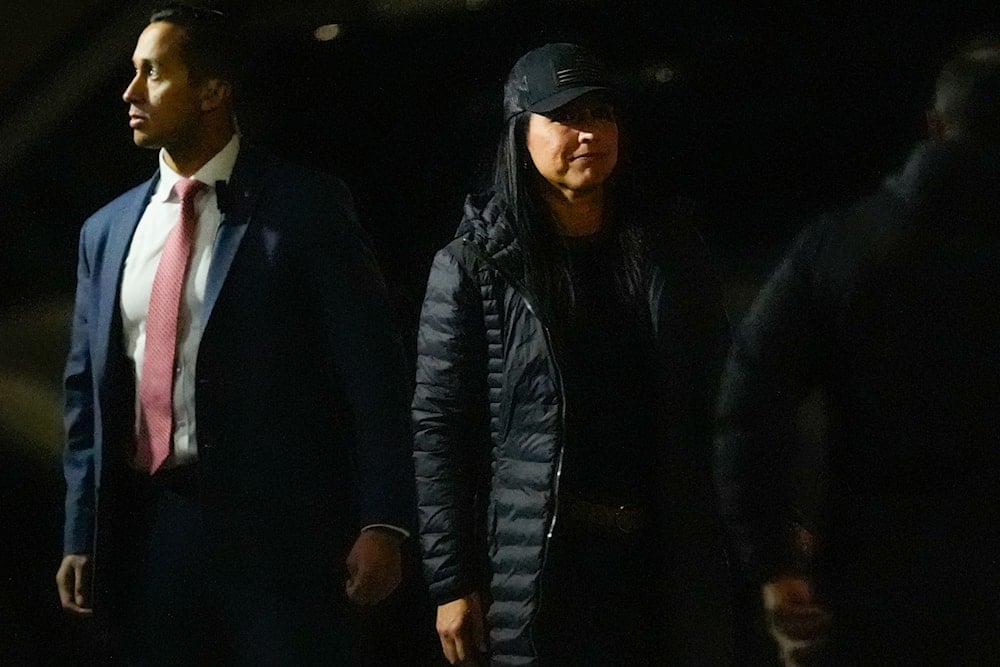
Director of National Intelligence Tulsi Gabbard enters the Fulton County Election HUB as the FBI takes Fulton County 2020 Election ballots on January 28, 2026, in Union City, Ga., near Atlanta. (AP Photo/Mike Stewart)
Last spring, the National Security Agency (NSA) intercepted an unusual phone call between two foreign intelligence operatives. According to whistleblower attorney Andrew Bakaj, the call involved a discussion about a person close to US President Donald Trump.
The contents of the classified communication were significant enough to be escalated to Director of National Intelligence (DNI) Tulsi Gabbard. However, rather than following standard distribution protocols, Gabbard reportedly hand-delivered a paper copy of the report to Trump’s chief of staff, Susie Wiles, according to Bakaj.
Following that meeting, Gabbard instructed NSA officials not to publish the intelligence report, instead directing that the material be transmitted solely to her office.
Bakaj stated that a whistleblower, alarmed by the deviation from standard intelligence handling, contacted the office of the inspector general on April 17. The formal complaint, submitted on May 21, alleged that Gabbard had obstructed the routine processing of a highly classified NSA intelligence report.
Early reporting by The Guardian suggested the phone call involved a Trump associate and a foreign intelligence agent. Bakaj later corrected this, stating the call was between two foreign intelligence agents and that it referenced someone close to the Trump White House.
“The NSA picked up a phone call between two members of foreign intelligence involving someone close to the Trump White House. The NSA does not monitor individuals without a reason,” Bakaj said.
According to a source familiar with the case, the individual mentioned in the call is not believed to be a US government employee or official.
ODNI responds to whistleblower allegations
The Office of the Director of National Intelligence (ODNI) dismissed the whistleblower’s claims. A spokesperson told The Guardian: "This story is false. Every single action taken by DNI Gabbard was fully within her legal and statutory authority, and these politically motivated attempts to manipulate highly classified information undermine the essential national security work being done by great Americans in the Intelligence Community every day." The statement emphasized that both Biden-era and Trump-appointed Intelligence Community Inspectors General had found the allegations baseless.
Despite ongoing concerns, the intelligence report remains classified eight months after interception. Acting Inspector General Tamara A Johnson dismissed the complaint following a 14-day review. In a June 6 letter, she wrote: "The Inspector General could not determine if the allegations appear credible." The letter required the whistleblower to await DNI guidance before approaching Congress due to the report’s sensitive classification.
Concerns escalated when Gabbard assigned senior advisor Dennis Kirk to the inspector general’s office on May 9, two weeks after the complaint was filed. Lawmakers and observers have questioned whether this move compromised the watchdog office's independence.
On Tuesday, Gabbard’s office publicly acknowledged the existence of the classified complaint for the first time, issuing a letter to lawmakers, one day after The Wall Street Journal reported on the matter. The ODNI posted the statement on its X account, claiming the inspector general had not properly informed Gabbard of her reporting obligations to Congress.
Procedural anomalies and political divide
Two attorneys and former intelligence officials told The Guardian they found procedural irregularities in how the whistleblower disclosure, marked as “urgent concern”, was handled. The "Gang of Eight" received a heavily redacted version of the complaint on Tuesday.
The Gang of Eight is a term for the eight leaders within the United States Congress who are briefed on classified intelligence matters by the executive branch.
Republican Senator Tom Cotton defended Gabbard, saying on X, saying, "The DNI took the necessary steps to ensure the material was handled and transmitted appropriately in accordance with law."
I’m one of the members of Congress briefed on this matter last week. As I said below, I agree with not one but two inspectors general—one of whom served under Biden—who concluded that the complaint isn’t credible. It seemed like an effort by the president’s critics to undermine… https://t.co/liZIZMjRXZ
— Tom Cotton (@SenTomCotton) February 8, 2026
Democrats raised alarms over the delay, with Senator Mark Warner saying, "The law is clear... the agency has 21 days to relay it. This complaint was issued in May. We didn’t receive it until February." He accused officials of trying to "bury the complaint."
Access to underlying intelligence sought
The full whistleblower complaint remains undisclosed. According to Andrew Bakaj, Gabbard’s office redacted large portions before releasing it to Congress, citing executive privilege. "By exercising executive privilege, they are flagging that it involves presidential action," Bakaj said.
On February 3, Bakaj urged Gabbard’s office to guide for securely sharing the full complaint with Congress. He received no response by the deadline and plans to brief the House and Senate intelligence committees.
Separately, members of the "Gang of Eight" have requested the original NSA intelligence report, which they can obtain directly from the agency, bypassing ODNI.
Representative Stephen F. Lynch raised concerns about Dennis Kirk’s May appointment to the inspector general’s office. Kirk, a former Trump official and contributor to Project 2025, drew criticism for potentially compromising the office’s independence. "The appointment of a highly partisan advocate... raises troubling questions about the independence of the IC IG," Lynch wrote.


