
Givat Ze’ev upgrade deepens Israeli settlement expansion in West Bank
 2 Min Read
The conversion of Givat Ze’ev into a city marks a new step in the Israeli settlement expansion drive, with Palestinian officials warning of wider political and legal consequences.
-
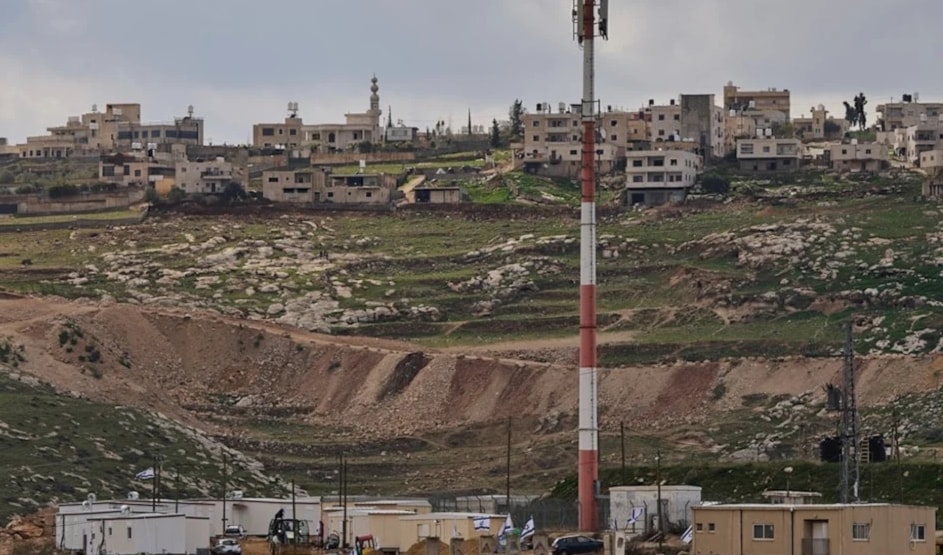
The Israeli settlement of Yaztiv is seen in the occupied West Bank, January 19, 2026 (AP)
"Israel’s" conversion of the Givat Ze’ev settlement, built on usurped Palestinian lands northwest of occupied al-Quds, from a local council into a city constitutes part of its war crimes in the West Bank, Hassan Brijieh, a prominent Palestinian advocate and Director of the Colonization and Wall Resistance Commission (CWRC) office in Beit Lahm, stated.
In a statement to Sputnik, Brijieh explained that granting the settlement city status provides it with broader administrative and legal privileges and opens the way for expanding settlement activity in the area northwest of occupied al-Quds.
A plan to encircle al-Quds, isolate it
Brijieh noted that the administrative change aims to tighten the siege around occupied al-Quds and isolate it from its Palestinian surroundings, starting with Givat Ze’ev in the northwest, passing through the Ma’ale Adumim settlement to the east, and extending to the Gush Etzion settlement bloc in the south.
He stressed that the scheme represents a direct assault on the Palestinian people’s right to self-determination, warning of its legal, political, and settlement-related implications.
Military order turns settlement into a city
The commander of Israeli Central Command, Avi Bluth, had signed a military order converting Givat Ze’ev from a local council into a city.
Israeli Finance Minister Bezalel Smotrich said the move aims to strengthen settlement expansion and prevent the establishment of a Palestinian state.
The decision comes after the Knesset approved legislation granting tax benefits to a number of settlements in the West Bank, while the Tax Authority estimated the cost to the state budget at around 130 million shekels.
Smotrich has also allocated financial funds to be provided to settlers in the form of tax exemptions, with the aim of encouraging more Israeli settlers to move to settlements established in the West Bank, ultimately increasing the number of settlers to one million.
Smotrich had previously announced the launch of the “settlement revolution", stressing that it would not be limited to the West Bank but would also extend to al-Naqab and occupied al-Jalil.


