
Infamous militia leader Yasser Abu Shabab, cohorts killed in Rafah
 3 Min Read
Israeli media have described the development as “bad for Israel.”
-
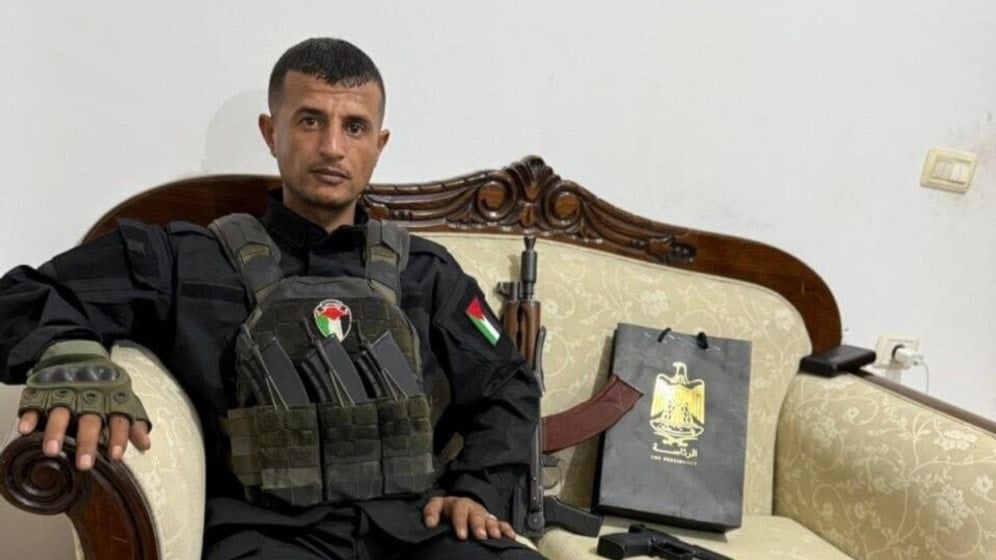
Yasser Abu Shabab, leader of the Popular Forces collaborator militia, in an undated photo, Gaza (Social media)
Yasser Abu Shabab and several of his cohorts were killed on Tuesday afternoon in Rafah, southern Gaza, Israeli media reported, describing the development as "bad for Israel."
Israeli Channel 12 reported that authorities are “investigating whether Hamas operatives infiltrated Abu Shabab’s area of control and carried out the assassination.” In response, the Palestinian Resistance’s Rade' security force in Gaza published a photo of Abu Shabab with the caption: “As we told you, Israel will not protect you.”
Israeli Army Radio noted that senior army officials had opposed the idea of forming militias that collaborate with "Israel" in Gaza, warning that “their fate is inevitable, that is, death," citing the failed South Lebanon experiment as proof.
Militia leader meets Kushner
According to Israeli Kan Channel, Abu Shabab had met with US envoy Jared Kushner on November 11 at the US command headquarters in southern occupied Palestine, where they discussed the role of his forces in areas outside Hamas’ control.
Abu Shabab, who the Gaza government had imprisoned on charges of theft and drug offenses, escaped from prison following an Israeli raid early in the 2023 escalation, later becoming the head of the militia collaborating with the Israeli occupation in Gaza.
Israeli Army Radio reported that "Israel" had supplied weapons to militia members, many of which were originally seized from Hamas inside Gaza, including Kalashnikov rifles, before being transferred to the militia operating mainly in the Rafah area.
Who is Abu Shabab?
Yasser Abu Shabab rose to prominence as the leader of a new armed group known as Popular Forces, operating primarily in the Rafah area of southern Gaza. The Popular Forces are widely described in international reporting and analysis as an “Israeli‑backed militia”.
Abu Shabab’s background reportedly includes previous criminal activity, including drug trafficking, charges for which he had been imprisoned before the outbreak of war. After his release (and amid the chaos of war), he positioned himself as an alternative power center to Hamas, leveraging clan and tribal connections in a context of the collapse of centralized authority.
Under his leadership, the Popular Forces have been accused of systematically looting humanitarian aid entering Gaza, particularly trucks bringing supplies into Rafah and nearby crossings. Observers argue that this looting and the armed group’s ability to operate, reportedly with weapons, vehicles, and logistical support, are only possible because of backing from “Israel", making Abu Shabab’s militia effectively a proxy force.


