
Iran calls for dialogue amid escalating Yemen conflict
 3 Min Read
Iran's Foreign Ministry calls for dialogue and unity in Yemen, stressing regional cooperation as tensions rise between Saudi Arabia and the UAE.
-
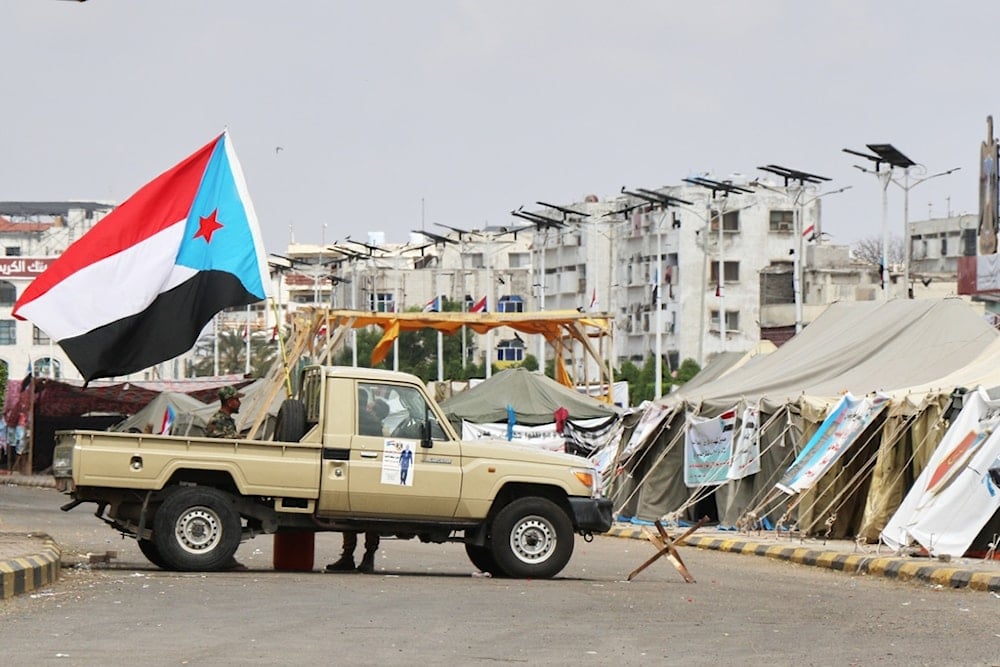
Southern Yemen soldiers of Southern Transitional Council (STC) stand alert at a check point, in Aden, Yemen, Wednesday, Dec. 31, 2025 (AP)
Iran’s Ministry of Foreign Affairs on Wednesday emphasized the need for all relevant parties to prioritize the interests of the Yemeni people and consider regional security, calling for disputes to be resolved through dialogue.
The ministry emphasized the importance of regional countries collaborating to preserve Yemen’s unity and territorial integrity, warning that any actions that escalate instability in Yemen or undermine regional security are unacceptable.
The Iranian Foreign Ministry further highlighted that a comprehensive dialogue, the implementation of a clear roadmap, and the formation of an inclusive government within the framework of Yemen’s territorial unity represent the only viable solution.
In a related development, Iranian Foreign Minister Abbas Araghchi expressed concern over rising tensions in southern Yemen during a call with his Bahraini counterpart, Abdul Latif bin Rashid Al Zayani, urging all regional states to make efforts to preserve Yemen’s unity and territorial integrity.
Tensions continue to rise in Yemen
Earlier on Wednesday, the UAE-backed Southern Transitional Council called for a mass mobilization in Shabwa, in southern-central Yemen, demanding the declaration of an independent southern state. These recent developments follow escalating tensions between Saudi Arabia and the UAE, triggered by the council’s control over large areas in southern Yemen, which Riyadh has described as a violation of existing agreements.
Meanwhile, on December 30, media outlets close to the Hadhramaut Tribal Alliance reported that forces affiliated with the UAE-backed Southern Transitional Council (STC) withdrew from several positions in the districts of Ghayl bin Yamin and Ghayl bin Wazir, which are located northeast of al-Mukalla, the capital of Yemen’s Hadhramaut province, and the withdrawal comes amid ongoing tensions and shifting control in the region.
The reported pullback comes a day after the UAE Ministry of Defense announced the disbandment of the remaining forces it describes as “counterterrorism units” in Yemen, stating that the decision was made “of its own accord” while emphasizing that the move was carried out with personnel safety ensured and in coordination with relevant partners, and the announcement comes amid broader shifts in military deployments in the region.
The ministry stated that the decision came after a comprehensive assessment of current requirements and aligned with the UAE’s commitments and its declared role in supporting regional security and stability, reflecting an ongoing evaluation of its strategic priorities in the region.


