
War on Iran adds new strain on Europe’s struggling industrial sector
 3 Min Read
The war with Iran is adding pressure on Europe’s struggling industrial sector as rising energy prices threaten chemical production in Germany.
-
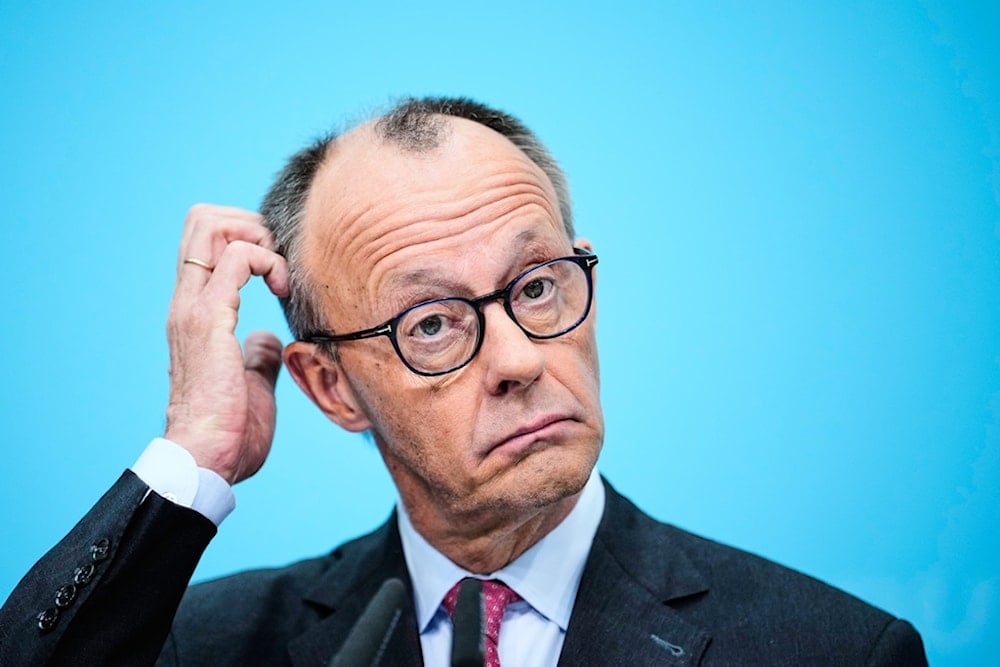
German Chancellor Friedrich Merz attends a board meeting at CDU party headquarters in Berlin, Germany, on March 9, 2026. (AP)
The ongoing war on Iran is adding further pressure on Europe’s already struggling industrial backbone, particularly energy-intensive sectors such as chemicals.
In Leuna, eastern Germany, one of Europe’s largest chemical hubs is facing mounting challenges as rising energy prices and geopolitical tensions continue to strain operations.
At the Leuna chemical park, a facility operated by Domo Chemicals, recently filed for insolvency after struggling to cover the high costs of converting benzene into nylon, a process used in products ranging from fuel tanks to food packaging.
The sudden financial collapse raised concerns about a potentially dangerous shutdown, which could have released toxic substances and threatened nearby facilities as well as the 14,000 residents living around the industrial complex.
Rising energy costs squeeze European industry
The crisis highlights broader challenges facing Germany’s energy-intensive industries, which have been hit by a combination of factors, including:
- Rising energy prices following the Ukraine war
- Higher European Union carbon costs
- Increasing competition from Chinese chemical producers
- Weakening global demand
For InfraLeuna, the operator of the chemical complex, the monthly gas bill has surged from €6 million before the Ukraine war to around €10 million, and could rise to €17 million at current prices, according to managing director Christof Günther.
The chemical industry and energy-intensive industries in Germany are in a state of acute emergency," Günther said.
State intervention prevents industrial shutdown
To prevent a dangerous shutdown of the plant during winter, regional authorities in Saxony-Anhalt provided emergency financing, allowing the facility to maintain minimal safe operations.
The plant employs around 500 workers, and officials are now searching for investors willing to take over the facility.
However, the government funding is expected to last only until the end of the month, leaving the future of the plant uncertain.
War on Iran sends shockwaves through Europe's energy supply
The US and Israeli aggression against Iran has thrown global energy markets into disarray, sending shockwaves across Europe as shipping through the Strait of Hormuz, the gateway for roughly a fifth of the world's oil and gas, grinds to a near-standstill.
European natural gas prices have nearly doubled since the war erupted, reaching €56 per megawatt-hour as of Tuesday, with oil prices rising around 10 percent over the same period.
While Europe imports less than 10 percent of its gas through the Strait of Hormuz, the closure of the route has removed a significant volume of supply from global markets, pushing prices up worldwide and squeezing households and industry already burdened by some of the world's highest energy costs.
The price spike comes at a particularly vulnerable moment. European gas reserves fell to a four-year low of around 30 percent of capacity in March, according to ENTSOG data, after a colder-than-normal winter drained stockpiles, particularly in Germany.
Emergency reserves have not yet been deployed, with officials from multiple capitals telling POLITICO they remain cautious about the conflict's trajectory.


