
Iran war forces US embassies into emergency security posture worldwide
 2 Min Read
US orders global embassy security reviews amid war on Iran after rising attacks on diplomatic missions and growing concerns over regional spillover.
-
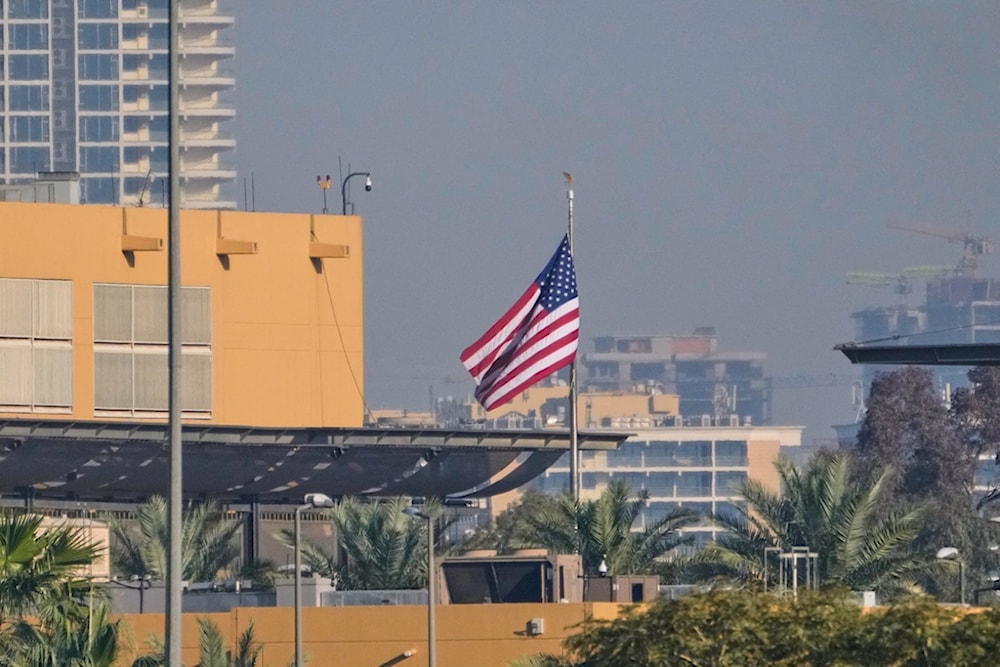
U.S. Embassy is seen across the Tigris River in Baghdad, Tuesday, March 17, 2026. (AP)
The United States has instructed all its embassies and diplomatic missions worldwide to immediately review security measures, amid escalating tensions linked to the ongoing war on Iran.
According to a report by The Washington Post, citing a State Department cable, all US diplomatic posts have been ordered to convene Emergency Action Committees (EACs) to assess threats and review their security posture.
The directive, signed by Secretary of State Marco Rubio, cited “the ongoing and developing situation in the Middle East and the potential for spill-over effects.”
This marks the first time since the start of the Iran war that such a review has been extended to all US missions globally.
Rising attacks on US missions
US embassies and facilities have faced increasing attacks since the escalation began on February 28.
- Nearly 300 attacks have been recorded in Iraq alone
- Several diplomatic missions have been temporarily closed
- US personnel have been evacuated from multiple locations
- In Baghdad, the US Embassy was targeted again, with drones intercepted by air defense systems while another struck inside the compound, causing a fire.
Regional and global incidents
While most attacks have occurred in West Asia, security threats have also emerged elsewhere:
- Gunfire reported near the US Consulate in Toronto
- An explosion was recorded near the US Embassy in Oslo
- In Saudi Arabia, a drone strike left parts of the US Embassy in Riyadh “unrecoverable,” with structural damage and smoke contamination.
Persistent threat environment
US officials described the threat level as “persistent”, particularly in Iraq, where resistance groups have reportedly sought information about American citizens. In another incident, a residential building housing US diplomatic personnel in "Israel" was struck by debris from an intercepted Iranian ballistic missile.
The State Department stated that the timing of the global review does not necessarily indicate a specific new threat, emphasizing that such measures are part of standard risk management procedures. However, under its “no double standards” policy, US diplomatic missions are required to share credible threat information with American citizens abroad.
The security directive reflects growing concerns that the Iran war could expand beyond the region, placing US diplomatic personnel and facilities at increased risk worldwide.


