
Iranian strikes leave US bases ‘irreparably’ damaged: ABC News
 5 Min Read
Iranian strikes have heavily damaged US military bases in Kuwait and Saudi Arabia, with a US service member warning repairs could take decades.
-
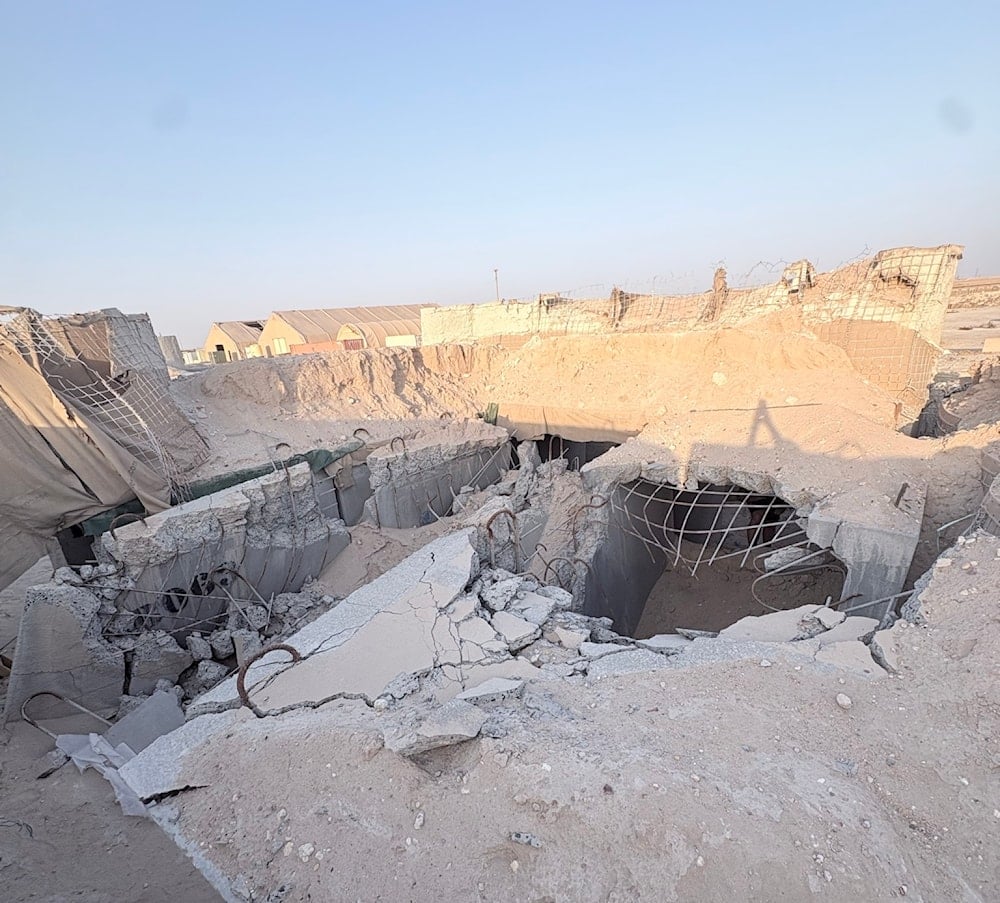
Photo shows the aftermath of an Iranian retaliatory strike on a US base in Kuwait, released on September 19, 2026 (Photo by MeidasTouch Network)
Iranian strikes have caused extensive damage to US military installations across West Asia, with a senior US service member saying the damage at bases in Kuwait and Saudi Arabia is “irreparable,” according to a report by ABC News.
Photos and videos obtained by the US outlet show damaged buildings and military equipment at three US bases in Kuwait and a Saudi base hosting US assets, some of which were reportedly evacuated amid the strikes.
المزيد من المشاهد تُظهر عدة مبانٍ دُمرت بالكامل، والحطام متناثر في مناطق واسعة في أحد القواعد الأميركية في الكويت. https://t.co/qBrhSsJf8Y pic.twitter.com/NqhW5x9mbu
— Ali A.bk (@AB3_Ali3) September 18, 2026
US bases face extensive damage
“These bases have been irreparably damaged. And if we choose to rebuild them, it's going to be a decades-long undertaking,” the senior US service member told ABC News on condition of anonymity.
The service member also accused the Pentagon of failing to provide sufficient transparency over the extent of the damage, saying, “There are drone strikes and ballistic missile strikes actively landing on bases every day.”
صور جديدة لآثارات الضربات الإيرانية على القواعد الأميركية في الكويت pic.twitter.com/47lSQKrt8I
— Ali A.bk (@AB3_Ali3) September 18, 2026
A Pentagon inspector general report released Monday said “hundreds of buildings and structures” had been damaged at US bases across the region. ABC News also reported that the Pentagon has not publicly provided a full assessment of the damage to US installations in Kuwait, Bahrain, Qatar, the UAE, Saudi Arabia, Iraq, Oman, and Jordan.
The financial burden of the war has also continued to grow. While the Pentagon inspector general estimated the cost at $33 billion and the Congressional Budget Office put it at $38 billion through its latest assessment, a more recent US Central Command estimate reviewed by The Washington Post put the cost at $43.6 billion through early September. The figure includes $28 billion in munitions and more than $4.3 billion in equipment lost or damaged, but excludes the cost of rebuilding damaged US bases.
US casualty figures face new scrutiny
The scale of the damage comes as questions have also emerged over the Pentagon’s public accounting of US military deaths during the war.
An exclusive report by The Washington Post, citing six US officials familiar with the War Department’s internal casualty records, said more US service members have died in West Asia since the war began than the Pentagon has publicly disclosed. Five officials told the newspaper that at least 22 US military personnel had died since February 28, four more than the 18 fatalities listed in the Pentagon’s public Defense Casualty Analysis System (DCAS). A sixth official put the number at 23.
The officials said not all of the additional deaths were directly caused by the war, but involved US personnel deployed in West Asia amid ongoing hostilities. One official also said three US contractors based in the region had died since combat operations began.
According to DCAS data cited by The Post, 14 fatalities are currently listed under Operation Epic Fury, the Trump administration’s designation for the Iran war. Four additional deaths are recorded under a separate “Overseas Operations” category, following a July ceasefire between Washington and Tehran that subsequently collapsed.
Deaths missing from public database
The Washington Post report also identified two US service members whose deaths since February have not appeared by name in the relevant DCAS records.
US Army Sgt. Devin Seibel died in a training accident in Erbil, Iraq, on May 31 while assigned to Operation Inherent Resolve, according to the War Department. His name does not appear in the corresponding DCAS tally.
Maj. Sorffly Davius died in Kuwait on March 6 following an unspecified medical emergency. It remains unclear whether his death was connected to an Iranian strike. A War Department announcement said he had been deployed under Operation Spartan Shield.
The Pentagon’s public database has also recorded more than 820 US service members wounded in action since the war began, with The Post reporting that many suffered traumatic brain injuries during Iranian counterstrikes against US bases across West Asia.
The issue extends beyond the question of how many personnel have been killed. As The Post noted, casualty reporting can affect line-of-duty investigations and, consequently, the survivor benefits available to the families of fallen service members.
A mounting cost for Washington
The reports of extensive damage to US military infrastructure, rising war expenditures and discrepancies surrounding casualty figures offer a broader picture of the costs Washington has incurred since launching the war on February 28.
While the Pentagon continues to publicly report 18 military fatalities, US officials cited by The Washington Post say the actual number of military deaths in the region is higher. At the same time, US Central Command’s latest estimate places the war’s cost at $43.6 billion even before accounting for the potentially substantial expense of rebuilding damaged facilities.
Taken together, the damage reports and competing casualty figures underscore the growing scale of the military and financial toll of the war, while leaving significant questions over the full extent of the losses sustained by US forces and infrastructure across West Asia.
Read more: US military faces a new reality: Wars that cannot be won quickly


