
Iraqi PM fires commander after Saudi pipeline attack
 3 Min Read
Iraq's prime minister fired a military commander and ordered an investigation after Saudi Arabia said drones from Iraq struck its East-West pipeline.
-
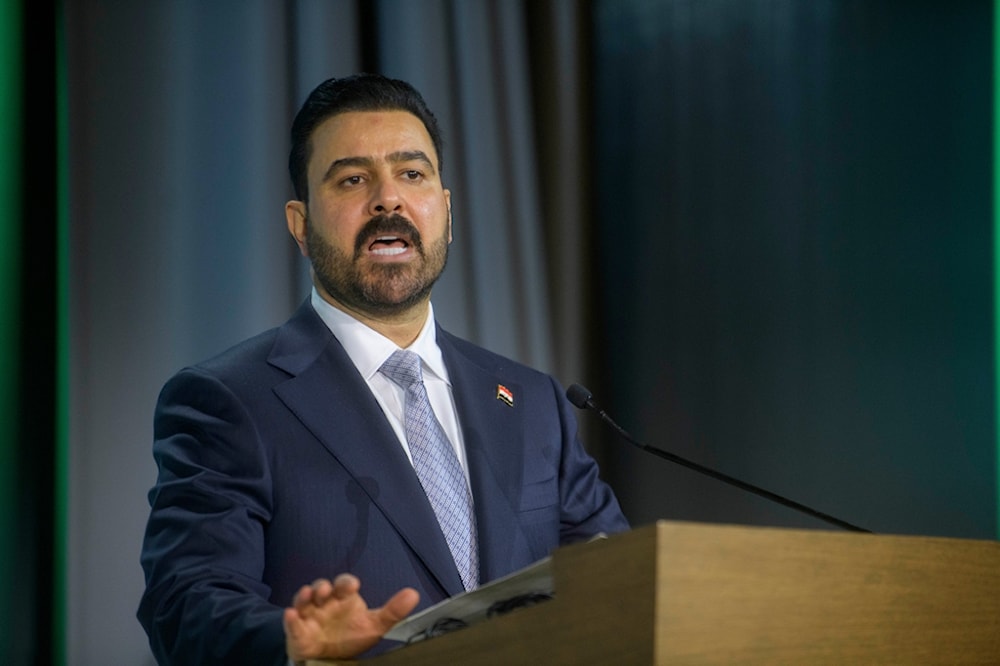
Iraqi Prime Minister Ali al-Zaidi speaks at the US Iraq Business Summit at the US Chamber of Commerce, on July 17, 2026, in Washington. (AP)
Iraq's Prime Minister Ali al-Zaidi ordered the formation of an investigative council and dismissed the commander of military operations in Maysan province on Friday, according to the Iraqi News Agency, after Saudi Arabia claimed the drones that struck its East-West pipeline this week were launched from that province.
Al-Zaidi separately ordered an urgent investigation into the circumstances of the attack and the parties responsible.
A statement from Sabah al-Numan, spokesperson for the commander-in-chief of Iraq's Armed Forces, said Iraq condemns the attack and rejects any aggression that threatens Saudi security or harms relations between the two countries, adding that Baghdad affirms "its territory and airspace will not be used as a launching pad for aggression."
The Iraqi government separately said its policy rests on respecting the sovereignty of states and rejecting any aggression against them.
Al Mayadeen's Iraq bureau chief reported that three senior Iraqi security officials traveled to several Gulf states, including Kuwait, amid the diplomatic fallout from the attack.
The Saudi allegation and pipeline damage
Saudi Arabia's Foreign Ministry said several drones launched from Iraqi territory struck the East-West pipeline in the Riyadh and Medina regions on Thursday, wounding several people and forcing a precautionary shutdown of the line.
The ministry condemned the attack and said Saudi Arabia "reserves the right to take all necessary measures to protect its sovereignty," while adding that it would hold off on retaliating for now at the request of Iraq's prime minister, to give Baghdad time to prevent further attacks originating from its territory.
Iraq said it appreciates Riyadh's decision to hold off on a response.
A pipeline meant to bypass Hormuz
The East-West pipeline, also known as Petroline, carries up to 7 million barrels of crude a day roughly 1,200 kilometers from Abqaiq in Saudi Arabia's Eastern Province to the Red Sea export terminal at Yanbu.
Riyadh has leaned more heavily on the pipeline since the start of the US war on Iran, using it to route exports around the Strait of Hormuz. The source of the drones has not been independently confirmed beyond Saudi Arabia's own attribution.
Read more: 5,400 km² retrieved: YAF detail operation along Yemen's western coast


