
Israeli cabinet approves 2026 $35 billion security budget
 3 Min Read
The Israeli cabinet approves the 2026 security budget with a sharp rise in military spending, setting up a tense Knesset battle amid deep coalition divisions.
-
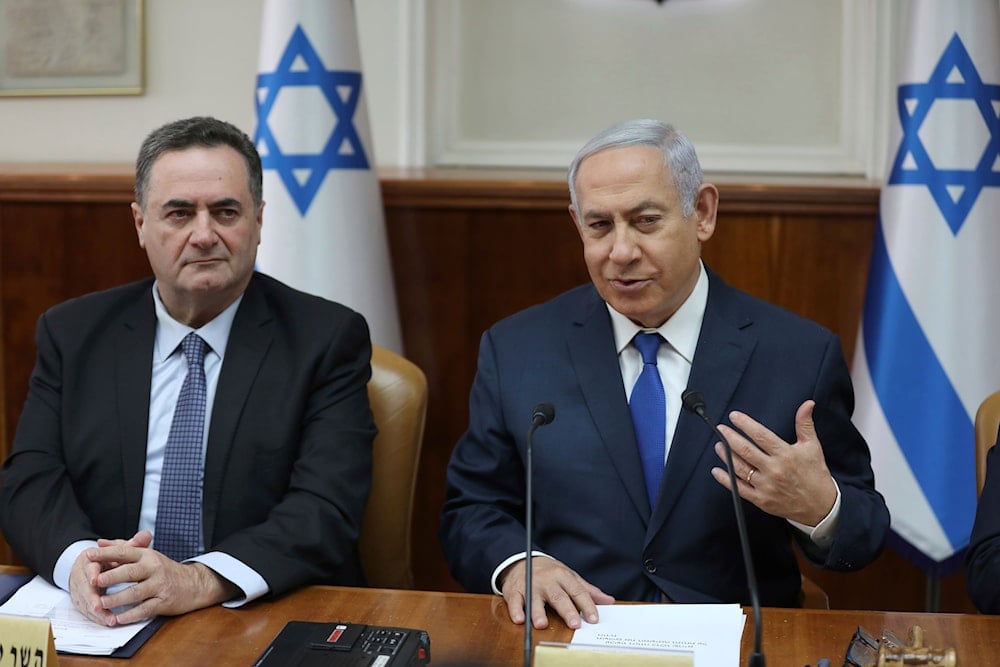
Israeli Prime Minister Benjamin Netanyahu, right, sits next to then-Minister of Transport and Minister of Foreign Affairs, Israel Katz, during the weekly cabinet meeting at his office in occupied al-Quds, on February 24, 2019. (Abir Sultan/Pool via AP)
The cabinet of the Israeli occupation has approved the 2026 security military budget, allocating 112 billion shekels ($35 billion) for security, a significant increase from an earlier draft that set spending at 90 billion shekels ($28 billion).
The plan now moves to Knesset for an initial vote, where it is expected to encounter strong backlash amid worsening political polarization. Under Israeli occupation law, the budget must pass by March, or the occupation government will be forced into new elections.
The rise in security spending reflects the financial fallout of wars on Gaza and Lebanon. According to the Israeli occupation, Security Minister Israel Katz supported the increase, and his office said, "We will continue to act decisively to reinforce the IDF and to fully address the needs of the fighters and to reduce the burden on reservists - to ensure the security of the State of Israel on every front."
The Israeli occupation's coalition has splintered repeatedly over the course of the past two years, strained by disagreements over the war on Gaza, the ceasefire, and ongoing disputes over whether ultra-Orthodox seminary students should be exempt from mandatory military service. These divisions have created a volatile political climate, raising doubts over whether the budget can secure the necessary support in the Knesset.
Ministers held a marathon session on Thursday before approving the plan, underscoring the internal pressure facing the occupation. The Knesset debate is expected to highlight unresolved ideological disputes, particularly as coalition partners weigh security expansion against domestic demands and fiscal constraints.
Impact of Gaza war costs on fiscal policy
The war on Gaza has dramatically reshaped fiscal priorities for the Israeli occupation. According to official figures, "Israel" spent $31 billion in 2024 on military activity in Gaza and on the northern front with Lebanon. This surge in wartime expenditure has driven a long-term shift in budget planning, with the 2026 proposal reflecting sustained investment in the occupation’s armed forces.
Finance Minister Bezalel Smotrich said the 2026 security budget represents a 47 billion shekel ($14.5 billion) increase compared with 2023, the year before the war. His office quoted him as saying, "We are allocating a huge budget to strengthen the army this year, but also one that allows us to return the State of Israel to a path of growth and relief for citizens."
One of the most contentious issues shaping the political landscape is the demand by ultra-Orthodox political parties to exempt yeshiva students from compulsory military service. The dispute has widened rifts inside the coalition and contributed to broader public frustration over unequal burdens placed on different segments of society.
As lawmakers prepare to debate the budget, the exemption issue is likely to resurface as a central point of contention.
Amid the increase in security spending and the government’s political cohesion already under severe strain, the upcoming Knesset process is poised to test the stability of the ruling coalition. The battle over the budget will reveal whether the Israeli occupation can manage its internal divisions while navigating the economic consequences of its wars in the region.


