
Israeli reports acknowledge Hezbollah’s cohesion amid aggression
 3 Min Read
Israeli media report that Hezbollah remains cohesive and operationally capable despite Israeli strikes, with Sheikh Naim Qassem maintaining command and the Radwan Force shifting to guerrilla tactics.
-
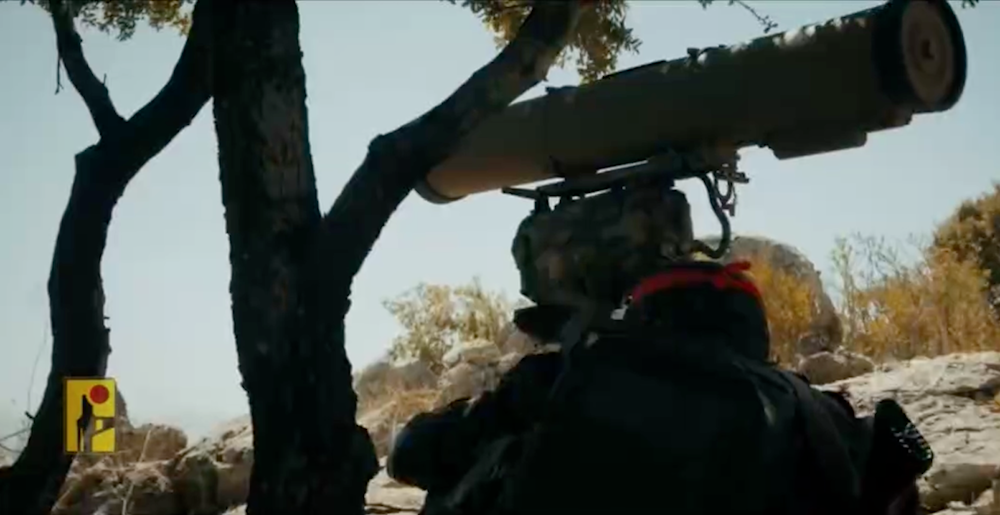
Israeli media acknowledge Hezbollah’s cohesion amid aggression.
Israeli newspaper Yedioth Ahronoth reported Friday that Hezbollah remains a highly disciplined and operationally cohesive force despite extensive Israeli attacks targeting the Resistance's leadership and infrastructure.
According to the report, Hezbollah’s Secretary-General, Sheikh Naim Qassem, continues to exercise decisive control over the organization, maintaining a relatively structured chain of command.
“Contrary to earlier assumptions, there are no signs of disintegration or collapse within Hezbollah,” the newspaper stated.
The report noted that while "Israel" has achieved significant tactical successes, including targeted assassinations, Hezbollah fighters continue to follow Sheikh Qassem’s orders without dissent, supported by a leadership team capable of keeping the organization operational. The newspaper also highlighted the heavy rocket barrages launched toward occupied territories, alongside Iranian missile support, as evidence of Hezbollah’s ability to sustain command and control.
Israeli assessments that Hezbollah had fallen into a strategic trap at the start of the war, following the Israeli attack on Iran and the assassination of Sayyed Ali Khamenei, now appear “insufficiently accurate”. Sheikh Qassem and Hezbollah’s leadership, it noted, made a deliberate decision to engage in confrontations with "Israel" from the outset.
Shifts in Hezbollah’s military tactics
The Yedioth Ahronoth detailed that Hezbollah’s special forces, the Radwan Force, previously considered a conventional force capable of large-scale incursions into northern occupied Palestine, has now shifted toward guerrilla-style tactics. Israeli sources estimate that Hezbollah launches approximately 90 rockets daily, mostly 122mm Grad missiles, while continuing targeted ambushes, improvised explosive operations, anti-armor attacks, and sniper actions reminiscent of its 1990s operations.
Despite ongoing Israeli pressure, Radwan units remain operational, highlighting Hezbollah’s adaptability in the face of sustained targeting.
Domestic and regional implications
The report also noted that civilian suffering in Lebanon, particularly among non-Shia communities, is affecting internal attitudes toward Hezbollah.
“The Israeli threat to Lebanon’s civilian infrastructure plays directly into Hezbollah’s narrative as the sole defender of the state, rather than President Joseph Aoun or Prime Minister Nawaf Salam,” the newspaper observed.
The ongoing Israeli campaign across Lebanon continues, while Hezbollah and other Resistance forces maintain operations targeting strategic sites in the occupied Palestinian territories and thwarting Israeli incursions across the border. These developments have reportedly shocked Israeli public opinion, which had previously discussed limiting Hezbollah’s capabilities significantly.
Read more: Hezbollah missiles reach Al-Quds, destroy strategic IOF cyber site


