
JD Vance communicating with Pakistan to relay messages to Iran
 3 Min Read
The United States' engagement with Iran, mediated by Pakistan, is being executed by US Vice President JD Vance, with a key term being a ceasefire for reopening the Strait of Hormuz.
-
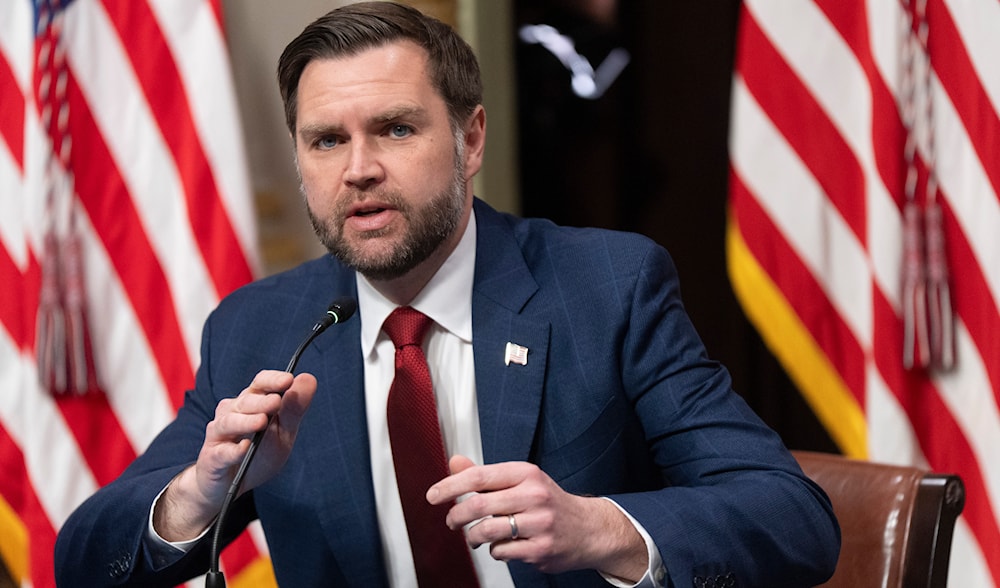
Vice President JD Vance, chair of the Task Force to Eliminate Fraud, speaks during the task force's first meeting in the Indian Treaty Room at the Eisenhower Executive Office Building on the White House complex in Washington, March 27, 2026 (AP)
The United States and Iran are engaged in discussions over a potential ceasefire, with negotiations focusing on a ceasefire in exchange for reopening the strategically vital Strait of Hormuz, sources familiar with the matter told ABC News.
Vice President JD Vance recently relayed messages to Iranian officials through Pakistani intermediaries, as recently as Tuesday, according to a US official and a Pakistani counterpart.
At the direction of former President Donald Trump, Vance indicated that the US would consider a ceasefire if specific demands were met, including the reopening of the maritime chokepoint. In addition, Vance conveyed that Trump was growing “impatient” and warned that pressure on Iranian infrastructure could intensify if a deal was not reached, the US source said.
The vice president’s role in the negotiations was first reported by Reuters.
Trump concedes Strait of Hormuz to Iran
US President Donald Trump has made it clear that he is willing to end the US aggression on Iran even if the Strait of Hormuz remains firmly closed, effectively waving the white flag on one of his most touted objectives, according to US administration officials cite by the Wall Street Journal
Officials said Trump and his aides concluded that any serious attempt to reopen the strait would almost certainly drag the war past his preferred four- to six-week deadline. Faced with Iran’s iron grip on the vital chokepoint, the president appears to have decided it is easier to punt than to fight, leaving the strategic waterway in Tehran’s hands and signaling an extraordinary retreat.
Instead of tackling the Strait head-on, the administration is now focused on inflicting limited damage to Iran’s navy and missile capabilities while applying diplomatic pressure, a strategy insiders describe as “all hat, no cattle,” given Iran’s steadfast resistance.
Trump has also turned to the international community to pick up the slack, publicly urging European and Gulf allies to step in and reopen the strait themselves. “There are military options available,” one official admitted, “but they are not the president’s immediate priority,” a polite way of saying the United States is essentially washing its hands of the matter for now.
The move marks a rare and conspicuous acknowledgment that a marquee goal of the US-Israeli war on Iran may remain out of reach. It underscores the limits of American power, the gap between Trump’s grand rhetoric and operational reality, and a president willing to walk away rather than risk a protracted struggle over a strategic chokepoint he cannot control.


