
Khaled al-Saifi dies days after release from Israeli occupation prison
 3 Min Read
Palestinian detainee Khaled al-Saifi died one week after being released from Israeli occupation prisons in a case that highlights the policy of "slow execution" through administrative detention.
-
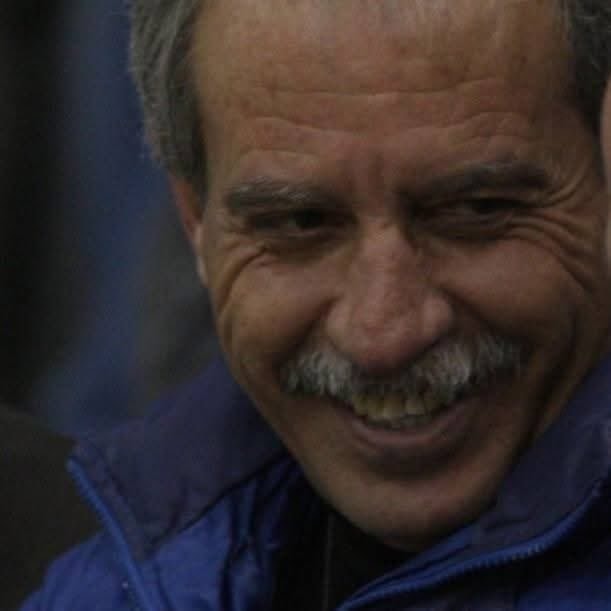
Undated photo of Palestinian detainee Khaled al-Saifi (X/@Gredtoo)
Palestinian detainee and educator Khaled al-Saifi, from the Dheisheh refugee camp in Beit Lahm, died just one week after being released from Israeli occupation prisons, drawing renewed attention to the conditions faced by Palestinian detainees.
Al-Saifi had been held for four months under administrative detention without charge or trial. Upon his release, his health was already in critical condition, according to a joint statement issued Monday by the Commission for Detainees Affairs and the Palestinian Prisoners Society.
The two organizations stated that prison authorities gave al-Saifi an injection, reportedly for influenza, which caused severe inflammation. A second injection was administered and followed by his transfer to the Ramleh Prison Clinic.
They described al-Saifi’s death as a reflection of the "slow execution" policy employed against Palestinian detainees, claiming he was only released when occupation authorities were certain his condition had become fatal.
Only a week after his release from Israeli occupation detention, Palestinian former prisoner Khaled Al-Saifi from Dheisheh camp in Bethlehem died. Khaled was released straight to the ICU due months of Israel's deliberate health negligence and barring him his medications. pic.twitter.com/klLznU676Q
— Quds News Network (@QudsNen) February 2, 2026
Al-Saifi’s role in Palestinian cultural resistance
Al-Saifi was the founder and director of the Ibda’a Cultural Center and a leading cultural, social, and political figure in the Dheisheh camp. He had long been a target of the occupation, repeatedly abducted since the 1980s.
Despite his age and deteriorating health, he was placed under administrative detention twice since the beginning of the war on Gaza, further fueling accusations of deliberate harm by Israeli authorities.
The Palestinian Prisoners Society noted that al-Saifi was one of thousands held under the administrative detention system, which has dramatically expanded in recent months. Over 3,380 Palestinian detainees are currently held without charge or trial, including women and children, under the authority of Israeli military courts.
Human rights groups report continued violations inside Israeli occupation prisons, including poor hygiene, systemic abuse, torture, and the denial of medical treatment, all in breach of the Fourth Geneva Convention and international law.
Read more: Ben-Gvir proposes building predatory prisons surrounded by crocodiles
Human toll on released detainees
The suffering of Palestinian detainees often continues after release, with many experiencing long-term physical and psychological damage. Complex medical procedures are frequently needed due to the lasting effects of torture, neglect, and abuse.
The Commission and the Palestinian Prisoners Society held the Israeli regime fully responsible for al-Saifi’s death, asserting it was intentional. They noted that over 100 detainees have died since the start of the genocide, 87 of whom have been identified, while dozens remain forcibly disappeared under occupation policies.
Palestinian detainees have repeatedly launched hunger strikes to protest their imprisonment and treatment, demanding international accountability.


