
Mattis warns military action alone cannot secure Strait of Hormuz
 3 Min Read
Former US Defense Secretary Jim Mattis warns that securing the Strait of Hormuz militarily is highly difficult, urging diplomacy and allied cooperation amid escalating tensions.
-
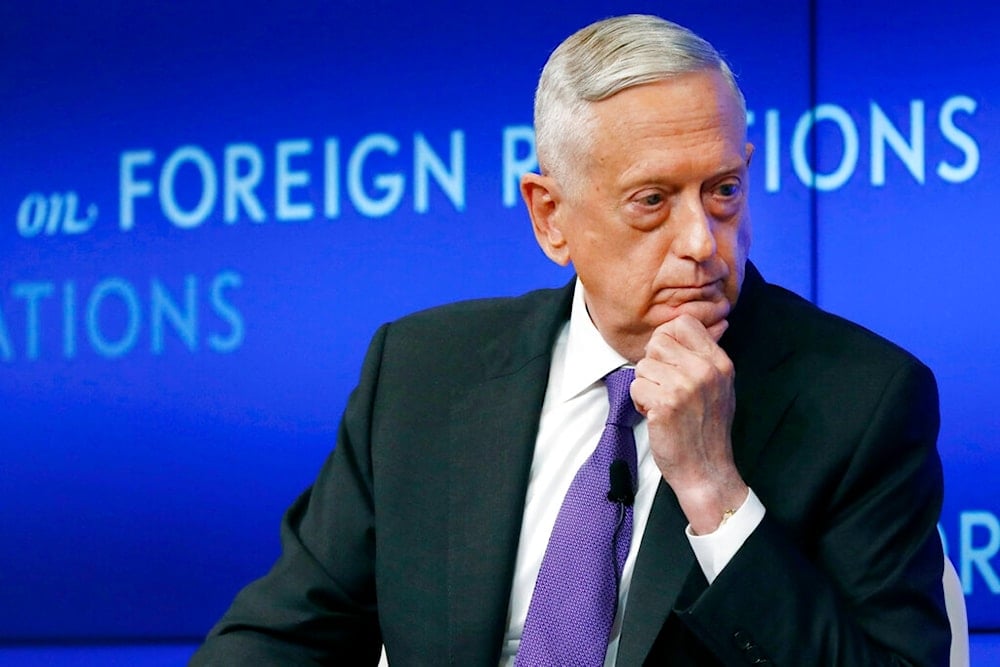
In this Sept. 3, 2019, file photo, former U.S. Secretary of Defense Jim Mattis listens to a question during his appearance at the Council on Foreign Relations in New York. (AP)
Former US Defense Secretary Jim Mattis says opening the Strait of Hormuz through military force would be highly difficult, urging a stronger role for diplomacy and allied cooperation amid rising tensions in the region.
Speaking at the CeraWeek energy conference, Mattis emphasized that securing the strategic waterway would require constant surveillance, including satellites and unmanned aerial systems operating around the clock. “You would need an unblinking eye in the sky… over a coastline much longer than Texas,” he said, stressing the scale and complexity of any military effort
US 'cannot walk away'
Mattis added that diplomatic engagement is essential to ending the war, noting: “At some point we’re going to need to get the diplomats involved… it will have to be done in three different ways: allies, allies, allies.”
However, he warned that a US retreat from the strait could embolden Iran, leaving Washington with limited options. “I don’t think we can just walk away from this and say we won,” he said, describing the situation as a difficult strategic dilemma.
He also cautioned that the ongoing war could carry domestic political consequences, warning of potential backlash at the ballot box as rising energy costs impact US households.
Mattis, a former four-star Marine Corps general, served in the first administration of US President Donald Trump before resigning in 2018 following policy disagreements over troop withdrawals.
Trump suddenly says deal with Iran 'close' amid Hormuz fiasco
US President Donald Trump said ongoing talks with Iran could lead to a breakthrough that may end the ongoing war, which he started alongside Israeli Prime Minister Benjamin Netanyahu, while stressing that no outcome is guaranteed and options remain open if talks fail.
Speaking to reporters, Trump described the discussions as “very, very strong” and said there were “major points of agreement,” adding that a successful deal could “end that problem, that conflict, and… end it very, very substantially.”
On regional implications, Trump said the Strait of Hormuz could reopen “very soon” if an agreement is finalized, highlighting the strategic importance of the waterway to global energy flows. However, he warned that failure in the talks would keep military options on the table, stating that the United States would “just keep bombing” if talks collapse.
The Iranian Foreign Ministry later denied that there were any ongoing talks with the US.


