New US policy links H-1B visa approval to censorship activity
 3 Min Read
The Trump administration directs enhanced vetting of H-1B applicants over ties to online censorship, citing concerns over free speech and tech sector roles.
-
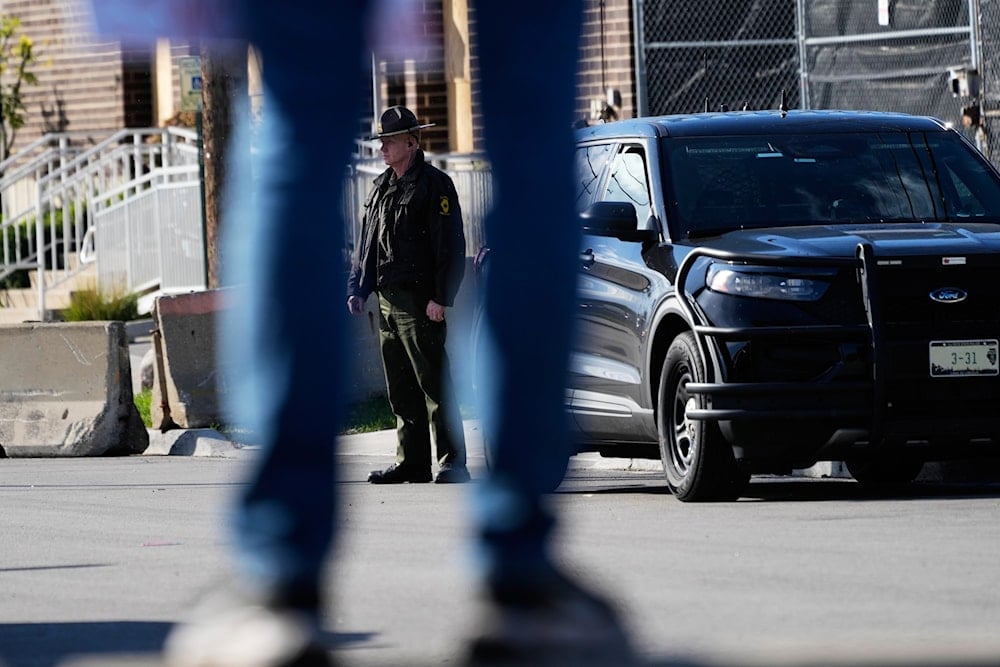
An Illinois State Police officer stands outside an ICE processing facility in the Chicago suburb of Broadview, Ill., on October 21, 2025. (AP Photo/Nam Y. Huh)
The Trump administration has introduced a new layer of scrutiny for H-1B visa applicants, directing consular officers to assess whether individuals applying for work visas were involved in online censorship activities. According to an internal State Department cable dated December 2, applicants found to have participated in "censorship or attempted censorship of protected expression" in the United States may be deemed ineligible under the Immigration and Nationality Act.
The new guidelines, which represent a significant shift in H-1B visa censorship vetting in 2025, apply not only to new applicants but also to those seeking visa renewals. H-1B visas are essential for US tech companies, particularly in sectors like social media and financial services, which frequently hire from countries such as India and China.
The State Department memo, sent to all US diplomatic missions, specifically targets applicants employed in fields associated with content moderation, misinformation, disinformation, compliance, fact-checking, and online safety. The directive also extends to family members accompanying applicants. "You must thoroughly explore their employment histories to ensure no participation in such activities," the cable reads. Officers are instructed to examine resumes and LinkedIn profiles for any signs of involvement in actions that could be interpreted as suppressing constitutionally protected speech in the United States.
Officials noted that the tech industry’s involvement in censorship visa restrictions warranted "heightened review," particularly for companies engaged in moderating or removing content on digital platforms.
Trump administration ties immigration policy to free speech
A State Department spokesperson stated: "We do not support aliens coming to the United States to work as censors muzzling Americans." While declining to comment on the leaked memo, the spokesperson emphasized that free speech and immigration policy are increasingly intertwined under the Trump administration’s foreign agenda.
"In the past, the President himself was the victim of this kind of abuse when social media companies locked his accounts. He does not want other Americans to suffer this way. Allowing foreigners to lead this type of censorship would both insult and injure the American people," the spokesperson added.
The move follows public criticism from Republican lawmakers, including Senator Marco Rubio, who earlier this year suggested visa bans for individuals who censor American speech, including through their work on international platforms.
The Trump administration's new H-1B policy is part of a wider foreign policy approach that has targeted alleged censorship practices abroad. US officials have repeatedly criticized European governments for what they describe as the suppression of right-wing political views, including criticisms of immigration.
Washington has particularly denounced speech regulations in France, Germany, and Romania, claiming such efforts are framed as disinformation control but function as political censorship. The administration’s approach signals a broader intent to link immigration vetting with ideological and content moderation concerns, especially in industries where tech sector foreign workers play key roles.


