
NYC faces largest-ever nurses strike over staffing and pay
 4 Min Read
Nearly 15,000 nurses in New York City are on strike, demanding safer staffing levels, better hospital security, and fair contracts.
-
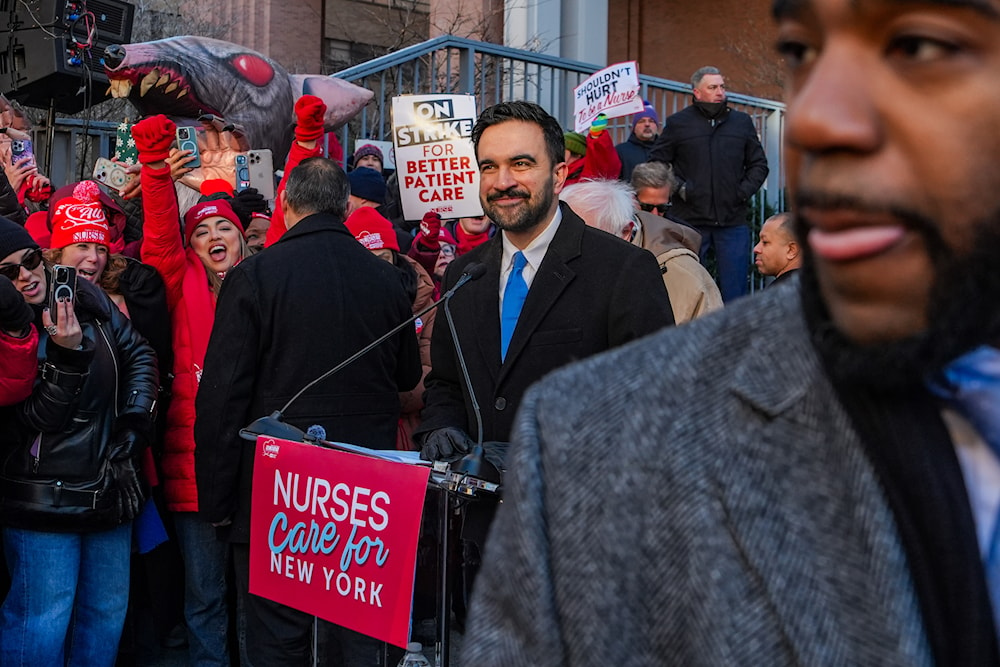
Mayor Zohran Mamdani speaks in front of members of the New York State Nurses Association union during a picket outside Mount Sinai West Hospital, on January 20, 2026, in New York. (AP Photo/Ryan Murphy)
Despite freezing temperatures, nearly 15,000 nurses across New York City have launched the largest nurses’ strike in the city’s history, walking off the job on January 12 to demand improved staffing levels, better hospital safety, and fairer contracts. Organized by the New York State Nurses Association (NYSNA), the strike spans three major hospital systems: Mount Sinai, Montefiore, and NewYork-Presbyterian.
With temperatures plunging below freezing, nurses have stood firm on picket lines, voicing growing frustrations over short staffing and unsafe working conditions. The union cites unsustainable workloads, rising incidents of workplace violence, and massive pay disparities between nurses and hospital executives as the reasons behind the strike.
At a rally outside Mount Sinai Hospital, New York City Mayor Zohran Mamdani and Senator Bernie Sanders joined the strikers in a show of solidarity. "The strike is an act of last resort. What workers want is to be back at work," Mamdani said. "This is about safe working conditions. This is about a fair contract. This is about dignity."
“The people of this country are sick and tired of the greed of the healthcare industry,” Sanders added. “Don’t tell me you can’t afford safe staffing when CEOs are making tens of millions a year.”
Political support grows as pressure builds on hospitals
As public attention intensifies, Mamdani and New York Governor Kathy Hochul have urged hospital management to return to the negotiating table. Talks between NYSNA and hospital representatives resumed on Thursday.
Nurses say they want to be back at the bedside, not outside in the cold. “Striking is a last resort,” said Cecilia Barreto, a nurse at Mount Sinai. “We want to care for our patients, but we need safe staffing and protection first.”
Hospitals, however, have pushed back. Mount Sinai labeled the union’s demands as “extreme,” while Montefiore called them “reckless.” Both claim their nurses already earn over $160,000 annually and that union proposals would significantly raise that figure in the coming years.
For many nurses, the core issue is not salary, but safety. NYSNA has pointed to recent violent incidents in hospitals, including one in November when a man allegedly threatened to “shoot up” Mount Sinai before being killed by police, and another in January involving a barricade and weapon threat in a Brooklyn hospital room.
“We are struggling, exhausted, and increasingly afraid to come to work,” said Aretha Morgan, a nurse at NewYork-Presbyterian with 34 years of experience. “We’re on strike because of the lack of safety. Staffing shortages and violence are our daily reality.”
Morgan criticized attempts by hospital leadership to portray nurses as unreasonable. “They are trying to tarnish our profession. But we are fighting for safe staffing, safe environments, and the resources needed to protect our patients.”
Hospitals push back
Hospital officials claim nurses already receive competitive pay, citing average salaries of $162,000 to $165,000. They argue that accepting NYSNA’s demands would raise those averages to over $220,000 in three years.
But striking nurses say the issue goes beyond compensation. Millions have been spent on hiring temporary replacement staff during the strike, money they argue could have gone toward improving working conditions and retaining experienced personnel.
“It’s incredibly disheartening,” said Barreto. “We don’t want to be out here. We want to be with our patients. But we also need to be safe and supported.”


