
Oil falls, stocks mixed as Trump extends Iran truce but keeps blockade
 4 Min Read
Oil prices dropped and global stock markets showed mixed performance on Wednesday as investors weighed the uncertain outlook for US-Iran peace talks.
-
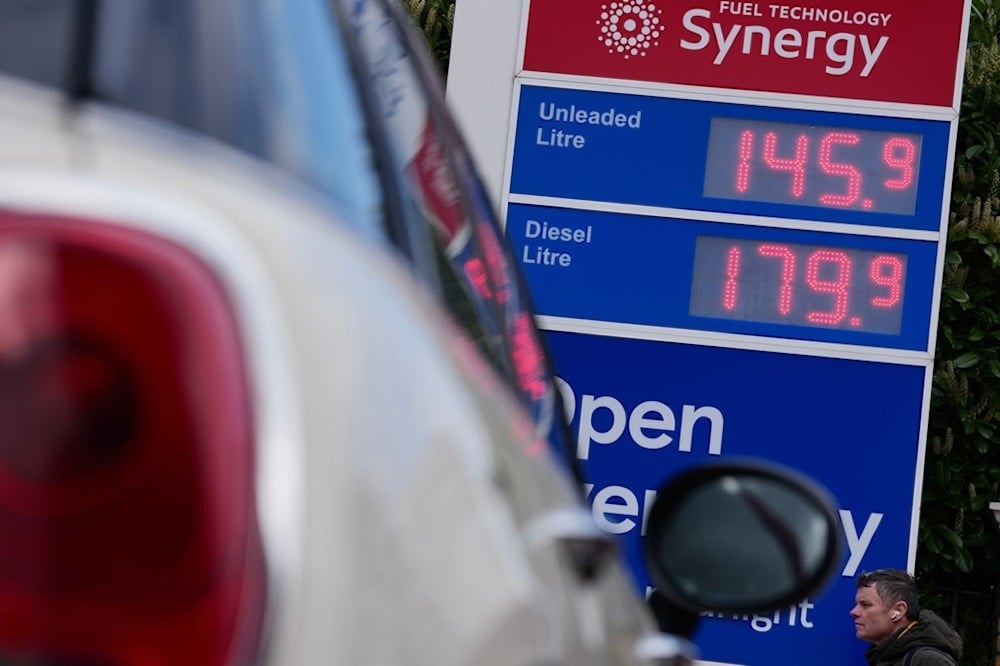
FILE - Prices are shown on a board at a gas station in London, England, Monday, March 30, 2026. (AP)
With the two-week truce in its final hours, the US president announced he would push the deadline back indefinitely following a request from Pakistan, which has been mediating between Washington and Tehran. Trump cited the need to give Iran's "fractured" leadership time to formulate a proposal.
Trump had previously indicated he would not extend the truce and had warned that he would resume bombing Iran when it expired. His reversal left traders searching for a clearer direction.
"I have directed our Military to continue the Blockade and, in all other respects, remain ready and able, and will therefore extend the Ceasefire until such time as their proposal is submitted," Trump wrote on social media.
Peace talks hang in balance as Iran refuses to attend
The fate of peace negotiations in Islamabad remained uncertain, with a White House official stating that Vice President JD Vance would not travel on Tuesday as previously planned, pending the submission of an Iranian proposal.
Tehran has refused to attend the talks due to what it describes as unreasonable US demands. Tasnim news agency reported that there is currently no prospect of Iranian officials participating.
Christopher Wong, a strategist at Oversea-Chinese Banking Corp, told AFP: "The US and Iran may be trying to shore up leverage and playing a game of who blinks first. Whatever the outcome, the suspense in the interim may see risk appetite being curtailed but when either side blinks, risk proxies could rally."
Oil prices fall after previous gains
Both main oil contracts dropped on Wednesday, having risen approximately three percent the previous day. The decision to extend the ceasefire without reopening the strait left traders uncertain about the direction of energy markets.
Fawad Razaqzada, an analyst at FOREX, wrote: "With markets surging amid optimism that the war is soon going to end, and the Hormuz Strait to open, markets are now more cautious. If there's no deal, I would imagine that oil prices could climb back above $100, which would likely invite pressure on equities."
Equity markets delivered mixed results following another down day on Wall Street. Hong Kong, Sydney, Singapore, Manila, Mumbai, and Jakarta all fell, while Tokyo, Shanghai, Seoul, Taipei, and Wellington posted gains.
London opened higher despite data showing UK inflation jumped to 3.3 percent last month as the US-Israeli war on Iran sent oil and gas prices surging across Europe.
Paris and Frankfurt also advanced in early trading.
Hormuz remains central point of contention
Traders have struggled to find direction this week after Tehran announced on Friday that it would allow ships through the Strait of Hormuz, which it had effectively closed since the war began on February 28. Iran pulled back from that position a day later, citing the US blockade and the seizure of a ship.
The developments have sent crude prices swinging wildly, though oil has held below $100 per barrel.
Equity markets have been less volatile due to lingering optimism that the two sides will eventually reach a deal to end the seven-week conflict that has disrupted the global economy.
Investors are also monitoring the confirmation hearing of Kevin Warsh, Trump's nominee to replace Federal Reserve Chairman Jerome Powell, whose term ends next month. Warsh insisted during his hearing that he would not be controlled by the president as he fielded questions about his assets and central bank independence.
The former Fed governor emphasized his commitment to ensuring that the conduct of monetary policy remains strictly independent, stating he would "absolutely not" be Trump's puppet.
Trump, since returning to office last year, has severely criticized Powell for not cutting interest rates more aggressively. He told CNBC on Tuesday that he would be disappointed if the new chair did not swiftly lower borrowing costs.
Read More: 'Hands on trigger': Iran warns against renewed US-Israeli aggression


