
Oman’s Grand Mufti hails Iran for submitting US to its conditions
 2 Min Read
Oman’s Grand Mufti Ahmed bin Hamad Al-Khalili condemns Israeli strikes on Lebanon, urging a unified Islamic response as the death toll surpasses 200.
-
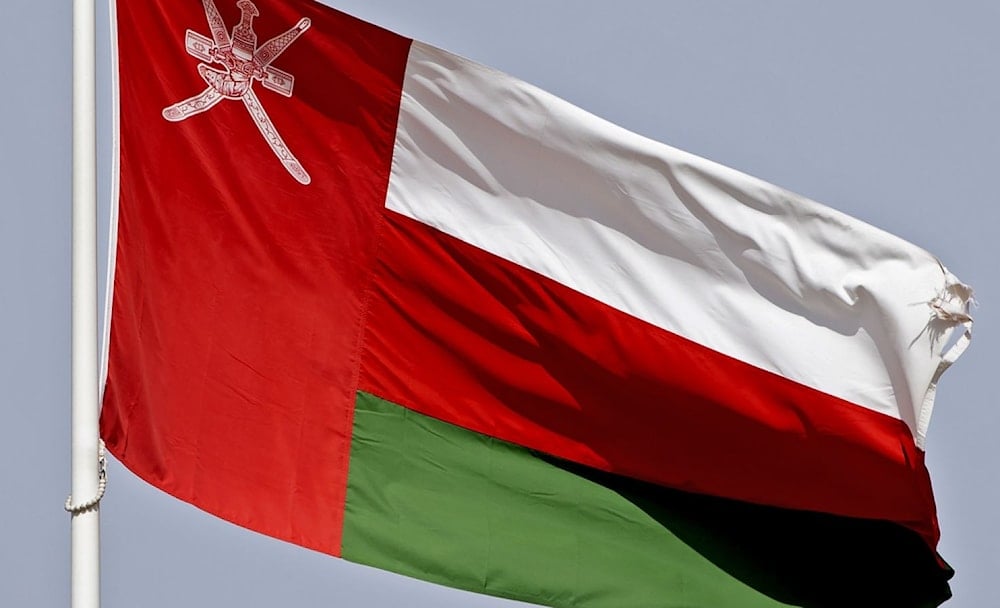
A photo shows the Omani national flag waving in Muscat, on September 15, 2020 (AFP)
Oman’s Grand Mufti Sheikh Ahmed bin Hamad al-Khalili strongly condemned the Israeli aggression on Lebanon, calling on the Islamic Ummah to take a unified stance against the treacherous assault.
In a post on the platform X, al-Khalili expressed initial relief over the recently announced two-week ceasefire agreement between Iran and the United States, noting that it had raised hopes for de-escalation in the region.
"We were comforted and pleased by the outcome of the agreement between the Islamic Republic of Iran and its allies and the United States and its allies, and we were pleased by the United States’ submission to all the conditions set by the other side,” the Grand Mufti of Oman underlined.
'Treacherous aggression' shocks region
Al-Khalili added that these hopes were quickly shattered by "Israel’s" escalation, saying, “But we had barely begun to feel the breeze of glad tidings when we were shocked by the treachery of the Zionist gang, with its aggression on Lebanon, which has claimed hundreds of martyrs and many more wounded.”
“This is the nature of this treacherous entity, inherited through generations; such traits are not surprising,” he added.
He called on the Islamic Ummah to “stand as one against this malicious treachery,” while also urging “all lovers of peace to support the oppressed and bring justice against the oppressors.”
Read more: Spain says 'Israel' violated Iran-US ceasefire with Lebanon strikes
Deadly Israeli strikes across Lebanon
The Mufti’s remarks come in the aftermath of a large-scale Israeli aggression on Lebanon on Wednesday, despite the announcement of a temporary ceasefire agreement involving Iran and the United States.
Israeli airstrikes targeted multiple areas across the country, including the capital, Beirut, its surroundings, southern Lebanon, the Bekaa, and Mount Lebanon. The attacks resulted in massacres that left at least 203 people killed and more than 1,000 others wounded, according to preliminary figures, including four soldiers from the Lebanese Army.
The escalation has drawn widespread condemnation, as regional figures warn that such actions undermine prospects for stability and expose the continued pattern of Israeli aggression in the region.
Read more: Qaani warns of punishment for perpetrators of brutality in Lebanon


