
Pakistan says Lebanon's PM seeks support for immediate end to attacks
 3 Min Read
Shehbaz Sharif and Nawaf Salam discuss Israeli aggression on Lebanon in a phone call, stressing ceasefire efforts and continued diplomatic coordination.
-
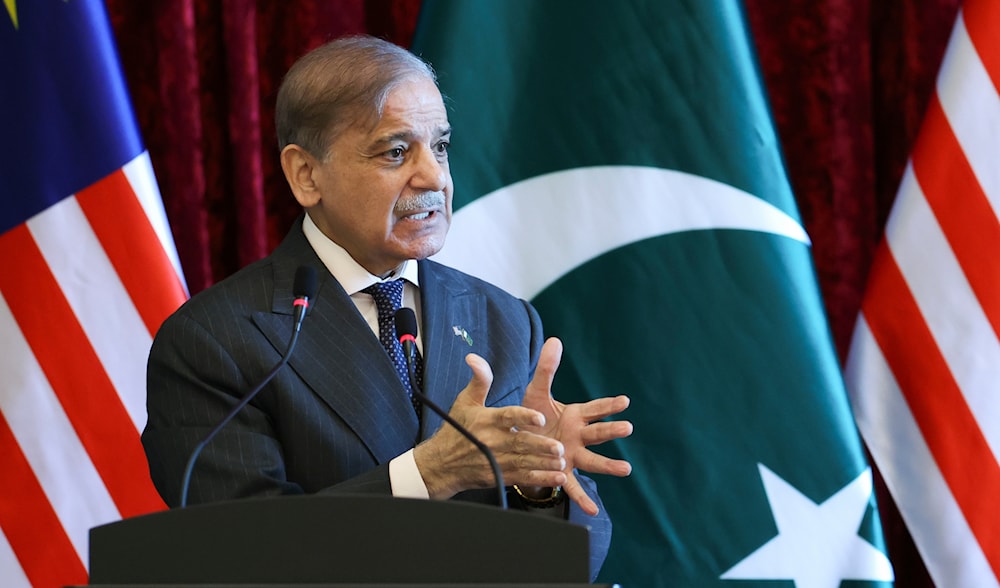
Pakistan's Prime Minister Shehbaz Sharif speaks during a news conference with Malaysia's Prime Minister Anwar Ibrahim during Sharif's visit in Putrajaya, Malaysia, Oct. 6, 2025 (AP)
Pakistani Prime Minister Mohammad Shahbaz Sharif and Lebanese Prime Minister Nawaf Salam held a phone call on Friday, discussing the ongoing Israeli aggression against Lebanon and coordinating efforts for the protection of civilians.
The call saw Sharif strongly condemn the ongoing Israeli attacks on Lebanon and offer his condolences for the lives lost due to the hostilities.
According to a post on X by PM Sharif, Prime Minister Salam thanked the Pakistani PM for his country's efforts toward peace and called for Pakistan’s support in ensuring an immediate halt to attacks targeting Lebanon and its people. Both leaders agreed to maintain ongoing communication.
Islamabad: 9 April, 2026
— Prime Minister's Office (@PakPMO) April 9, 2026
Telephone Call between the Prime Minister and the Prime Minister of Lebanon.
Prime Minister Muhammad Shehbaz Sharif held a telephone conversation with H.E. Nawaf Salam, Prime Minister of Lebanon earlier this afternoon.
The Prime Minister strongly… pic.twitter.com/O2pj5b8T5b
The Lebanese National News Agency reported that Salam also praised Shahbaz Sharif’s prior initiatives, which had contributed to a ceasefire, and requested confirmation "that the ceasefire must include Lebanon, to prevent the recurrence of Israeli attacks that the country witnessed yesterday."
Meanwhile, Pakistan’s Foreign Ministry stated that Deputy Prime Minister and Foreign Minister Ishaq Dar met with Saudi Foreign Minister Prince Faisal bin Farhan to discuss developments in the regional situation. Both officials emphasized the importance of continued diplomatic dialogue and expressed appreciation for Saudi Arabia’s support in Pakistan’s peace efforts.
Pakistan's role in current ceasefire
On April 7, the United States and Iran agreed to a two‑week ceasefire after intensive mediation led by Mohammad Shahbaz Sharif and Pakistani military officials, marking a diplomatic breakthrough following weeks of war.
On April 8, Islamabad publicly announced that the ceasefire agreed between Washington and Tehran would apply “everywhere,” including Lebanon, and invited US and Iranian delegations to further negotiations scheduled for April 10 in Pakistan. Also on April 8, Pakistan warned that continued hostilities, such as Israeli strikes in Lebanon, risked undermining the ceasefire and the broader peace process between the United States and Iran.
Iran’s diplomatic outreach on April 8 included discussions between Iranian officials and Pakistani leadership to address violations of the ceasefire, including Israeli actions against Lebanon that Tehran said threatened the agreement.
On April 9, regional reporting confirmed that Israeli aggression on Lebanon was contributing to tensions around the ceasefire’s scope, with Islamabad emphasizing the need for all parties to respect the agreed pause in fighting to maintain momentum toward further talks.


