
Pezeshkian congratulates Lula, calls for stronger Iran-Brazil ties
 2 Min Read
Iranian President Masoud Pezeshkian congratulates Brazil’s Lula da Silva on his election victory and calls for expanded cooperation between Tehran and Brasilia.
-
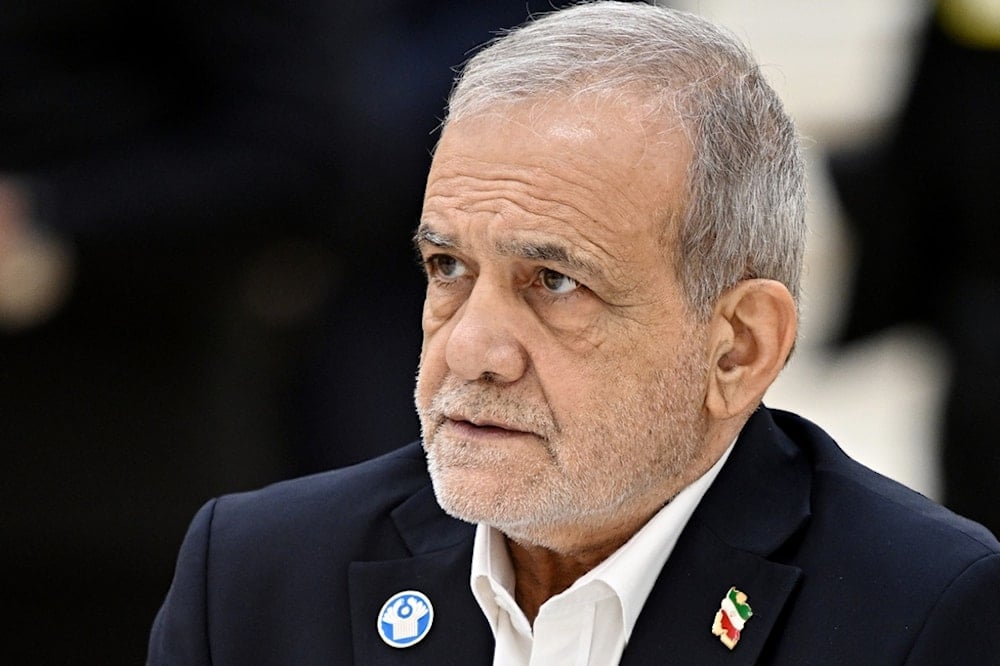
Iran's President Masoud Pezeshkian attends the Commonwealth of Independent States (CIS) summit in Turkmenbashi, Turkmenistan, Friday, Oct. 9, 2026. (Sergei Bobylev/Sputnik, Kremlin Pool Photo via AP)
Iranian President Masoud Pezeshkian congratulated Brazilian President Luiz Inácio Lula da Silva on his election victory, expressing hope for stronger relations and expanded cooperation between Tehran and Brasília.
In a message issued on Monday, Pezeshkian said he hoped friendly relations between Iran and Brazil would continue to develop, with closer cooperation between the two countries.
According to official results on Sunday, Lula da Silva won approximately 51.8% of the vote, defeating Bolsonaro, who received 48.2%.
Lula’s victory kept Brazil among the few progressive-led governments in Latin America, as Argentina, Chile, and Colombia shifted to the right. These countries have received support from US President Donald Trump.
Read more: Brazil's Lula wins fourth term after defeating Flavio Bolsonaro
Lula pledges changes to governance
After his victory, Lula pledged to change how Brazil is governed and increase public participation in decision-making.
He also pointed to the defeat of foreign interference through digital platforms, outlining his intention to strengthen popular involvement in the country’s political process.
Lula argued that Brazilian voters faced a choice over the country's independence and accused his opponent of seeking to govern under US influence.
Voters, he said, must "choose a country where the flag is respected," adding that his rival wanted to "govern with the American flag."
The vote was disrupted by a last-minute Supreme Court ruling that extended voting hours by two hours after Lula requested the measure, as he argued that buses had been taken out of circulation in several cities and prevented some voters from reaching polling stations.


