
Russia issues nuclear warning to NATO over Kaliningrad
 3 Min Read
Russia warns NATO that any attempt to isolate Kaliningrad could trigger nuclear escalation, as military tensions intensify across the Baltic region.
-
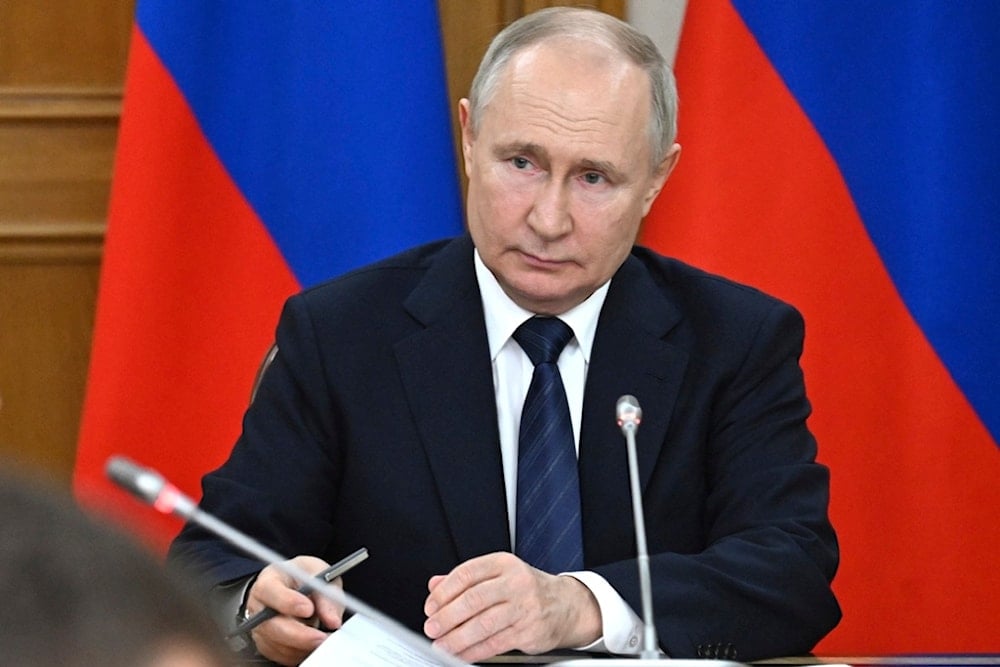
Russian President Vladimir Putin attends a meeting on social and economic development of Kaliningrad Provice at the building of the regional government in Kaliningrad, Russia, Jan. 25, 2024. (Pavel Bednyakov, Sputnik, Kremlin Pool Photo via AP)
Russia has warned NATO that any attempt to isolate Kaliningrad from the rest of the country could trigger the use of nuclear weapons, escalating tensions between Moscow and the Western military alliance in the Baltic region.
In a diplomatic document sent to NATO and seen by Reuters, Moscow accused the alliance of pursuing a "dangerous and reckless course" that carries "high risks of the outbreak of a direct armed conflict." The document also warned that a confrontation could involve Russian strikes against NATO decision-making centers from the outset.
"Russia will be ready to use the entire arsenal of forces and capabilities at its disposal, including nuclear weapons, in order to defend its territory should NATO countries undertake any attempt aimed at isolating the Kaliningrad Region from the rest of the country," the document said.
Kaliningrad is a heavily militarized Russian exclave on the Baltic Sea, situated between NATO members Poland and Lithuania. Its geographical isolation from mainland Russia has made it a longstanding flashpoint in relations between Moscow and NATO.
Read more: Pope Leo: Wars no longer make sense, Russia and Ukraine must talk
NATO rejects Russian warning
NATO confirmed receiving the Russian diplomatic note and rejected Moscow's characterization of its military activities as threatening.
"We have sent a response, noting that NATO is a defensive Alliance and none of our activities or exercises pose a risk to any part of Russia," NATO spokesperson Allison Hart said.
"We strongly denounce the threat of force, including any irresponsible nuclear rhetoric. We call on Russia to end its unprovoked war in Ukraine," she added.
Moscow, however, has repeatedly rejected Western claims that it is preparing to attack NATO members. Russian embassies in at least three European countries have issued statements accusing the alliance of escalating tensions through military exercises and scenarios involving Kaliningrad.
Kremlin spokesperson Dmitry Peskov described the warnings as diplomatic reminders directed at "hotheads in Europe."
Baltic tensions raise risk of miscalculation
The latest exchange comes amid an increasingly militarized confrontation across the Baltic region.
Western governments have expanded military support for Ukraine, imposed additional sanctions on Moscow and increased military exercises and intelligence activity near Russian territory. Moscow has interpreted these measures as part of a broader escalation that could eventually threaten Kaliningrad.
Nikolai Sokov, a nuclear analyst and former Russian diplomat, told Reuters that continued Western support for Ukraine was making it increasingly difficult to avoid direct confrontation with Moscow.
"They (Russia) expect more action, including a blockade of the Baltic Sea - just below the level of war in European calculation, but for them this will be open war. I see a risk of mutual miscalculation," Sokov said.
His assessment highlights the central danger surrounding Kaliningrad: actions that one side regards as deterrence or pressure could be interpreted by the other as preparation for military confrontation.
A senior European defense official called the Russian warning serious, saying it represented the first such threat from Moscow since the Cold War.
Read more: Russian forces strike dry cargo ship carrying military cargo to Odessa


