
Somalia terminates all agreements with UAE, including port deals
 4 Min Read
Somalia has ended all agreements with the UAE, including port, security, and defense deals, citing actions that undermine its sovereignty and unity.
-
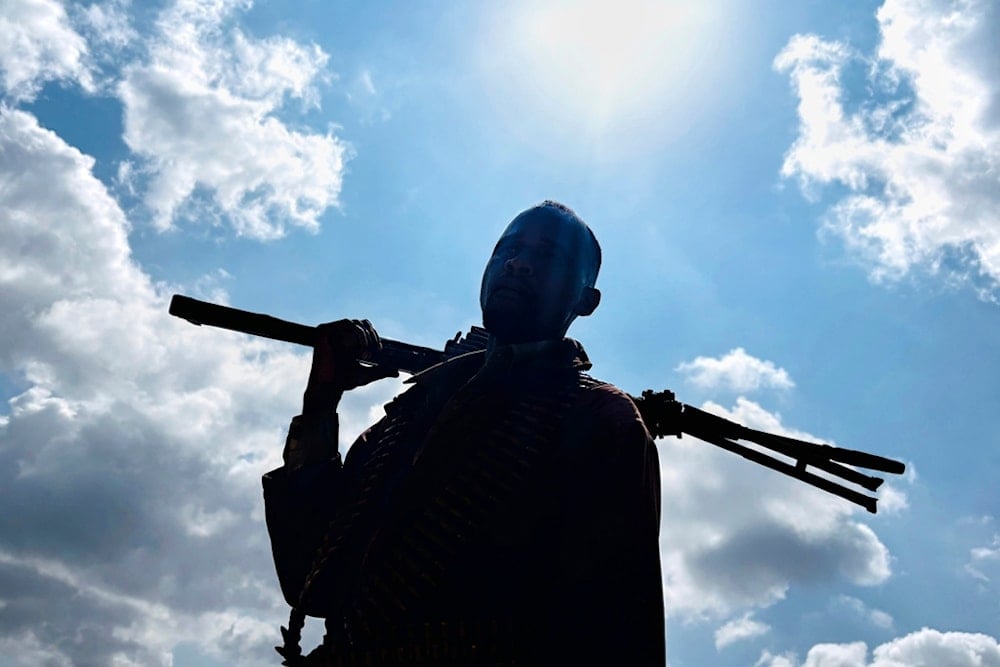
Somali National Army (SNA) soldier carries a weapon on the frontline in Sabiid Canole, Somalia, Tuesday, November 11, 2025 (AP)
Somalia’s Council of Ministers has terminated all agreements with the United Arab Emirates, including those involving government agencies, affiliated entities, and regional administrations within the Federal Republic of Somalia, the Somali National News Agency reported.
According to the Somali government, the decision applies to all forms of cooperation and agreements related to the ports of Berbera, Bosaso, and Kismayo. The cabinet also annulled all existing bilateral agreements with the United Arab Emirates, including security and defense cooperation arrangements.
The Somali news agency said the move followed what it described as strong reports and evidence of “malicious actions” that undermine Somalia’s sovereignty, national unity, and political independence.
UAE violating Somalia's sovereignty
The statement said such actions violate the principles of sovereignty, non-interference, and respect for constitutional order, as enshrined in the charters of the United Nations, the African Union, the Organization of Islamic Cooperation, and the Arab League, to which Somalia is a party.
The government added that the measures also reflect the will of the Somali people, who it said have rejected actions threatening the country’s independence and unity.
Under the decision, Somalia’s foreign ministry has been instructed to formally notify the UAE of the cancellations and coordinate on their implementation. The ministry is also tasked with informing international and regional partners, including the African Union and the United Nations, while reaffirming Somalia’s sovereign rights and constitutional authority.
Somalia, Somaliland, in the limelight
This comes as Somalia and Somaliland take center stage in the global landscape, after "Israel" unilaterally announced its recognition of Somaliland, joining only 32 countries that have previously recognized the territory as a state.
On December 26, “Israel” formally recognized the Republic of Somaliland as an independent and sovereign state after a joint declaration was signed by Prime Minister Benjamin Netanyahu, Foreign Minister Gideon Sa'ar, and Somaliland President Abdirahman Mohamed Abdallah.
The announcement was issued by the Prime Minister’s Office, which said the declaration reflects the spirit of the regional normalization agreements known as the Abraham Accords, signed under the initiative of US President Donald Trump.
Netanyahu's move triggered a wave of backlash from regional and international players, including Somalia, Egypt, Turkiye, Yemen, and the Arab League. In a statement posted on X, the Somalian President Hassan Sheikh Mohamud said the step violates international law and contravenes established diplomatic and legal norms, stressing that any interference in Somalia’s internal affairs is unacceptable. He reaffirmed that the Somali people and their nation remain united, indivisible, and cannot be fragmented by external actions.
Trump dismisses Somaliland recognition
Even US President Donald Trump dismissed the idea of recognizing Somaliland during an interview with the New York Post; however, despite this rejection, Israeli media have revealed that "Israel's" recognition connects to Trump's plans to turn Gaza into the "Riviera of the Middle East".
Israeli expert on American affairs Eido Dambin said on December 27 in remarks to iNEWS24 that Somaliland has been floated as a possible location to host Gaza residents under the so-called Gaza Riviera plan unveiled by Trump more than six months ago.
Dambin said he does not expect any swift implementation of the plan in light of the current ceasefire, while suggesting that Prime Minister Benjamin Netanyahu’s recognition of Somaliland could function as a symbolic step, indicating “Israel’s” readiness to consider such options, even through acknowledging a territory that no other state recognizes.


