
Sovereignty over Hormuz, war compensation Iran's key rights: Iran VP
 3 Min Read
Vice President Mohammad Reza Aref reiterates Tehran’s full sovereignty over the Strait of Hormuz, highlights national unity as key strength, and emphasizes continued pursuit of national rights and war compensation.
-
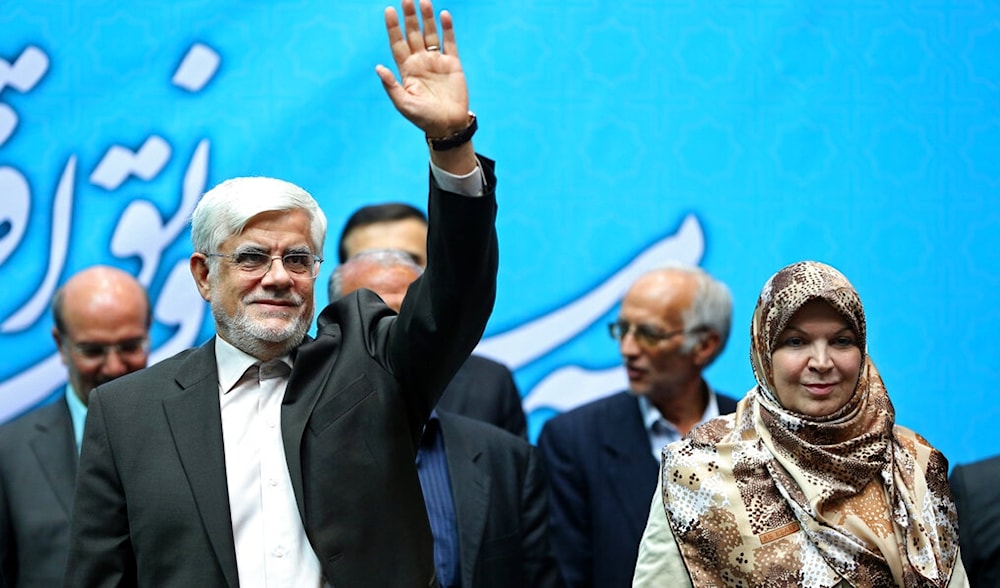
Iran's Vice President Mohammad Reza Aref, waves to the crowd as he is accompanied by his wife while arriving to a campaign rally in Tehran, Iran, Saturday, Feb. 20, 2016 (AP)
Iran’s Vice President Mohammad Reza Aref affirmed on Sunday the Islamic Republic’s full sovereignty over the Strait of Hormuz, describing it as a fundamental guarantee of the Iranian people’s rights, particularly in relation to discussions surrounding war compensation claims.
Aref stressed that Iran maintains full sovereignty over the Strait of Hormuz, emphasizing the strategic and legal importance of this position in safeguarding national interests and protecting the rights of its people.
The Iranian Vice President highlighted that national unity represents the “true capital” of the country and serves as the essential foundation for restoring and securing all national rights, underscoring that internal cohesion remains a decisive factor in strengthening the state’s position.
Aref pointed to Iran’s consistent policy of defending and preserving its national capabilities and resources, which aligns with the broader objective of building a “strong Iran.”
The Vice President concluded by reaffirming Tehran’s continued commitment to safeguarding the rights of the Iranian people, stressing that this stance remains unchanged and central to the country’s policy direction.
رهبر معظم انقلاب از «ذوب شدن یخها میان اقشار» گفتند. دولت دفاع و سازندگی با اتمام عزای عمومی، این وحدت را سرمایه پیشرفت و استیفای حقوق ملت میداند. از اقتدار در تنگه هرمز تا پیگیری غرامت، بر سر حق مردم ایستادهایم؛ این عهد ما برای ایران قوی است.
— محمدرضا عارف (@ir_aref) April 12, 2026
Ghalibaf: US must decide if it can earn Iran’s trust
His remarks come after 21 hours of intensive talks mediated by Pakistan failed to produce a breakthrough, with both sides remaining far apart on key issues, including Iran’s right to uranium enrichment, the future of its nuclear stockpile, and broader regional questions.
Iran's Parliament Speaker Mohammad Bagher Ghalibaf and chief negotiator, following the conclusion of the talks, said said Iran had entered the negotiations with “good faith and will," but emphasized that a lack of trust, shaped by the experience of two previous wars on Iran, remains a central obstacle.
“My colleagues… raised forward-looking initiatives, but the opposing side ultimately failed to gain the trust of the Iranian delegation in this round of negotiations,” he said.
۱/پیش از مذاکرات تأکید کردم که ما حسن نیت و ارادهٔ لازم را داریم ولی به دلیل تجربیات دو جنگ قبلی، اعتمادی به طرف مقابل نداریم.
— محمدباقر قالیباف | MB Ghalibaf (@mb_ghalibaf) April 12, 2026
همکاران من در هیئت ایرانی میناب۱۶۸ ابتکارات رو به جلویی مطرح کردند ولی طرف مقابل در نهایت نتوانست در این دور از مذاکرات اعتماد هیئت ایرانی را جلب کند.
He asserted that the United States had come to understand Iran’s “logic and principles," but stressed that the burden now lies on Washington to demonstrate whether it can translate that understanding into trust-building measures.
The Iranian official framed diplomacy as part of a broader national strategy, describing negotiations as “another method of authority diplomacy, alongside military struggle,” aimed at safeguarding the rights of the Iranian nation.
Read more: Diplomats slam US negotiators' performance in Iran talks


