
Trump’s Iran tariff threat risks reopening US-China trade tensions
 3 Min Read
Trump’s threat to impose 25% tariffs on countries trading with Iran risks reigniting US-China tensions, with Beijing warning against escalation.
-
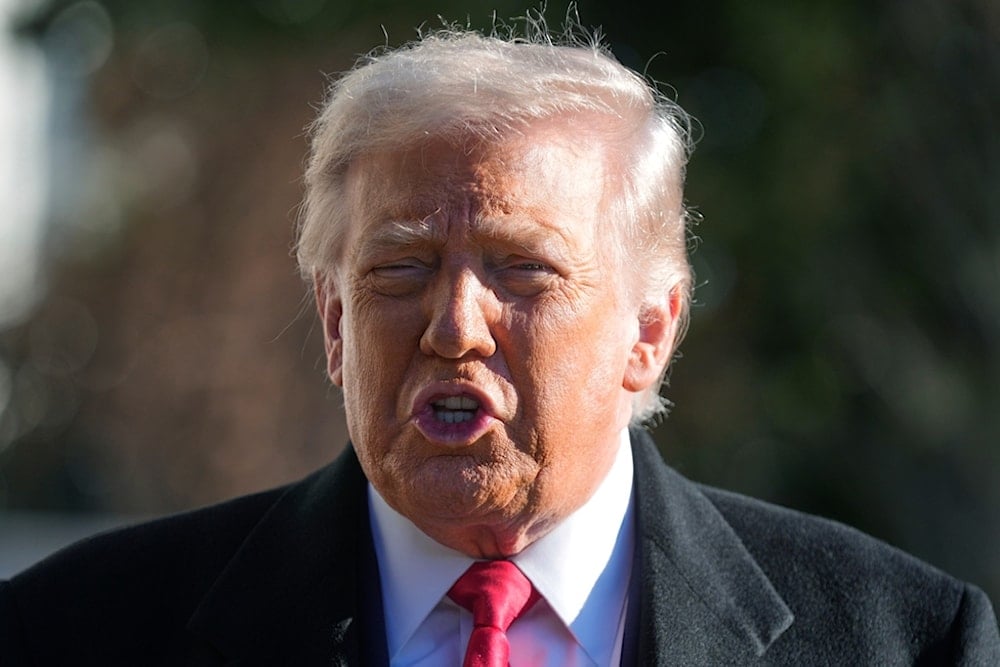
US President Donald Trump speaks to reporters before boarding Marine One, Tuesday, January 13, 2026, in Washington (AP)
US President Donald Trump’s threat to impose 25% tariffs on countries that conduct trade with Iran risks reigniting long-standing tensions with China, Tehran’s largest commercial partner, posing a direct challenge to Beijing’s global standing and its pledge to defend its trade interests, according to a report by Reuters.
Iran was among the most contentious issues in US-China relations during Trump’s first term, when Washington sharply escalated sanctions on Tehran and targeted Chinese technology giant Huawei, culminating in the detention of the founder’s daughter in Canada and a bitter exchange of diplomatic accusations.
With Iran again in focus, a new 25% tariff could effectively push cumulative US duties on Chinese shipments above 70%, compared with 57.5% prior to a temporary de-escalation agreement reached last October. Trump, however, has not explicitly named China, leaving the scope and targets of the proposed tariffs unclear.
Tariff threat under scrutiny
The White House has yet to release any formal documentation outlining the tariff measures, their legal basis, or whether they would apply to all of Iran’s trading partners. China has opposed what it describes as “unilateral” sanctions, calling them illegitimate and beyond international legal frameworks, according to a spokesperson for Beijing’s embassy in Washington.
Trump has previously issued sweeping foreign policy threats that were not always followed by concrete action. Wang Jin, a researcher at the Beijing Club for International Dialogue, said China is being used rhetorically to mask renewed US pressure on Iran, arguing that Beijing’s economic engagement with Tehran is often overstated.
Chinese customs data show that Beijing has sharply reduced imports from Iran in recent years as companies grow more cautious about US sanctions. Imports totalled just $2.9 billion between January and November 2025, down from a peak of $21 billion in 2018. Analysts close to Chinese policy circles say economic ties remain largely limited to oil, with political coordination exceeding actual trade depth.
China voices support for Iran
China reaffirmed on Monday its opposition to foreign interference in other countries following US President Donald Trump’s warning of possible military action if Tehran targeted rioters.
“We always oppose interference in other countries’ internal affairs,” Foreign Ministry spokeswoman Mao Ning told a regular news conference when asked about Trump’s comments.
She also called for restraint and stability in the region. “We call on all parties to do more things conducive to peace and stability in the Middle East,” Mao added.
Mao's statements follow Trump’s warning that the United States would launch unprecedented strikes against Iran if Tehran were to target American military or commercial sites.
"If they do that, we will hit them at levels that they have never been hit before, and they won't even believe it. I have options, and they are so strong," Trump told reporters on Friday.


