
'We don't want to waste fuel on a B-2': Trump warns Iran
 4 Min Read
After meeting Benjamin Netanyahu, Donald Trump warned Iran against rebuilding its weapons programs and urged Hamas to disarm, as talks progress on the Gaza ceasefire deal.
-
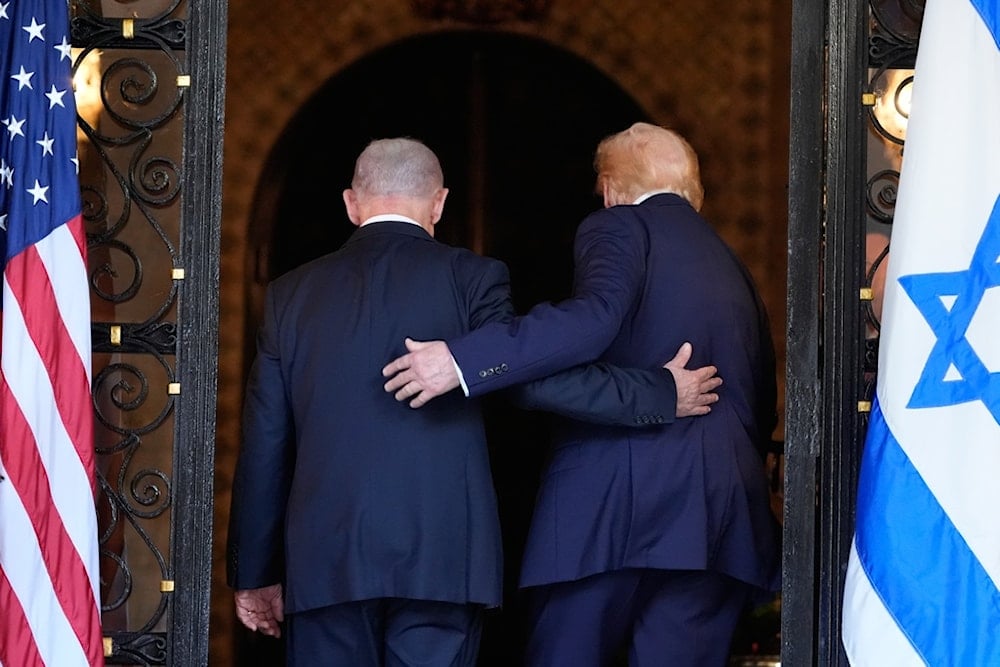
US President Donald Trump and Israel's Prime Minister Benjamin Netanyahu walk into Trump's Mar-a-Lago club, Monday, December 29, 2025, in Palm Beach, Fla., after an arrival greeting. (AP Photo/Alex Brandon)
US President Donald Trump warned of a potential strike on Iran and urged Hamas to disarm following a meeting with Israeli Prime Minister Benjamin Netanyahu at his Mar-a-Lago estate in Florida.
Trump indicated that Tehran may be reviving its ballistic missile or nuclear weapons programs, despite a major US strike in June. “I've been reading that they're building up weapons and other things, and if they are, they're not using the sites we obliterated, but possibly different sites,” Trump told reporters during a press conference.
“We know exactly where they're going, what they're doing, and I hope they're not doing it because we don't want to waste fuel on a B-2,” he added. “It's a 37-hour trip both ways. I don't want to waste a lot of fuel.”
Political advisor to the Leader of the Islamic Republic of Iran, Ali Shamkhani, stated after Trump's comments that any act of aggression against Iran would be met with "a harsh and immediate response, one that may go beyond the calculations and expectations of those behind it."
The president, who has floated a potential new nuclear deal with Tehran, said his discussions with Netanyahu also addressed the Gaza ceasefire deal and Israeli concerns about Iran and Hezbollah.
Iran, which fought a 12-day war with "Israel" in June, conducted missile exercises for the second time this month, according to Iranian officials. Netanyahu acknowledged awareness of these reports and said he would bring them up with Trump.
Read more: Is US faking a rift with Israeli regime to enable new attacks on Iran?
US pressure on Hamas amid Gaza ceasefire talks
Trump expressed a desire to move forward with the second phase of the Gaza ceasefire deal, reached in October following two years of fighting. The next phase would involve deploying international peacekeeping forces in the Palestinian enclave.
Despite the agreement, tensions remain. "Israel" and Hamas continue to accuse each other of breaching the deal, while Israeli forces remain in control of nearly half of Gaza.
Hamas, which refuses to disarm, has been reinforcing its control on the ground. "There will be hell to pay," Trump warned when asked what action he would take if Hamas did not lay down its arms. He claimed that "Israel" had met its obligations, while Hamas had not.
Netanyahu traveled to Florida at Trump's invitation, as Washington continues to push for transitional governance in Gaza. A UN Security Council resolution supports the second phase of the ceasefire plan passed on November 17.
Gaza ceasefire plan faces key obstacles
Trump’s plan calls for "Israel" to eventually withdraw from Gaza and for Hamas to surrender its weapons and political control.
The first phase of the agreement saw a partial Israeli withdrawal, increased humanitarian aid, and the exchange of hostages and Palestinian detainees. However, a top Israeli official close to Netanyahu stated that further progress hinges on the return of the remains of the last Israeli hostage, Ran Gvili, from Gaza. His family accompanied Netanyahu to the US.
"Israel" has also withheld opening the Rafah crossing with Egypt, another key part of Trump’s plan, pending the return of Gvili’s remains.
Trump noted there were still disagreements between him and Netanyahu over the Israeli-occupied West Bank, but did not elaborate.
Read more: Hamas: Ready for Gaza deal phase two if 'Israel' stops violations
Regional security: Turkey and Syria discussed
Ahead of the meeting, Trump revealed he would discuss the possible deployment of Turkish peacekeepers in Gaza with Netanyahu. The suggestion remains controversial, given strained Israeli-Turkish relations.
Though the ceasefire officially took effect in October, sporadic violence continues. According to Gaza health officials, over 400 Palestinians, mostly civilians, have been killed by Israeli strikes. In contrast, three Israeli soldiers have been killed by Palestinian fighters.
Netanyahu emphasized his government's interest in maintaining stability along the Syrian border. Trump echoed this sentiment and expressed optimism about "Israel" eventually cooperating with Syrian Interim President Ahmad al-Sharaa, who assumed power after Bashar al-Assad was deposed last year. "Israel" remains wary, citing al-Sharaa’s ties to al-Qaeda, and previously bombed government buildings in Damascus in July.


