
UN backs Cuba amid fuel crisis as US tariffs threaten supplies
 3 Min Read
The United Nations is supporting Cuba’s efforts to manage a worsening fuel crisis, intensified by US sanctions threatening oil supplies from key allies like Mexico.
-
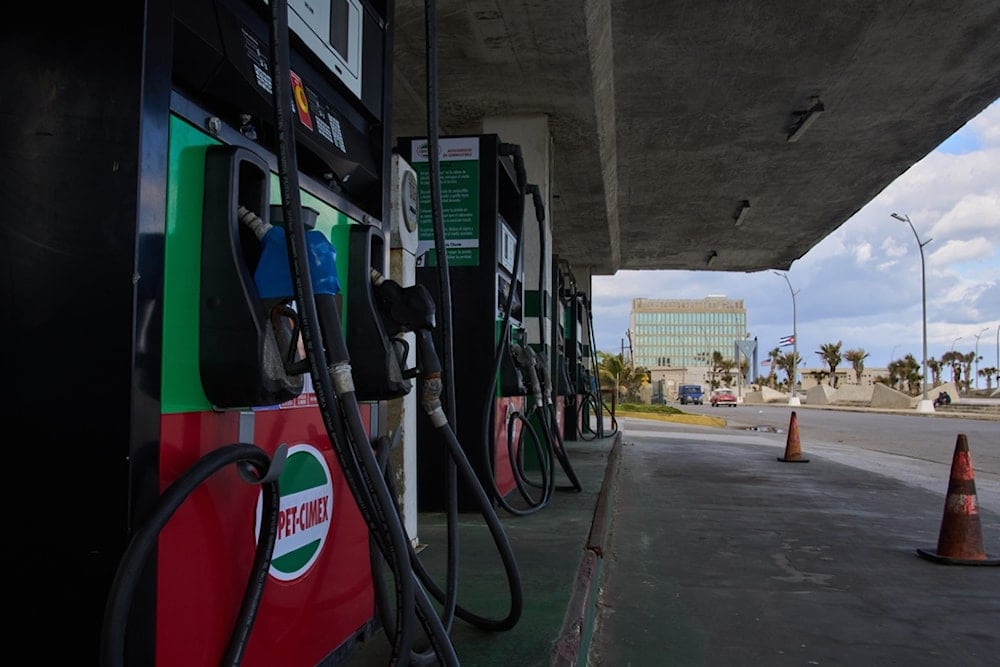
A gas station that has run out of fuel is located near the U.S embassy, pictured in background, Havana, Cuba, Saturday, Feb. 7, 2026 (AP)
The United Nations is coordinating closely with the Cuban government to help address a worsening fuel shortage that is straining the island’s economy and humanitarian needs, UN spokesperson Stéphane Dujarric said on Tuesday.
Dujarric told reporters that while fuel scarcity affects UN mobility and its capacity to deliver aid, the focus remains on supporting the Cuban authorities’ own plan of action to manage the crisis.
“Our main focus, not so much on us, but on working with the government, the plan of action they’ve put forward, to try to support their efforts,” Dujarric said.
Mexico warns US oil tariffs could “strangle” Cuba’s economy
The fuel crisis in Cuba has worsened amid growing regional tensions triggered by US policy.
On January 29, US President Donald Trump signed an executive order authorizing the imposition of import duties on goods from countries that sell or supply oil to Cuba, along with a declaration of a national emergency citing a security threat linked to Havana.
The US move has had immediate consequences on Cuba’s fuel supply. Mexico, which had become one of Cuba’s largest fuel suppliers, especially after a shortfall in Venezuelan exports, halted oil shipments over fears of US trade penalties.
Mexican President Claudia Sheinbaum publicly denounced the US sanctions, saying that punitive measures against countries exporting oil to Cuba threaten to “strangle” the island’s fragile economy and deepen its humanitarian crisis.
“This sanction being imposed on countries that sell oil to Cuba is very unfair... sanctions that harm the people are not right,” Sheinbaum told reporters, emphasizing the humanitarian implications of such economic coercion.
Mexico has sought diplomatic avenues to continue supporting Cuba without incurring US sanctions, balancing solidarity with Havana against safeguarding its own economic stability. Although Mexico’s state‑owned oil company Pemex paused planned shipments to Cuba, Sheinbaum said her government remains committed to helping the Cuban people and exploring ways to restore energy exports.
Wider regional reactions and humanitarian impacts
The threats of tariffs and pressure on Cuba’s oil partners have drawn criticism from other governments.
Venezuela’s foreign ministry condemned the US directive as a hostile act aimed at isolating Cuba economically, particularly after Washington took control of Venezuela’s oil industry following recent political upheaval in Caracas.
Cuba’s long‑standing energy challenges have been exacerbated by the loss of Venezuelan fuel supplies, forcing several weeks of jet fuel shortages and posing broader economic and social hardships.
In response, Mexico has dispatched humanitarian aid ships loaded with essential supplies to help alleviate the suffering caused by the energy crisis.


