
UN rights chief Volker Turk slams new EU migrant return rules
 3 Min Read
UN rights chief Volker Turk warns the EU's new return regulation risks serious rights violations, including detention and deportation of children.
-
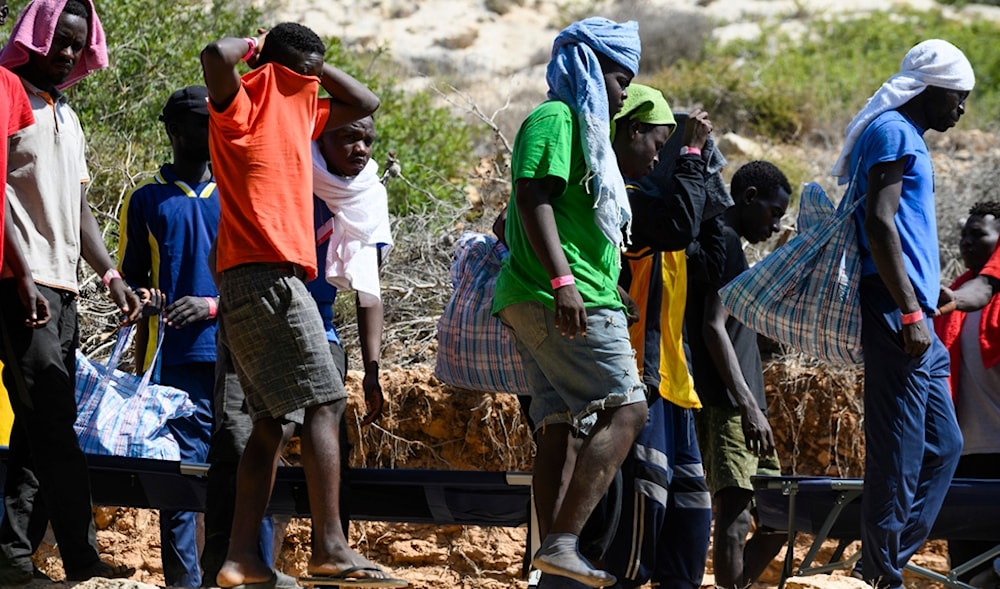
Migrants walk in Lampedusa Island, Italy, Friday, September 15, 2023. (AP Photo/Valeria Ferraro, File)
The United Nations' top human rights official said Saturday he is deeply troubled by new European Union migration rules that grant authorities sweeping detention powers and allow the creation of deportation facilities beyond the bloc's borders.
UN High Commissioner for Human Rights Volker Turk said in a statement that the EU and its member states must guarantee the new framework fully complies with international human rights and refugee law.
He stressed that European governments "cannot simply outsource their human rights obligations to third states," warning that detaining and removing vulnerable people, including children, is a particularly sensitive exercise of state power carrying a high risk of violations.
Turk invoked the principle of non-refoulement, the legal guarantee that no person should be sent to a country where they face serious harm, insisting it must be fully respected "by all countries and all territories under all circumstances."
He called for individualized assessments before any deportation and said removals should not proceed before appeals are resolved. He also urged that public discourse on migration stay grounded in fact rather than conflate migration with security concerns.
What the new rules allow
The European Parliament approved the Return Regulation on June 17 in a 418 to 218 vote, capping more than a year of negotiation since the European Commission first proposed the measure in March 2025.
The legislation lets the bloc's 27 member states open "return hubs" in non-EU countries, where rejected asylum seekers and other migrants without legal status can be transferred and held.
People deemed security risks or flight risks can now be detained for up to two years, with entry bans extending up to a decade for those who do not cooperate with removal proceedings.
Greece, Germany, Austria, Denmark, and the Netherlands are reportedly already exploring host countries for the first hubs, which officials hope to make operational by 2027.
A divided response
Supporters, led by center-right and far-right blocs in the European Parliament, argue the measure is overdue, given that fewer than 30 percent of people ordered to leave the EU are actually returned. Dutch lawmaker Malik Azmani, who sponsored the bill, said the public has lost confidence in the existing system.
Opponents, spanning UN experts, the European Council on Refugees and Exiles, Human Rights Watch, and dozens of other civil society groups, say the legislation was pushed through despite repeated warnings from legal experts, academics, and even the Council of the EU's own legal service.
Critics argue the hubs could enable arbitrary detention and indirect refoulement, particularly if located in countries with weak human rights records, and contend that harsher enforcement is unlikely to raise return rates without fair procedures and credible protection pathways.


