
US-Iran MoU delayed amid disputes over final wording: CNN
 3 Min Read
Negotiations over a proposed US-Iran memorandum of understanding remain stalled over unresolved wording disputes despite earlier signs of broad agreement aimed at ending the war.
-
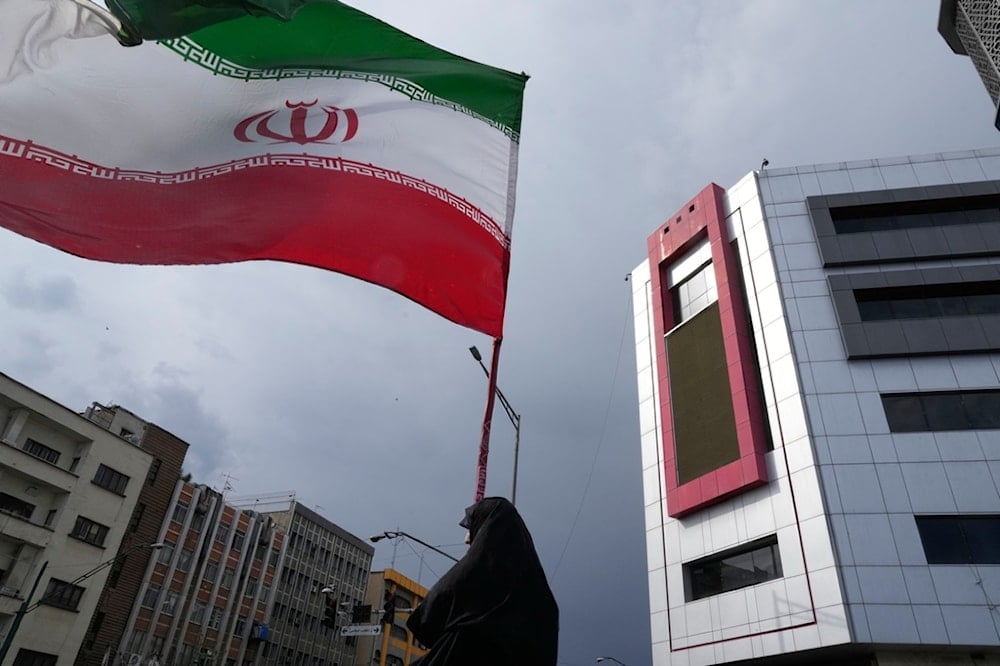
A woman holds an Iranian flag during a pro-government campaign in downtown Tehran, Iran, Sunday, May 17, 2026 (AP)
A proposed memorandum of understanding (MOU) between the United States and Iran remains uncertain despite earlier signs of broad consensus among negotiators, CNN reported on Wednesday.
According to diplomats familiar with the discussions, officials involved in the talks still do not know when or where the agreement could be formally signed, even after key language in the draft was reportedly finalized over the weekend.
The report said expectations had risen Saturday after US President Donald Trump held calls with Gulf leaders while negotiators considered the text effectively “locked in". Regional sources cited by CNN said the understanding was viewed as a potential opening toward ending the war, reducing tensions in the Strait of Hormuz, and paving the way for broader negotiations on Iran’s nuclear program and other disputes.
However, progress appears to have stalled over unresolved wording disputes.
Fragile negotiations
US Secretary of State Marco Rubio said Tuesday that negotiations still required “a couple of days” to settle “disagreements” over a “word or sentence.”
Speaking during a visit to India, Rubio said talks were continuing in Doha and remained centered on “specific language in the initial document,” while insisting that an agreement could still be reached within days despite renewed military escalation.
“The president's expressed his desire to make it. He's either going to make a good deal or no deal,” Rubio said, referring to Trump.
The report noted that delays have increased concerns among regional actors who fear the talks could collapse in a manner similar to previous failed diplomatic efforts between Washington and Tehran.
CNN also cited tensions during earlier contacts involving US Vice President JD Vance in Pakistan last month, when Iranian negotiators reportedly accused Washington of altering agreed terms after discussions had advanced.
Mounting pressure
The ceasefire framework underpinning the negotiations has meanwhile entered its eighth week amid mounting regional strain, including renewed instability in the Strait of Hormuz, Iranian warnings of retaliation following recent US attacks, and escalating Israeli aggression against Lebanon.
The latest tensions come after US Central Command confirmed that American forces carried out strikes in southern Iran on Tuesday, claiming the attacks were conducted “in self-defense” during the ongoing ceasefire period.
At the same time, tensions surrounding the Strait of Hormuz have continued to intensify after Iran moved to restrict traffic through the strategic waterway in response to US-Israeli aggression.
The report added that international and regional pressure to secure the agreement and prevent further escalation continues to intensify as energy markets and shipping routes remain exposed to the risk of wider conflict.
“A few words or sentence even on a ‘locked in’ MOU is unlikely to give him everything he wants,” CNN wrote, referring to Trump’s efforts to present the agreement as a diplomatic breakthrough.
Read more: US war on Iran drains Pentagon budget, forces training cuts


