
US-Iran peace deal victory for Tehran: Atlantic
 4 Min Read
A report in the Atlantic states that the US-Iran agreement to end hostilities has fueled debate over Washington's objectives, regional influence, sanctions relief, and the future balance of power in West Asia.
-
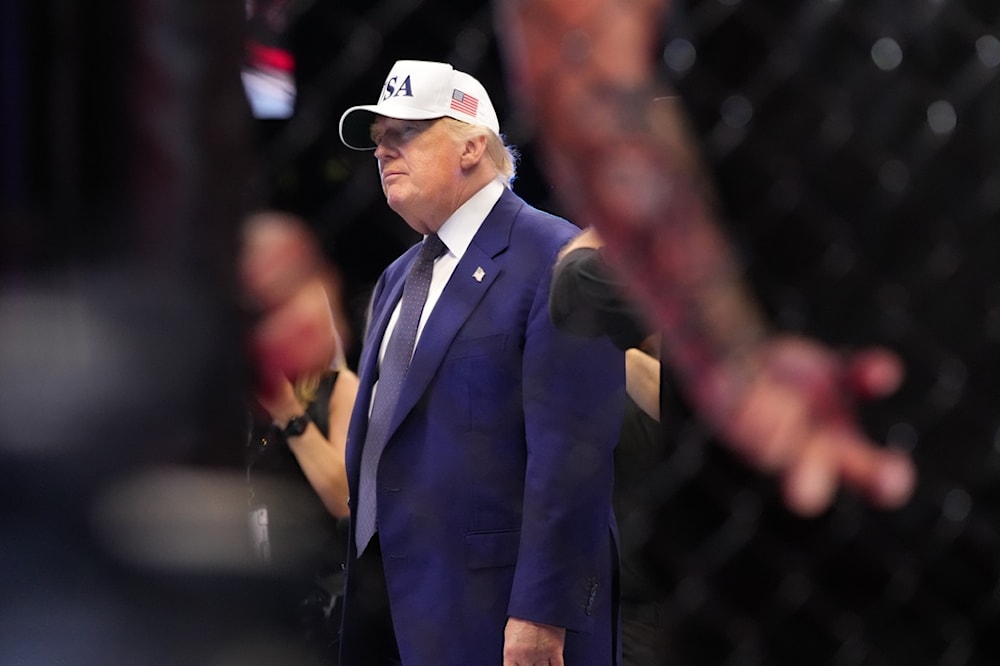
US President Donald Trump stands in the ring at the end of UFC Freedom 250 on the South Lawn of the White House, Monday, June 15, 2026, in Washington. (AP Photo/Alex Brandon)
The agreement reached between the US and Iran on Sunday is more akin to capitulation than what the US President Donald Trump claims to be a diplomatic success in the war on Tehran, Tom Nichols writes for The Atlantic.
He writes that the White House claimed the deal to be part of a grand effort towards restricting Tehran's hard and soft power, forcing it to agree to Washington's demands, adding that those opposed to the Trump Administration's approach see the agreement as falling short of the objectives repeatedly outlined by US officials throughout the confrontation.
However, Nichols states, the deal proved that Iran's core institutions remain intact despite the months of military and economic pressure. He further argues that the outcome shows the limits of military force in achieving broader political goals when confronting a state with entrenched institutions and extensive regional alliances.
Iran is expected to remain a central regional actor while discussions continue regarding sanctions relief, frozen assets, maritime security, and future nuclear-related arrangements.
Nichols writes that while the full details of the agreement have yet to be officially confirmed, the announcement has already triggered intense debate among analysts and political observers over whether Washington achieved its stated objectives and what the outcome means for the balance of power across West Asia.
Read more: Israeli media blasts Iran-US deal as major concession to Tehran
Tehran's position remains firm
The Atlantic piece notes that a central point of debate surrounding the agreement concerns Iran's ability to withstand military pressure while preserving its political system and strategic posture, stating that despite suffering damage to infrastructure and military assets, Tehran continues to maintain influence across several regional theaters and retains significant missile and drone capabilities.
Nichols suggests that Iran's primary objective throughout the confrontation was the preservation of state institutions and deterrence capacity. From this perspective, supporters of Tehran argue that the country succeeded in preventing attempts to impose a broader political transformation through military means.
The reported agreement has also fueled discussion regarding the future of the Strait of Hormuz, one of the world's most strategically important maritime routes. While Washington has emphasized freedom of navigation, Nichols notes that regional security arrangements ultimately depend on the positions of the states bordering the waterway.
Regional implications raise questions for US allies
Nichols adds that the reported deal has generated particular attention in "Israel", where officials have closely aligned themselves with Washington's pressure campaign against Iran, suggesting that differences emerged between US and Israeli priorities during the war on Iran, particularly regarding the scope and duration of military operations.
He says that the agreement's potential impact on regional fronts, including Lebanon and other areas where Resistance movements maintain influence, remains unclear, further stating that the outcome could reshape calculations among regional actors, especially if future negotiations lead to sanctions relief and expanded diplomatic engagement.
The Atlantic writer adds that questions also remain regarding Iran's civilian nuclear program and the future of international monitoring arrangements.
The Trump administration has argued that military operations weakened Iran's civilian nuclear infrastructure. However, Nichols cautions that long-term outcomes will depend on future agreements, verification mechanisms, and the broader political relationship between Tehran and Washington.
It should be noted that despite Western fear and propaganda regarding Iran's alleged interest in acquiring a nuclear weapon, Tehran has vowed not to indulge in such a pursuit; a position that has been held for decades based on a religious ruling by the martyred leader, Sayyid Ali Khamenei.
Reports have also pointed to discussions surrounding the possible release of frozen Iranian assets and phased sanctions relief. The precise conditions attached to any economic measures remain unclear.
Further negotiations are expected in the coming weeks, with both sides likely to seek guarantees regarding implementation and compliance.
Nichols notes that for now, the agreement appears less a final settlement than the beginning of a new phase in a long-running confrontation that has shaped West Asian geopolitics for decades.
Read more: Oil prices fall 4% after Iran-US deal to reopen Strait of Hormuz


