
US limits intel sharing with Seoul after alleged DPRK leak
 3 Min Read
The US restricts parts of intelligence sharing with South Korea after the disclosure of a suspected DPRK nuclear site, raising tensions in bilateral coordination.
-
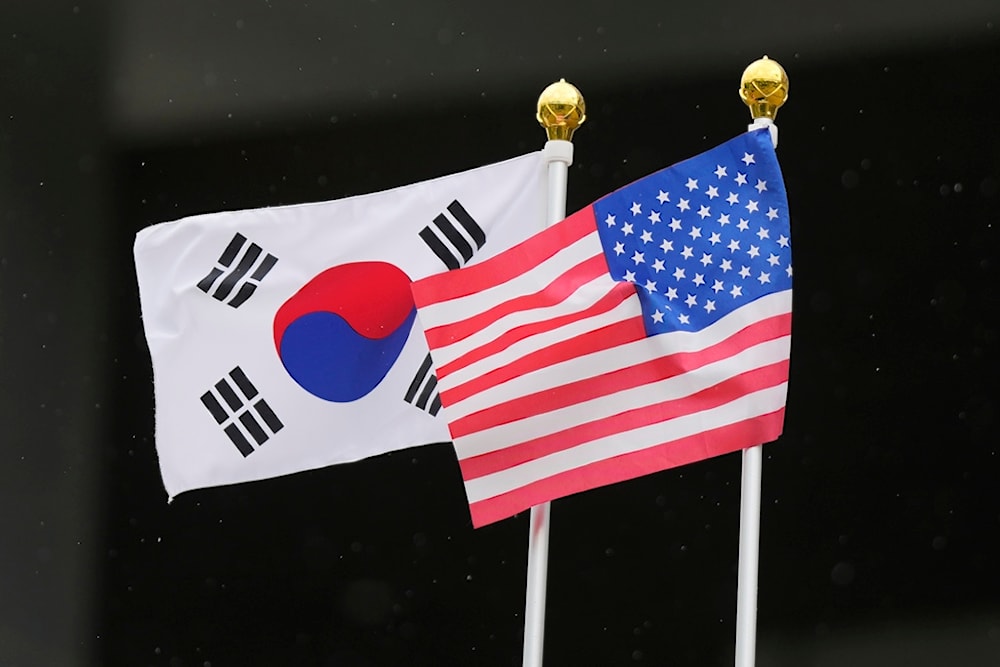
Flags of South Korea and the United States flutter outside of the National Museum of Korean Contemporary History in Seoul, South Korea, on April 25, 2023. (AP Photo/Lee Jin-man)
The United States has reportedly scaled back portions of intelligence sharing with South Korea following concerns over the disclosure of sensitive information related to the DPRK's nuclear infrastructure.
According to reporting by Yonhap News Agency, the restrictions began earlier this month and primarily affect intelligence gathered through satellite surveillance.
A senior military official confirmed that Washington has been “restricting sharing parts of [DPRK] intelligence,” particularly data considered sensitive in nature.
Disclosure of nuclear site triggers tensions
The move follows remarks by South Korean Unification Minister Chung Dong-young, who referenced an additional nuclear-related site in the DPRK during a parliamentary session.
Beyond the well-known facilities at Yongbyon and Kangson, Chung identified Kusong, located in North Pyongan province, as hosting a uranium enrichment installation.
US officials reportedly viewed the statement as an unauthorized disclosure of classified or closely held intelligence, prompting concern in Washington over the handling of shared information.
Read more: US weighs relocating THAAD, Patriots from South Korea to Middle East
Seoul denies leak
South Korean President Lee Jae Myung denied allegations that a DPRK nuclear facility was found based on US intelligence, calling the accusation "absurd".
“Any claim or action based on the premise that Minister Chung ‘leaked classified information provided by the US’ is wrong,” Lee wrote in a post on X on Monday.
<정 정관 '구성 핵시설' 발언 이전에 구성 핵시설 존재사실은 각종 논문과 언론보도로 이미 전 세계에 널리 알려져 있었던 점은 명백한 팩트입니다.
— 이재명 (@Jaemyung_Lee) April 20, 2026
정 장관이 '미국이 알려준 기밀을 누설'했음을 전제한 모든 주장과 행동은 잘못입니다.
대체 왜 이런 터무니없는 일이 벌어지고 있는지 자세히…
Military readiness remains unaffected
Despite the restrictions, core intelligence exchanges between the two allies continue largely unchanged.
Key data related to DPRK missile launches and broader military activities is still being shared, ensuring that South Korea’s operational readiness remains intact.
Officials emphasized that surveillance systems and intelligence coordination mechanisms are functioning “as usual,” with no disruption to monitoring capabilities or response posture.
The South Korean Defense Ministry reiterated that joint readiness and intelligence cooperation with the United States have not been compromised.
Intelligence cooperation under strain
The episode highlights underlying sensitivities within intelligence-sharing arrangements, particularly when it comes to highly classified surveillance data.
Washington has reportedly urged Seoul to strengthen safeguards to prevent similar disclosures in the future, signaling expectations of stricter information control.
Chung Dong-young, for his part, defended his remarks, stating they were based on publicly available sources and expressing hope that the issue could be resolved through “smooth South Korea-US communication.”
While the dispute appears contained for now, it underscores the fragility of trust in intelligence partnerships, especially in regions marked by ongoing security tensions.


