
US may delay new Russia sanctions, Energy Secretary says
 2 Min Read
US Energy Secretary Chris Wright says Washington may not decide on new anti-Russian sanctions before the deadline set by President Trump’s law.
-
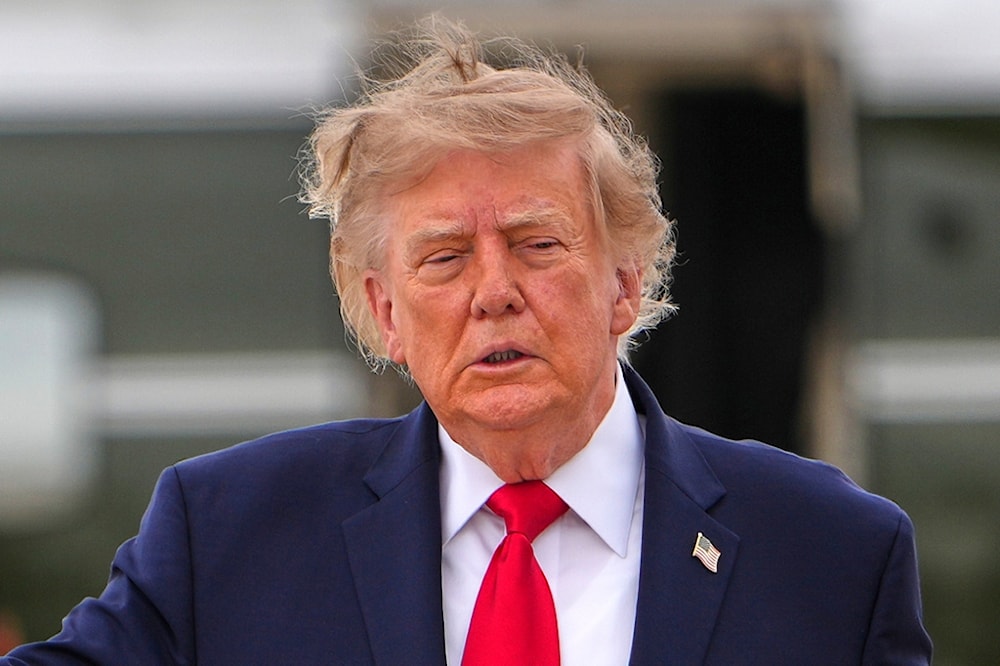
US President Donald Trump walks from Marine One to board Air Force One, Saturday, Sept. 26, 2026, at Joint Base Andrews, Md. (AP Photo/Julia Demaree Nikhinson)
The US may not decide whether to impose new anti-Russian sanctions before the deadline set by a law signed by President Donald Trump, US Energy Secretary Chris Wright said Sunday.
On September 19, Trump signed legislation authorizing him to impose additional tariffs of up to 100% on goods from the five largest buyers of Russian oil and gas, as well as tariffs of up to 500% on Russian goods imported into the US.
The legislation sets a 30-day deadline for implementing some of its measures.
Asked by CBS whether the measures would be adopted within the specified timeframe, Wright said Trump typically waits until the deadline before making decisions. "He [Trump] leaves every decision till the end. He'll evaluate the trade-offs," Wright said.
Wright added that Trump has "worked ceaselessly" to reach a settlement to the conflict in Ukraine, maintaining constant dialogue with both sides.
Decision to be made amid energy crisis
The uncertainty over new sanctions comes as Washington faces mounting energy pressures amid the ongoing US war on Iran, with disruptions to regional energy supplies adding to concerns over fuel availability and prices.
The US government said Tuesday it will offer to loan energy companies up to 40 million barrels of crude oil from the Strategic Petroleum Reserve (SPR), marking the final US contribution to a global agreement to release emergency oil reserves following the war on Iran, Reuters reported.
Washington agreed in March to loan 172 million barrels from the SPR as part of a wider International Energy Agency (IEA) agreement involving around 30 countries to release 400 million barrels from strategic reserves worldwide.
The Energy Department had previously offered the final 40 million barrels in June, but companies agreed to borrow only around 500,000 barrels at the time. Energy Secretary Chris Wright said the US and Japan had fulfilled their commitments under the agreement, while several European IEA members had released only part of the crude and petroleum products they had pledged.
Read more: Under US pressure, G7 agree to release 100mln barrels of oil


