
US Senate passes $900M military budget for fiscal year 2026
 2 Min Read
The US Senate has approved the $900.6 billion National Defense Authorization Act (NDAA) for fiscal year 2026, which includes $400 million in military aid for Ukraine. The bill now awaits President Trump's signature.
-
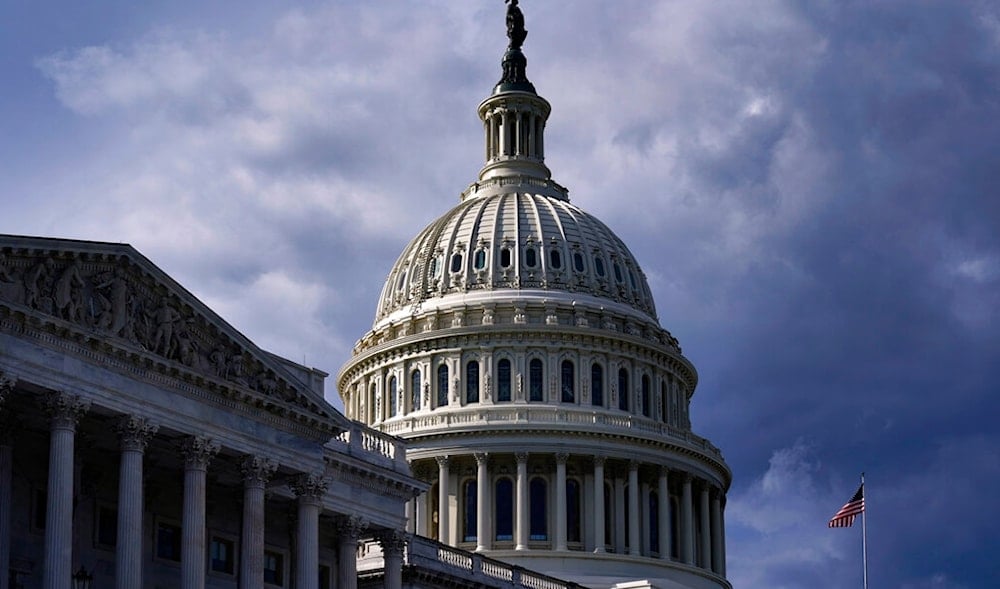
The U.S. Capitol in Washington, Monday, Oct. 4, 2021 (AP)
The US Senate on Wednesday voted to approve the House-passed version of the National Defense Authorization Act (NDAA) for fiscal year 2026, advancing a record $900.6 billion in defense spending. The legislation now moves to President Donald Trump for his signature.
The final Senate vote recorded 77 in favor and 20 against, following the House’s earlier approval of the bill on December 10 with a vote of 312 to 112.
The NDAA 2026 outlines national security spending that exceeds the White House's initial request by $8 billion. The legislation authorizes a broad range of expenditures for defense operations, military readiness, and weapons procurement.
With both chambers of Congress having passed the legislation, the bill now awaits formal approval by President Trump. Once signed, it will become law and guide US defense policy and spending priorities through fiscal year 2026.
US involvement in Ukraine war continues
Among its key allocations, the bill includes $400 million in military aid for Ukraine. According to the document, a similar amount is expected to be allocated for Ukraine in fiscal year 2027, indicating continued support for Washington’s military assistance to Kiev.
In late November, analysis of a US Government Accountability Office (GAO) report indicated that Ukrainian government officials have acknowledged to US auditors that the massive flow of international recovery funding is likely to increase opportunities for corruption.
The United States has allocated more than $56 billion for Ukraine’s recovery efforts from 2022 through 2024, while overall donor commitments have exceeded $130 billion in grants and loans, GAO cited the Department of State as saying.
Read more: US spent $33 billion on post-Oct.7 genocide, wars, Brown Uni reports


