
US yet to issue visa for al-Burhan, links it to Sudan ceasefire
 2 Min Read
The US has yet to issue Abdel Fattah al-Burhan a visa for the UN General Assembly, amid reports linking it to a proposed Sudan ceasefire.
-
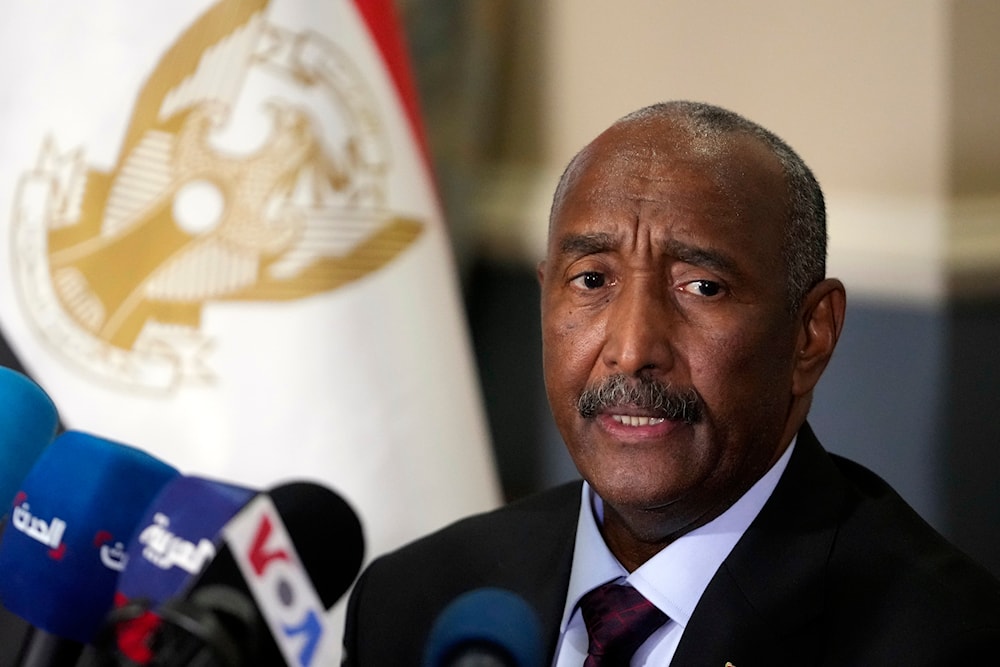
Gen. Abdel-Fattah Burhan, President of the Transitional Sovereign Council of Sudan, speaks during a news conference at the Sudan Mission to the United Nations Thursday, Sept. 26, 2024, in New York (AP)
The United States has not yet issued an entry visa to the head of Sudan’s Transitional Sovereignty Council and commander of the Sudanese army, Abdel Fattah al-Burhan, diplomatic sources told Reuters days before his scheduled participation in the United Nations General Assembly in New York.
According to a Sudanese diplomatic source and a Western analyst familiar with US-Sudanese communications, the issuance of the visa appears to have become linked to Burhan’s approval of a proposal for a 90-day ceasefire put forward by the US President’s adviser for Arab and African affairs, Massad Boulos. Neither the US State Department nor Sudanese authorities have officially confirmed this link.
The Sudanese army had expressed reservations during the summer about the US truce proposal. Burhan is expected to deliver Sudan’s address before the United Nations General Assembly on Thursday.
Sudan calls on UN chief to secure al-Burhan's visa
Sudan’s representative to the United Nations, Al-Harith Idris Al-Harith, sent a letter to UN Secretary-General António Guterres requesting that the international organization intervene with US authorities to ensure the visa is issued. The letter, dated yesterday, Monday, warned that continued failure to issue the visa would prevent the head of Sudan’s Sovereignty Council from participating personally in the General Assembly’s proceedings.
UN spokesman Stéphane Dujarric said Guterres is “extremely concerned” about reports that the visa has not yet been issued, adding that the Secretariat immediately raised the matter with US authorities and is continuing its communications with them.
The crisis comes amid rising tension in relations between Washington and Sudan’s military leadership over efforts to stop the war that has continued since April 2023. Burhan said in an article published in Foreign Policy magazine that he rejects what he called “external dictates” related to the war, arguing that previous ceasefire experiences allowed the Rapid Support Forces to regroup.
The dispute also follows objections from army supporters to a US proposal to expand the arms embargo imposed on the Darfur region to cover all of Sudan, saying the step could affect the army more than the Rapid Support Forces.


