
India weighs A-GPS tracking mandate amid privacy concerns: Exclusive
 4 Min Read
India reviews a proposal for always-on A-GPS tracking, sparking a major privacy backlash as Apple, Google, and Samsung push back against expanded surveillance.
-
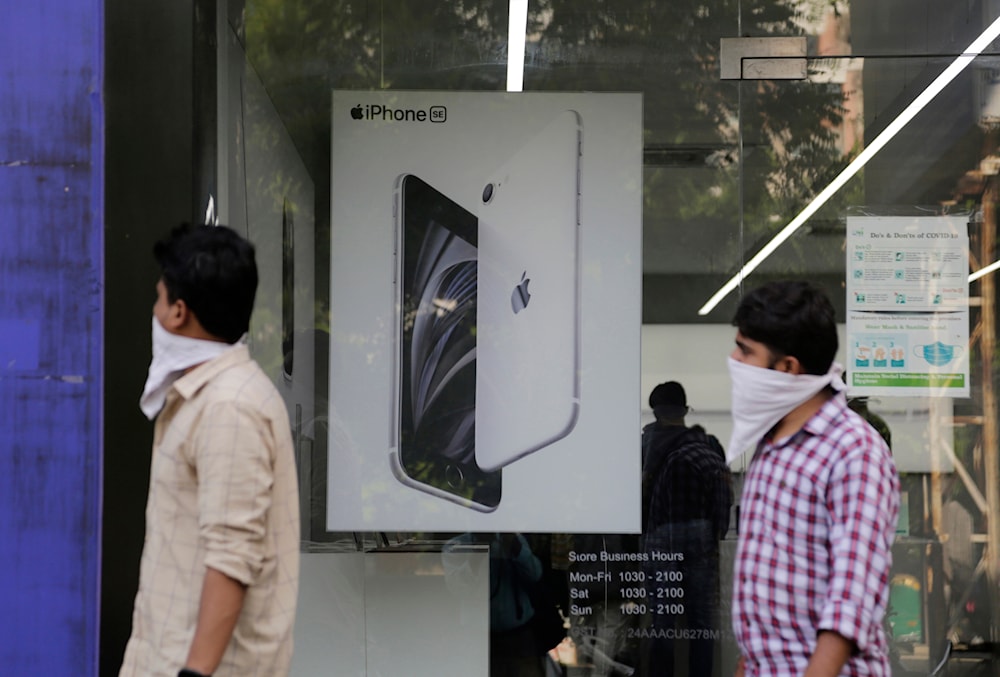
People walk past an image of an iPhone displayed at an Apple store in Ahmedabad, India, on August 1, 2020. (AP)
India is reviewing a proposal that could dramatically expand India's smartphone surveillance by requiring smartphone makers to activate precise satellite-based location tracking at all times.
A report by Reuters stated that the plan, put forward by the telecom industry, seeks to enable authorities to obtain exact user locations during investigations, but it has triggered strong resistance from Apple, Google, and Samsung over privacy and security concerns. The proposal surfaced just days after the government was forced to withdraw an order mandating a state-run cyber safety app on all devices, a move that reignited debate on digital oversight under the Modi government.
According to Reuters, the push originates from the Cellular Operators Association of India, which represents major telecom players and argues that current systems relying on cellular tower data do not provide sufficient precision.
In a June internal email, officials were informed that only an A-GPS tracking mandate could allow authorities to locate devices within roughly a meter. That would require location services to remain permanently active, with no option for users to turn them off.
Smartphone firms push back over privacy
Apple, Google, and Samsung have told New Delhi they oppose the measure, according to sources familiar with the deliberations.
A confidential July letter from the India Cellular & Electronics Association, which represents the companies, warned that enabling constant A-GPS tracking would amount to unprecedented regulation and raise serious legal and national security concerns. "The A-GPS network service ... (is) not deployed or supported for location surveillance," the letter stated, arguing the requirement "would be a regulatory overreach."
Read next: Digital sovereignty: How states battle to protect data in AI era
A planned meeting between the Home Ministry and smartphone executives to discuss the telecom industry proposal India was postponed, and both India’s IT and home ministries have yet to respond publicly, according to Reuters. Industry lobby groups and major companies have also not commented, leaving the status of the discussions unclear.
Concerns over surveillance and national security
The proposal has prompted warnings from digital rights experts who say it would effectively turn every smartphone into a surveillance tool. "This proposal would see phones operate as a dedicated surveillance device," said Junade Ali, a digital forensics specialist with Britain’s Institution of Engineering and Technology.
Cooper Quintin of the Electronic Frontier Foundation noted he had never heard of a similar mandate elsewhere, calling the idea "pretty horrifying."
The Reuters report explained that the debate is unfolding as many governments explore new ways to monitor mobile devices, with some, such as Russia, requiring the installation of state-backed communications apps. But industry representatives in India argue that a measure of this scale would undermine user trust and expose sensitive groups, including journalists, executives, military personnel, and judges, to new risks.
India, now home to 735 million smartphones, relies largely on Android devices, with the remainder using Apple’s iOS. As part of the ongoing Modi government privacy debate, companies warn that constant satellite tracking would jeopardize consumer protection, as stated by Reuters. They argue that even existing tower-based tracking poses challenges, especially as phones display alerts notifying users that their carrier is attempting to access their location.
According to the telecom companies, those alerts make it too easy for "a target" to detect that "he is being tracked by security agencies," and they urged the government to force phone makers to disable the pop-up. Apple and Google oppose that request as well, maintaining that transparency is essential. The July letter argued that disabling such notifications would undermine user rights, insisting it would "ensure transparency and user control over their location."


