The Israeli-Egyptian Gas Deal And Why Normalisation Is A Curse
-
 Robert Inlakesh
- 25 Dec 2025 00:26
- 2 Shares
 7 Min Read
Netanyahu hailed a $34.7B gas deal with Egypt, rewarding Israeli dominance, while Cairo’s normalisation highlights economic loss and growing dependence on the US.
-
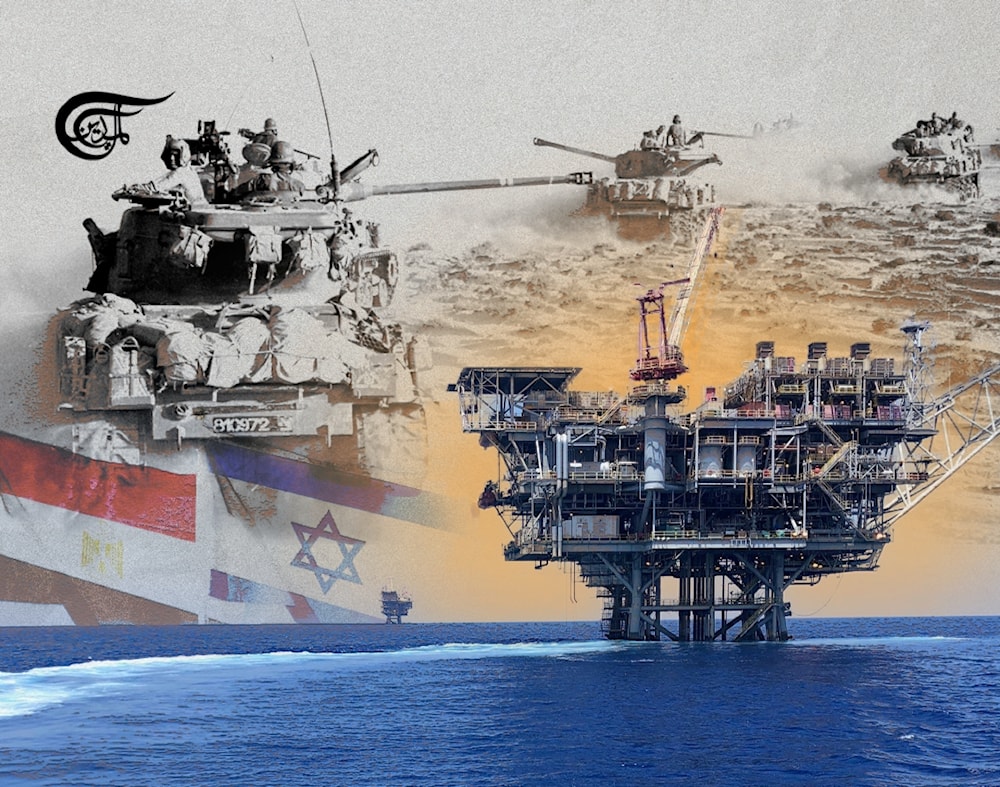
The Zionist entity now seeks normalisation with both Lebanon and Syria, both of which are in a position of weakness and will be forced to grant concessions to reach such an agreement, without receiving anything in return (Illustrated by Mahdi Rteil to Al Mayadeen English)
With a grin on his face, Israeli Prime Minister Benjamin Netanyahu announced what he hailed as a historic agreement with Egypt. A deal worth $34.7 billion in gas exports asserted “Tel Aviv’s” dominance and served as a reward for its genocide against Gaza.
Despite the implications on the predicament of Palestine, which has triggered public condemnation, perhaps the most overlooked element of the gas deal is what this means for Cairo itself and the wider question of Arab normalisation.
Egypt was once the cultural and political center of the MENA region, commanding enormous power throughout the Arab World in particular and posed an active challenge to Israeli dominance. In 1973, the Egyptian army managed to temporarily retake the Sinai Peninsula, which had been under illegal occupation since 1967.
However, following the war, which eventually resulted in the Zionist regime recapturing the occupied territories from both Egypt and Syria, the two nations that had decided to launch a joint surprise attack, then went in very different directions. Egyptian President Anwar Sadat decided to use the example of Egypt’s military potential in order to sign a normalisation deal, the diplomatic path to reclaiming its territory.
Like is the case with all leaderships seeking normalisation, the desire to recognise the occupying entity is due to it being a move designed to win the favour of Washington and re-align the country with its regional agenda, usually motivated by economic and security incentives.
In Cairo’s case, its normalisation deal was the most significant of any such agreements, both in terms of territory gained and the billions in US aid it received as a result of it. Billions in US taxpayer dollars were sent to Egypt by the Carter administration, making the Arab nation the second largest recipient of foreign aid after the Israelis.
Egypt was also able to reclaim the Sinai and opened up countless investment opportunities, including removing all constraints placed upon it previously by the United States. Yet, despite Sadat effectively using his leverage and receiving tangible benefits, the desired outcome was far from what the leader purported to have envisaged.
Sadat was eventually assassinated, leading to the dictatorship of Hosni Mubarak. The Egyptian leader would go on to throw himself even deeper into the Western camp, implementing neo-liberal economic reforms between the late 80s until his regime's collapse in 2011.
These reforms led to economic growth on paper, yet widened the gap between rich and poor, consolidating wealth concentration and deepening social inequality. Most of these policies were led by the structural adjustment programs of the International Monetary Fund (IMF) and World Bank, meaning more privatisation, deregulation and a reduction in public spending.
Amidst this, the Mubarak regime signed a gas export deal with the Israelis. Yet, this was no regular agreement, it was a corrupt scheme coordinated between Egyptian and Israeli businessmen that resulted in the syphoning off of the nation's natural resources for peanuts.
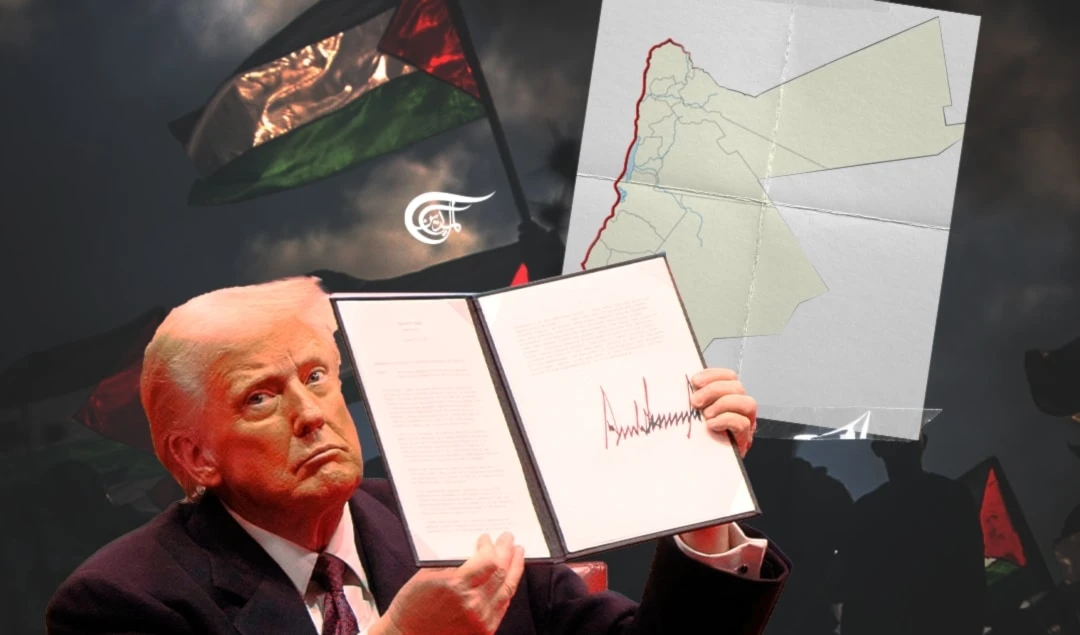
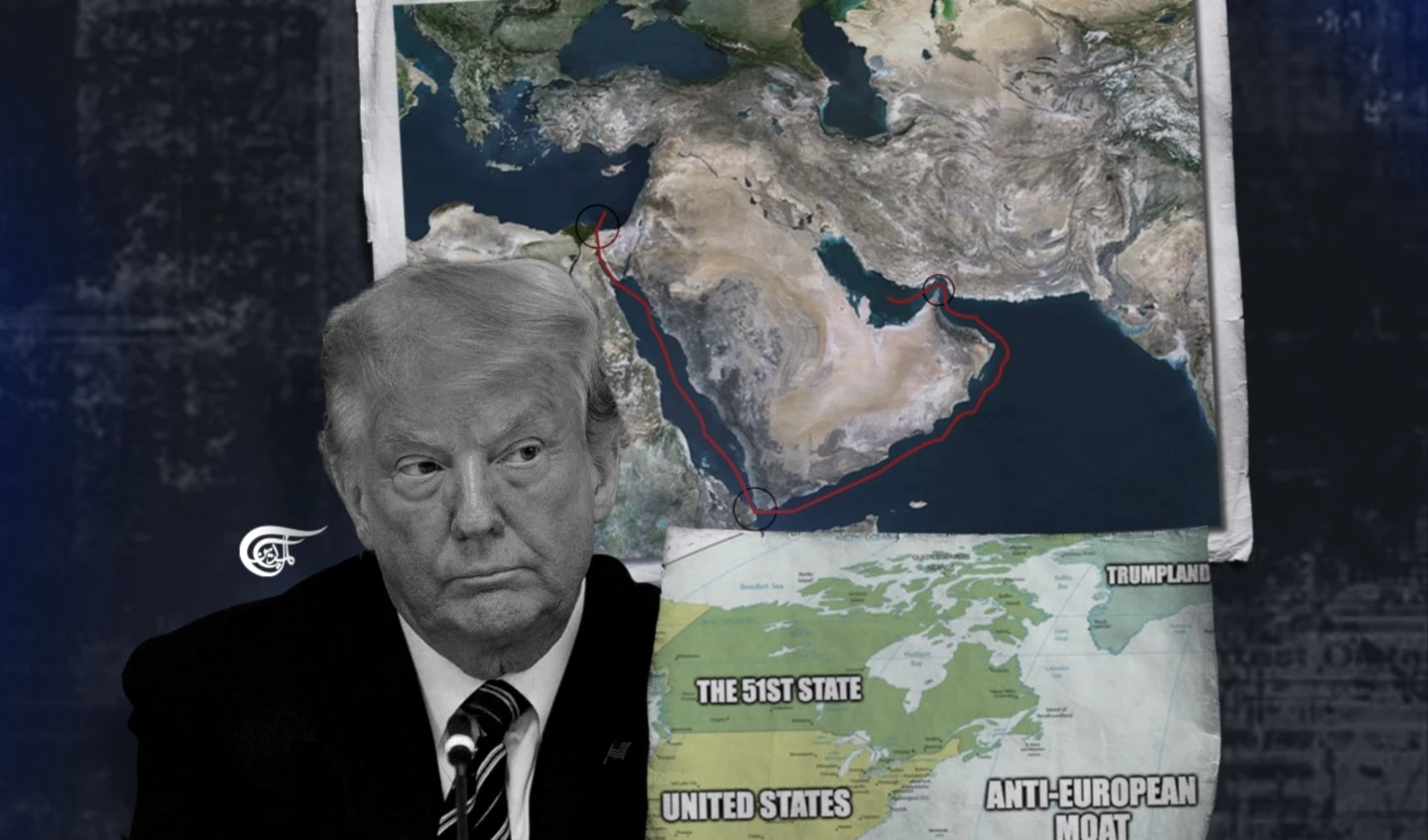
At the time, gas sold for up to $12.60 per million British Thermal Units (MBTU), however, Egypt was selling its gas to the East Mediterranean Gas company for as little as $1.50. The result was that corrupt business partners enriched themselves, while Egypt lost out on an estimated $11 billion. In essence, the deal was one which provided the Zionist regime with unprecedentedly cheap gas and ensured the Egyptian people would not reap the benefits.
Now, under the current Egyptian leadership of Abdel-Fattah El-Sisi, the nation reverses the gas pipeline and will now purchase it from the occupying regime to the north. This is why Israeli Prime Minister, Benjamin Netanyahu, set up a special press conference to announce it with a big grin on his face. It is the largest Israeli export deal ever signed and comes as a reward for genocide.
It’s also a sign of complete capitulation. The Israelis have violated the Camp David Accord normalisation agreement by invading Gaza’s Philadelphi corridor, committing bombing attacks in the Sinai and it has even shot dead Egyptian soldiers since October 7, 2023.
When the Egyptian military began amassing forces within the Sinai, Washington-based pro-Israeli think tanks then started to build the narrative that would justify an Israeli invasion of the territory.
In September of 2024, the Washington-based Foundation for the Defense of Democracies (FDD) published a report accusing Cairo of aiding Hamas, through tunnel infrastructure leading into Gaza. The allegation was that the North African nation was enabling the Palestinian resistance movement to expand its military capabilities. Something that was later proven physically impossible by the Zionist army itself.
Prominent Israelis were also war mongering in late 2024, as the Israeli settlement movement continues to advocate the re-occupation of the Sinai Peninsula. Last week, a leader of the illegal settler community in occupied al-Khalil, Yishai Fleisher, even made a social media video advocating this position.
Although the current political predicament will not permit a Zionist takeover of Egyptian territory, as we have seen in southern Syria over the past year, the moment such an opportunity presents itself, the seizure of new lands will occur.
What has happened to the nation that once led the Arab World is the unfortunate inevitable tale of Israeli normalisation and capitulation to American demands. The US roped Egypt in with massive aid handouts, then demanded reforms and that the Egyptian military buy equipment in an incoherent way from a whole range of nations. The IMF and World Bank offer their loans, but then seek to reshape a nation to their model. When this goes on for long enough, combined with business dealings that rip off the people, it creates a system enslaved to the US.
Despite investments from the Arab Gulf nations and others, the construction of compounds and new communities designed for the rich and other projects ongoing inside the country, as a whole Egypt remains on a perpetual knife’s edge. It is unfortunately declining even further than it was before and the potential security risks involved in this decline grow exponentially.
Therefore Egypt serves as the model for normalisation. What is perhaps the most concerning aspect of this, is the implications on others who follow this path. Because Egypt, as mentioned above, did engage in normalisation from a position of relative strength, it did regain territory and receive massive injections of billions in foreign aid.
The Zionist entity now seeks normalisation with both Lebanon and Syria, both of which are in a position of weakness and will be forced to grant concessions to reach such an agreement, without receiving anything in return. The US will do far less to aid them than it did for Egypt, and even though the Egyptians clearly had chips to play at the time, look at where they have ended up.