
Cost of ‘war insurance’ in the Gulf has risen 1,900%
 2 Min Read
Insurance costs for "war and terrorism coverage" in West Asia have surged dramatically, impacting data centers, energy infrastructure, and major global companies.
-
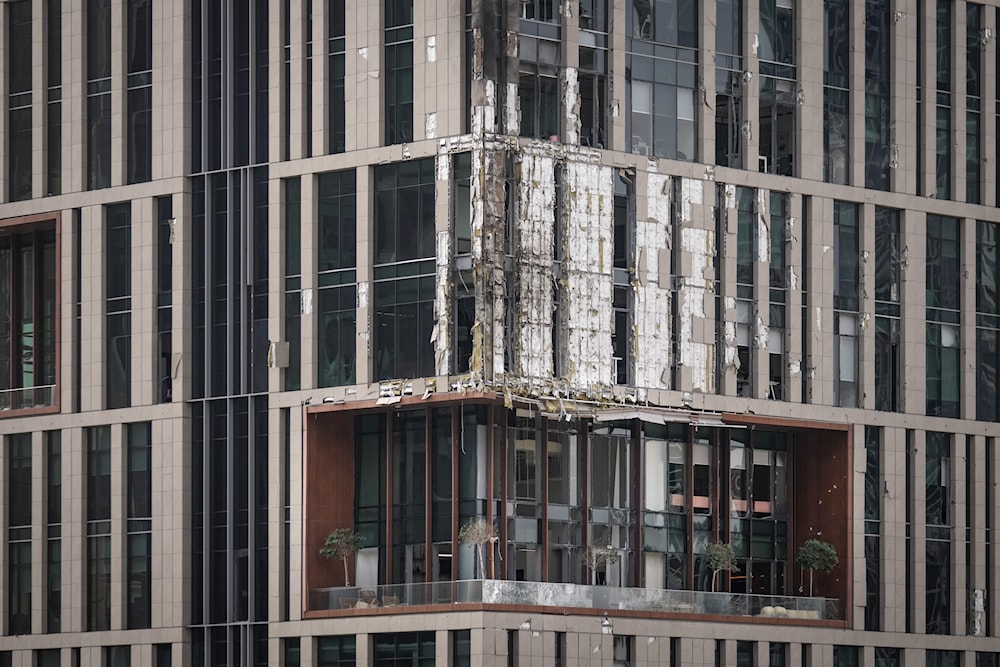
Facade of a building at Dubai's financial district is seen partially damaged, which, according to the authorities, was caused by falling debris after a rocket was intercepted, United Arab Emirates, on March 13, 2026. (AP Photo/Altaf Qadri)
The cost of war risk insurance in West Asia has surged dramatically amid the ongoing US-Israeli war on Iran, affecting everything from energy infrastructure to hotels and data centers.
A $100 million policy covering damage from "war and terrorism", which previously cost around $250,000 annually before the outbreak of hostilities, now costs as much as $5 million, according to Joe Peiser, CEO of Risk Capital at Aon.
The sharp increase reflects a rapidly deteriorating risk environment, as insurers reassess their exposure to high-value assets across the region. In addition to rising premiums, the amount of coverage available has dropped significantly, particularly for critical infrastructure such as data centers.
Before the war, developers could secure up to $3 billion in coverage for a single data center property. “Today, the max we could probably do is $100 million,” Peiser said.
This reduction underscores growing concerns among insurers about concentrated risks and the potential scale of losses in the event of a prolonged war.
Attacks on US interests raise alarm
Recent incidents have heightened fears across the insurance and business sectors.
Iranian drones targeted two Amazon Web Services data centers in the United Arab Emirates during retaliatory strikes in the early days of the war. In Dubai, the luxury Fairmount hotel was set on fire by debris from an Iranian missile. Meanwhile, Iran’s IRGC warned that the West Asia facilities of 18 US companies, including Microsoft, Google, and JPMorgan, would be considered “legitimate targets".
Such developments have intensified concerns about the vulnerability of commercial assets, particularly those linked to global technology and financial firms.
Traditional commercial insurance policies typically exclude coverage for wars, pushing companies toward the specialized war risk insurance market.
Peiser estimates that global insurers, including Lloyd’s of London, currently have around $50 billion in active war risk policies in West Asia. Many of these policies were issued at significantly lower premiums than current market rates.
Unlike marine tanker insurance, which can be repriced more dynamically during wars, fixed assets such as data centers cannot be relocated. As Peiser noted, this lack of flexibility increases insurers’ exposure, since moving such infrastructure is “not an option with data centers.”


