
Iraq declares force majeure on foreign-developed oil fields
 2 Min Read
Iraq declares force majeure on all oil fields developed by foreign companies as the US-Israeli war on Iran disrupts navigation through the Strait of Hormuz, blocking most of the country's oil exports.
-
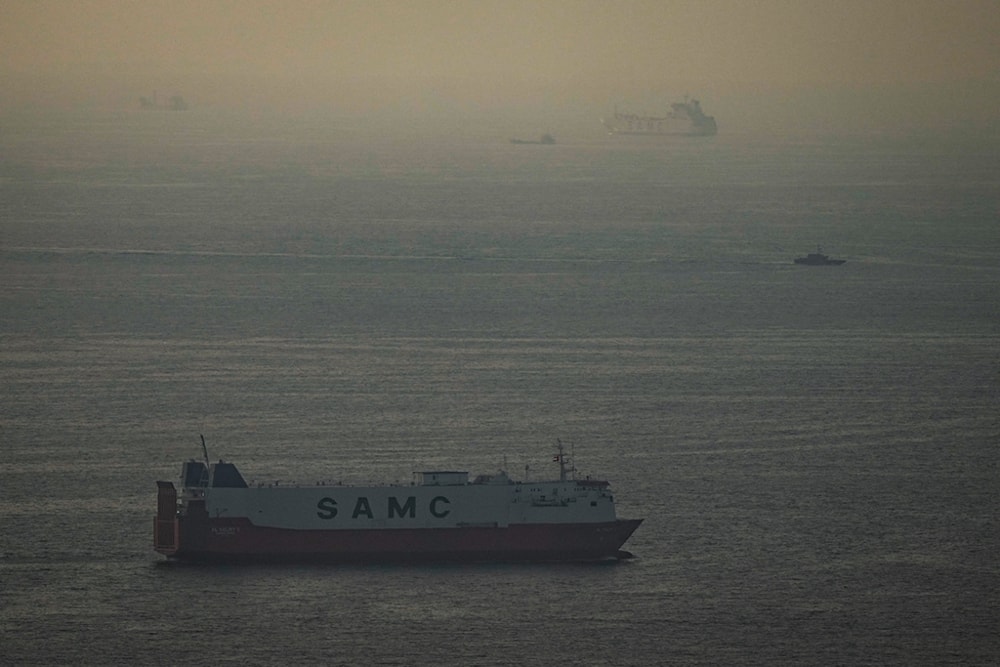
Cargo ships sail in the Arabian Gulf towards Strait of Hormuz in United Arab Emirates, Thursday, March 19, 2026. (AP)
Iraq has declared force majeure on all oil fields developed by foreign companies, Reuters reported on Friday, citing sources in the country's Oil Ministry.
Iraq has declared force majeure because military operations in the Middle East have disrupted navigation through the Strait of Hormuz, blocking most of the country's oil exports, the report said.
What is force majeure?
Force majeure is a legal clause found in contracts that releases parties from fulfilling their obligations when unforeseen and uncontrollable circumstances beyond their control arise. In the oil and gas industry, declaring force majeure allows a producer to suspend deliveries to buyers without facing legal penalties for breaching contract terms.
Common triggers for force majeure include natural disasters, war, civil unrest, and in this case, disruptions to critical infrastructure or shipping routes.
For Iraq, a country heavily dependent on oil revenues, the declaration reflects the severe impact of the ongoing US-Israeli war on Iran, which began on February 28. The conflict has made navigation through the Strait of Hormuz, a vital chokepoint through which much of the region's oil passes, increasingly dangerous and unpredictable.
The declaration means Iraq is effectively informing foreign oil companies and buyers that it cannot guarantee production or export commitments due to circumstances outside its control. It also shields Baghdad from potential financial claims or contract disputes arising from the disruption.
Read More: Strait Resistance: How the Hormuz crisis challenges Western economic hegemony


