
Oil prices fall $35 from war peak as IEA warns of looming supply glut
 3 Min Read
Oil prices have fallen $35 from their wartime peak, with Brent crude trading below $80 as the IEA warns of a potential global supply glut.
-
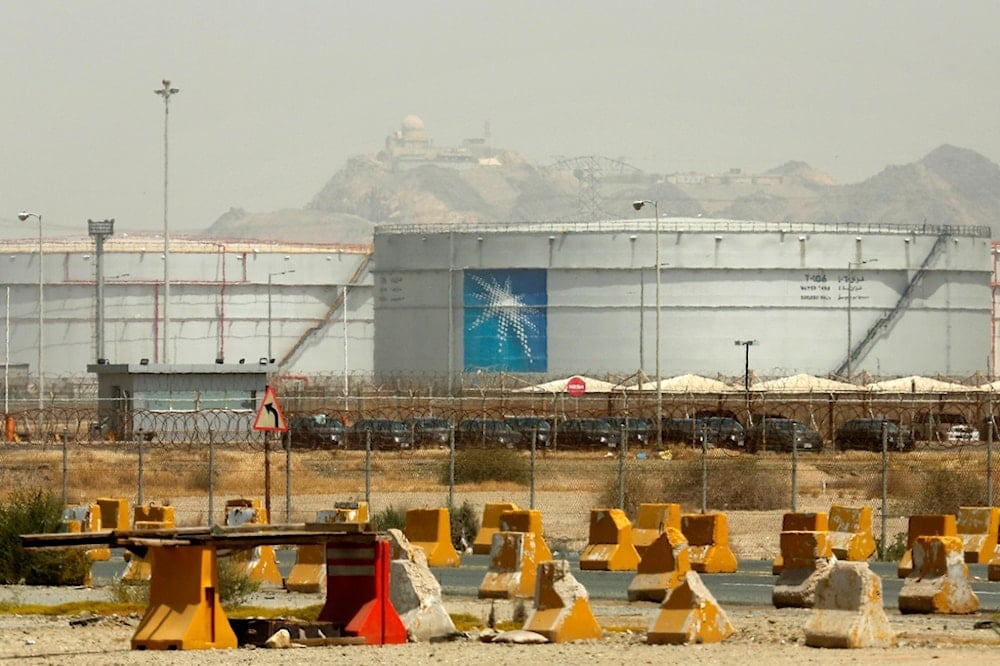
Storage tanks are seen at the North Jiddah bulk plant, an oil facility in Jiddah, Saudi Arabia, March 21, 2021. (AP Photo/Amr Nabil, File)
Oil prices have fallen by around $35 from their wartime peak, with benchmark crude holding below $80 per barrel and a potential supply glut now looming as global demand weakens and tensions in West Asia ease.
Brent crude, the global oil benchmark, has settled below $80 per barrel for the past three days, moving closer to pre-war levels in a welcome sign for global energy markets and consumers.
On Thursday, Brent slipped 2% to around $78 per barrel, after having settled the previous day nearly $35 below its wartime high of $114.44 per barrel. US benchmark West Texas Intermediate (WTI) also hit three-month lows, trading at around $74 per barrel.
Strait of Hormuz flows key price trigger
Analysts say crude prices could fall further toward pre-war levels if shipping through the Strait of Hormuz fully resumes.
Neil Wilson, a strategist at investment bank Saxo, said in a note that oil could drift lower if maritime traffic normalises through the key chokepoint. He added that crude was trading around $70 per barrel before the war began at the end of February, while prices had been closer to $60 earlier in the year, before tensions between the United States and Iran escalated.
The downward trend comes as the International Energy Agency (IEA) warned on Wednesday of a possible global oil supply surplus if the West Asia peace deal holds.
“This may provide a welcome respite to the market and an opportunity to replenish depleted inventories, or to build new strategic reserves, as countries review their energy strategies and policies in response to the crisis,” the IEA said.
The Paris-based energy watchdog now expects global oil demand to fall by 1.1 million barrels per day this year, nearly three times its previous forecast from a month earlier, driven by higher fuel prices and ongoing supply disruptions.
Iran-US agreement eases market concerns
Oil prices had already come under pressure earlier this week after Iran and the United States reached a preliminary agreement that includes reopening the Strait of Hormuz and lifting maritime restrictions in the region. The development sharply reduced the geopolitical risk premium that had been built into crude markets during months of conflict and supply uncertainty.
Brent crude and US West Texas Intermediate (WTI) both fell around 4% on Monday as traders reacted to the prospect of restored oil flows through one of the world's most important energy chokepoints. Analysts said the sell-off reflected a rapid unwinding of war-related risk pricing across global energy markets.
The agreement, announced by Iran's Supreme National Security Council (SNSC) and confirmed by US President Donald Trump, provides for an immediate and permanent end to military operations, the lifting of the naval blockade on Iran, and the phased reopening of the Strait of Hormuz under Iranian arrangements. The memorandum also establishes a framework for follow-up negotiations on sanctions relief and other outstanding issues, with technical talks expected to begin in Switzerland ahead of the formal signing on June 19.
Market participants said the prospect of resumed maritime traffic and reduced regional tensions has significantly improved supply expectations, contributing to the sharp decline in oil prices and raising the possibility of a global supply surplus if the agreement holds.


