
Oil prices fall as US-Iran mediation efforts ease supply fears
 4 Min Read
Oil prices slip as markets weigh reported US-Iran mediation efforts against fresh attacks, Strait of Hormuz risks, and threats to regional oil supplies.
-
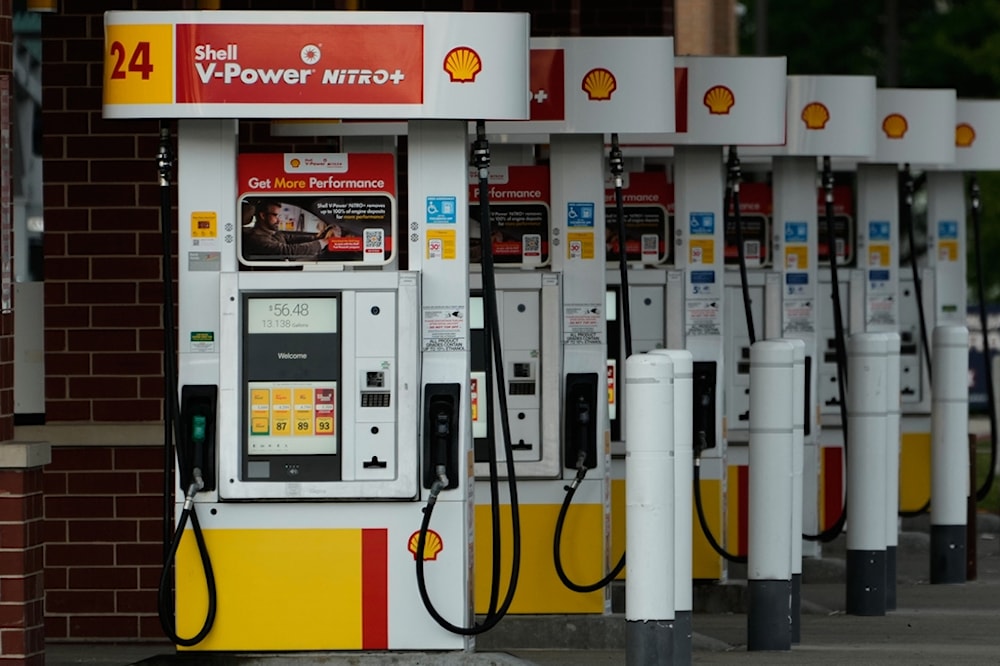
Gas pumps are seen at a gas station in Buffalo Grove on June 25, 2026. (AP Photo/Nam Y. Huh)
Oil prices softened on Tuesday, with markets weighing reports of mediation efforts between the US and Iran against an exchange of fresh attacks between the two and the naval blockade of Saudi Arabia by Ansar Allah.
Brent crude futures eased 78 cents, or 0.9%, to $88.44 per barrel by 04:15 GMT. US West Texas Intermediate crude was down 73 cents, or 0.9%, to $82.50 per barrel, while the more active contract for September delivery slipped 41 cents, or 0.5%, to $82.07 a barrel.
"There's some hope of de-escalation between the US and Iran. Reports are that mediators are proposing a 10-day ceasefire, which could put the Memorandum of Understanding (MoU) back on track," ING analysts said in a note, referring to the June interim deal.
However, ING emphasized certain difficulties as major differences remain between Washington and Tehran, while Trump has warned of intensifying the aggression after Iran's retaliation left several US troops in the region dead.
A senior Iranian official told Reuters Tehran had received a proposal from mediators for a 10-day ceasefire in efforts to salvage the deal signed on June 17, intended to pave the way for a lasting agreement to end the war that began on February 28 with US-Israeli attacks on Iran.
The diplomatic push followed another night of US strikes on Iranian cities and attacks by Iran's Revolution Guards on US military assets across the region. Later on Monday, US Central Command said it had begun another round of strikes on Iran.
Strait of Hormuz traffic falls amid rising security risks
A tanker in the Strait of Hormuz reported being struck by an unknown projectile, forcing its crew to abandon ship and board a lifeboat, the United Kingdom Maritime Trade Operations (UKMTO) agency said on Tuesday.
Later, the IRGC said that two oil tankers were disabled after explosions caused extensive fires while attempting to navigate an unsafe route south of the Strait of Hormuz.
In a statement, the IRGC said the vessels were attempting to pass through the strategic waterway after being misled by the US military’s false information. It said the tankers were using a dangerous route and warned shipping companies against relying on US guidance regarding maritime traffic in the area.
Vessel crossings via the strait also dropped further amid growing caution following fresh attacks between the US and Iran.
The Strait of Hormuz is a key route for global energy supplies, meaning any sustained disruption to shipping could intensify concerns over oil supply disruptions and put upward pressure on oil prices.
Saudi Arabia blockade raises oil supply concerns
Additionally, Yemen's Ansar Allah announced on Monday an immediate maritime navigation ban on Saudi Arabia, in response to the continued blockade and aggression against Yemen, adding that the country's leadership had been left with no alternative but to act.
"The threats of a naval blockade on Saudi Arabia by the Houthis are significant because they raise the risk of disruption to another major oil exporter," said Tim Waterer, chief market analyst at KCM Trade.
Meanwhile, US crude oil stockpiles were expected to have fallen last week alongside gasoline, while distillate stocks likely rose, a preliminary Reuters poll showed on Monday.
Read more: Iran interior minister arrives in Pakistan amid push to resume talks


