
Oil prices surge as US-Iran deadlock deepens Hormuz crisis
 3 Min Read
Oil prices jumped sharply after US-Iran negotiations stalled and continued disruptions in the Strait of Hormuz intensified fears over global energy supplies.
-
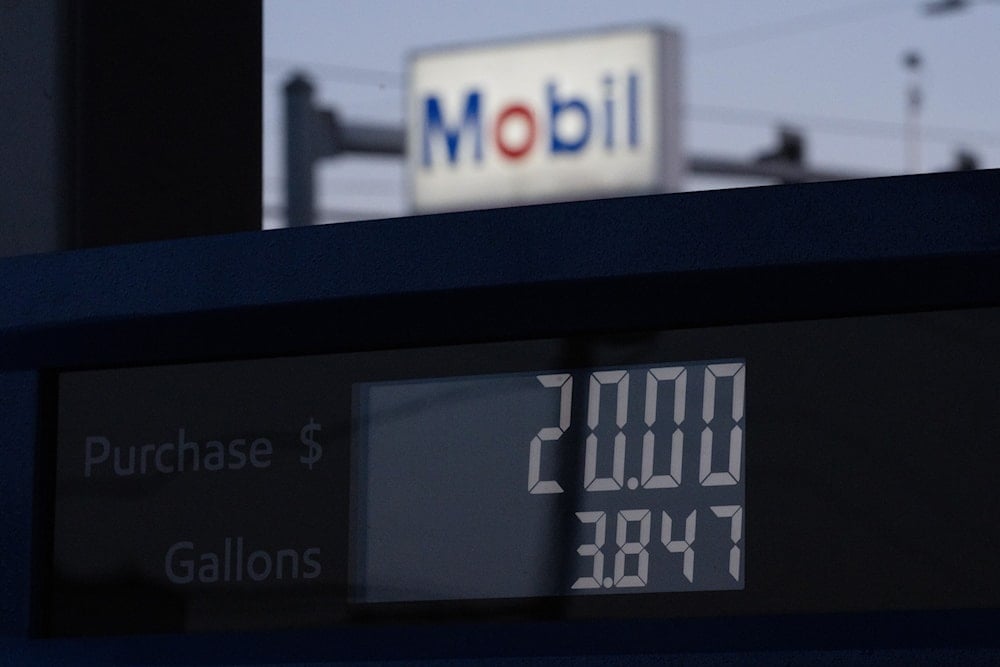
A display shows $20 for gasoline on a gas pump at a Mobil gas station on Wednesday, April 29, 2026, in Portland, Oregon. (AP)
Oil prices climbed sharply after the United States and Iran failed to reach an agreement on a US-backed proposal related to ending the ongoing war, while continued disruptions in the Strait of Hormuz intensified fears over global energy supplies.
Brent crude rose more than 3% to surpass $104 per barrel, while US West Texas Intermediate also recorded strong gains, reflecting growing market anxiety over prolonged instability in West Asia.
The latest surge comes as the Strait of Hormuz remains largely inaccessible to normal oil transit, tightening supplies and increasing pressure on global energy markets.
Trump rejects Iranian response
US President Donald Trump dismissed on Sunday Tehran’s response to Washington’s proposal for renewed talks, describing it as “unacceptable,” effectively dimming expectations for a near-term breakthrough.
Iran’s response to the latest US proposal includes demands for an immediate end to the economic siege imposed on the nation, alongside guarantees securing freedom for Iranian oil exports, diplomatic sources told Al Mayadeen.
According to the sources, Tehran’s written response, transmitted through Pakistani mediators, stresses that any agreement with Washington must include the immediate termination of the war upon its announcement.
Iran also reiterated demands for the lifting of US sanctions, the release of frozen Iranian assets abroad, and the removal of restrictions imposed by the US Office of Foreign Assets Control (OFAC) targeting Iranian oil sales.
The sources said Tehran views the economic pressure campaign as inseparable from broader US military and political escalation in the region.
The failure to advance negotiations has reinforced concerns that the US-Iran standoff, now stretching into its third month amid the broader US-Israeli war on Iran, could continue destabilizing energy flows through one of the world’s most critical maritime routes.
Analysts say hopes for a rapid reopening of Hormuz had briefly eased market fears, but the latest political impasse has shifted attention back toward supply risks and regional escalation.
Read More: Trump rejects Iran’s response to latest US proposal
China emerges as key diplomatic factor
Attention is now turning toward Trump’s upcoming visit to Beijing, where discussions with Chinese President Xi Jinping are expected to include the situation surrounding Iran and the Strait of Hormuz.
Observers believe Washington may attempt to pressure Beijing into using its influence with Tehran to push for a broader ceasefire arrangement and restore energy flows through the region.
China, however, has repeatedly criticized US pressure tactics and unilateral sanctions on Iran, while emphasizing dialogue and regional stability over coercive measures.
Read More: Beijing rejects leveraging US-China summit to pressure Iran
Energy markets remain under strain
Saudi Aramco CEO Amin Nasser warned that the global market has effectively lost around one billion barrels of oil over the past two months due to the crisis, cautioning that stabilization will take time even if shipments resume.
Shipping disruptions continue to affect regional exports, with reports indicating that some tankers crossing Hormuz have begun disabling tracking systems in an attempt to avoid attacks and navigate heightened security risks.
The ongoing instability has reinforced fears of a prolonged global energy shock, as traders monitor both diplomatic developments and the evolving military situation in West Asia.
Read More: Global oil lost 1bn barrels since war on Iran: Aramco


