
Trump plans CEO delegation for China visit talks
 3 Min Read
The Donald Trump administration is reportedly inviting top US CEOs to join an upcoming trip to Beijing for talks with Xi Jinping, signaling a coordinated push to align business interests with diplomatic efforts.
-
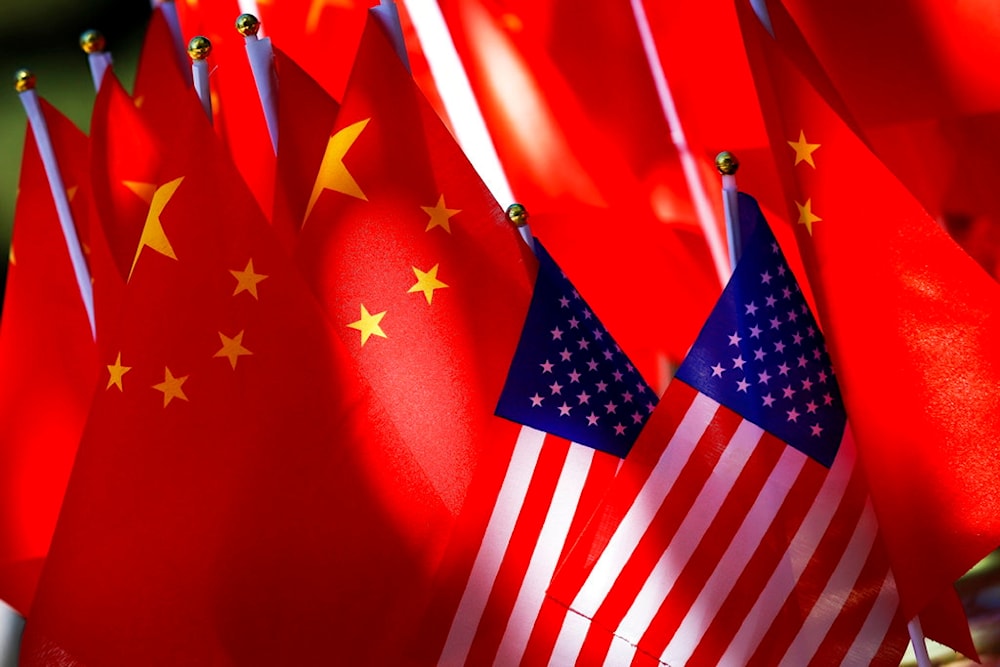
In this Sept. 16, 2018, file photo, American flags are displayed together with Chinese flags on top of a trishaw in Beijing. (AP)
The United States is preparing to include leading corporate figures in President Donald Trump’s upcoming trip to Beijing, according to a report by Semafor published Thursday, citing a source familiar with the matter.
The plan involves inviting chief executives from some of the country’s largest companies to accompany the president during his visit. Those expected to be included represent key sectors of the US economy, ranging from technology and energy to finance and manufacturing.
Among them are top executives from Nvidia, Apple, ExxonMobil, and Boeing. Additional invitations have reportedly been extended to firms such as Qualcomm, Blackstone, Citigroup, and Visa, with further names potentially to follow.
The list of participants has been shaped through consultations involving senior officials, including Treasury Secretary Scott Bessent, US Trade Representative Jamieson Greer, and US Ambassador to China David Perdue, the report added, citing individuals familiar with the process.
Trump is scheduled to travel to Beijing on May 14-15, where he is expected to meet with Chinese President Xi Jinping. The visit had initially been planned for late March and early April but was delayed amid developments linked to the war on Iran.
Corporate diplomacy push
The inclusion of major corporate leaders points to a broader effort to align business interests with diplomatic engagement at a time of heightened economic and geopolitical strain. The companies involved reflect key areas of friction and interdependence in US-China relations, particularly in semiconductors, supply chains, energy, and financial services.
Firms such as Nvidia and Qualcomm operate at the center of ongoing export restrictions on advanced chips, while Apple’s manufacturing footprint in China underscores the sensitivity of global supply chains to political tensions.
At the same time, Boeing’s access to the Chinese aviation market and ExxonMobil’s exposure to global energy demand highlight sectors where commercial ties remain significant despite broader rivalry. Financial institutions including Citigroup, Blackstone, and Visa also point to unresolved issues surrounding market access and regulatory conditions in China’s financial system.
Strategic coordination
The involvement of senior economic and trade officials suggests a coordinated approach that links corporate participation with policy objectives, including trade negotiations, investment conditions, and strategic industry concerns.
The timing of the visit, following delays tied to tensions around Iran, also reflects the intersection between geopolitical instability and economic diplomacy, particularly as disruptions to energy markets and trade routes continue to shape global conditions.
Read more: Beijing rejects leveraging US-China summit to pressure Iran: Source


