
Oil tops $100 as US Hormuz threats trigger global market turmoil
 3 Min Read
Rising energy prices and renewed geopolitical uncertainty weigh on equities, as traders assess the economic fallout from potential shipping disruptions and inflation pressures.
-
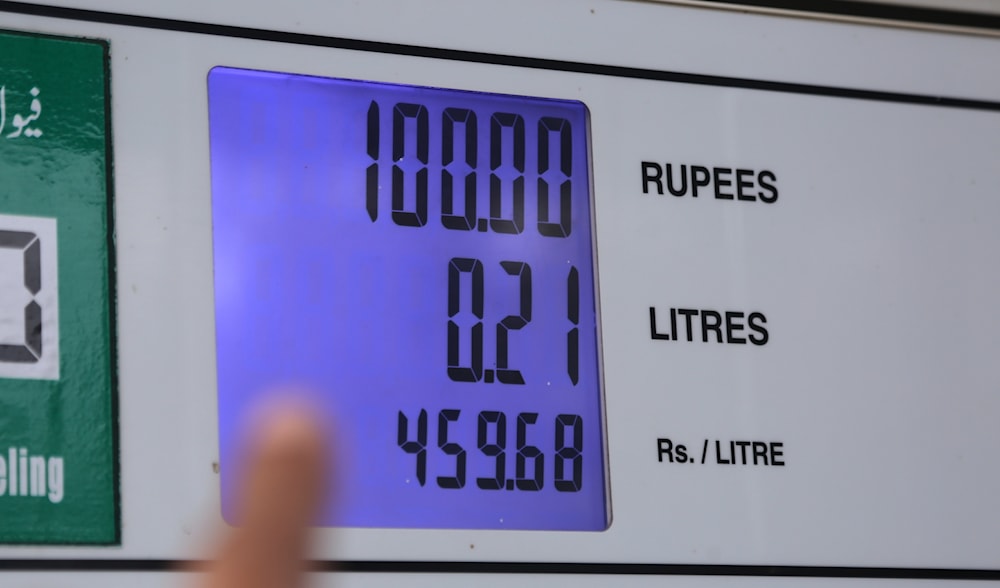
A motorcyclist points to the display at a fuel station as he buys fuel after the government increased fuel prices amid surging global oil prices due to the war on Iran, in Peshawar, Pakistan, April 3, 2026 (AP)
Oil prices jumped back above $100 per barrel on Monday, while global stock markets declined as investors reacted to an approaching US deadline linked to a potential blockade of the Strait of Hormuz. The move intensified concerns over energy supply disruptions from West Asia.
The renewed geopolitical tension follows failed ceasefire talks between Washington and Iran over the weekend, undermining expectations of a lasting resolution to a war already weighing on the global economy.
Market participants say the risk of rising inflation driven by higher oil prices and supply shortages is shifting attention toward corporate earnings, with several major listed companies set to release first-quarter results this week.
Global markets rattled as US blockade plans fuel inflation fears
On Friday, US data showed the consumer price index rose to 3.3 percent in March, marking its highest level since May of the previous year.
Investment analyst Russ Mould of AJ Bell said fears of stagflation are returning, as geopolitical instability threatens economic growth while also increasing inflationary pressure.
Concerns have further escalated as the United States prepares to begin a partial blockade of the Strait of Hormuz at 1400 GMT Monday. The waterway is a critical route for global energy shipments, carrying around one-fifth of the world’s oil and gas.
US Central Command stated on X that the blockade would be enforced uniformly against all vessels entering or leaving Iranian ports and coastal areas, including those in the Gulf and Gulf of Oman.
The announcement comes after Tehran has already effectively controlled movement through the strait since the start of US-Israeli aggression on Iran in late February.
Oil prices rose by about seven percent on Monday, while US stock markets opened lower, mirroring declines in Asia and Europe.
Analyst David Morrison of Trade Nation said reopening the Strait of Hormuz is essential for restoring stability in risk assets, though markets still believe the war may not last long.
He noted that futures contracts for oil deliveries later in the year remain significantly lower than current prices, suggesting expectations of easing tensions ahead.
Morrison added that oil traders may see the war as relatively short-term, despite its current duration of several weeks.
Germany warns of long energy shock as Hungary markets rally on shift
Germany’s Chancellor Friedrich Merz warned that Europe’s largest economy will continue to feel the effects of the energy shock long after the war ends, while announcing measures including a fuel tax reduction.
In Hungary, markets moved in the opposite direction, with stocks rising after opposition leader Peter Magyar secured a decisive parliamentary victory, ending Viktor Orban’s 16-year rule and signaling closer ties with the European Union. The BUX index gained more than three percent.
Economists at ING suggested that Hungary’s new government could move toward adopting the euro, a step that could strengthen investor confidence and support economic reforms.
Read next: Oil tankers avoid Hormuz after Trump's blockade threats


