
UAE exits OAPEC after earlier withdrawal from OPEC+ blocs
 2 Min Read
UAE withdraws from OAPEC weeks after exiting OPEC+, signaling a shift toward independent oil policy and expanded production strategy.
-
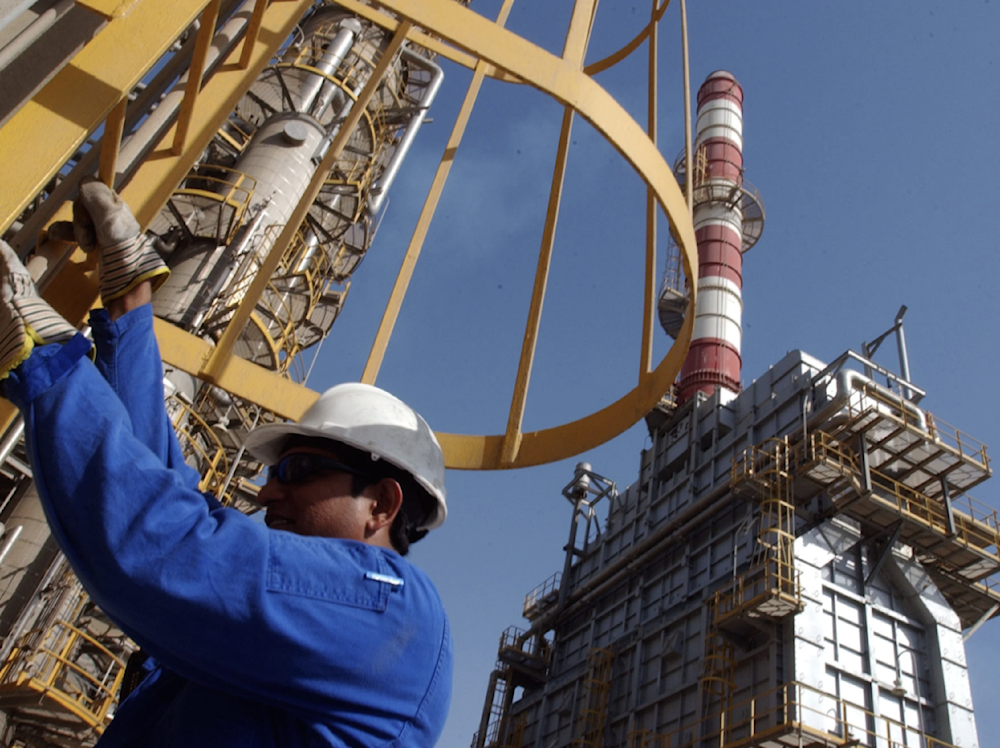
An oil technician climbs down a tower at a refinery in Jebel Ali, United Arab Emirates, about 30 kilometers (18 miles) south of Dubai, in March 2004. (AP)
The United Arab Emirates has withdrawn from the Organization of Arab Petroleum Exporting Countries (OAPEC), according to an official statement issued Sunday, marking another step in Abu Dhabi’s pivot toward an independent energy strategy.
The move follows the UAE’s surprise announcement on April 28 that it would also exit the OPEC and OPEC+ producer alliances, as it seeks to prioritize increasing its own oil output without being bound by collective frameworks.
The UAE's announcement on Tuesday that it would leave the oil producers' group represents more than a simple dispute over output quotas, which Gulf sources say Abu Dhabi views as unfairly tilted against its interests. Political analysts describe the move as part of a deeper rupture in ties where the UAE is prioritizing autonomy over deference to Riyadh, using its oil production as a tool to express independence and signal that it will not accept dictates from Saudi Arabia.
OAPEC, founded in 1968, was established to enhance cooperation among Arab oil-exporting states, though it does not set production quotas like OPEC. The UAE’s departure therefore reflects less of a structural break and more of a political and strategic repositioning within the regional energy landscape.
The back-to-back withdrawals underscore a broader recalibration by Abu Dhabi, as it aims to maximize production capacity and navigate shifting global energy dynamics, particularly amid volatility linked to the ongoing US-Israeli war on Iran and disruptions in key maritime routes.


