
UK fuel theft hits £200,000 daily as war on Iran inflates energy costs
 4 Min Read
Fuel theft at UK petrol stations has risen 20% following the oil crisis resulting from the war on Iran, with stolen fuel reaching an estimated £194,000 per day amid rising prices.
-
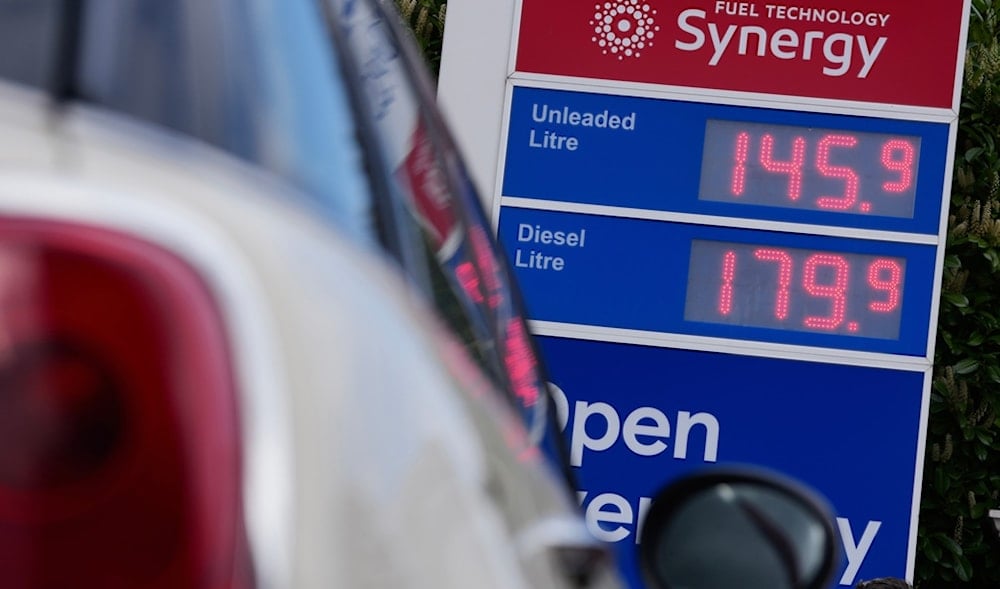
Prices are shown on a board at a gas station in London, England, on March 30, 2026. (AP)
British petrol stations are facing a sharp increase in fuel theft, with motorists estimated to be taking nearly £200,000 worth of fuel every day without payment as rising pump prices linked to the global oil crisis place additional pressure on consumers.
An analysis by fuel theft prevention company Forecourt Eye found that incidents of fuel taken without payment increased by 20% in the five months following the start of the US aggression against Iran on February 28, compared with the previous five-month period.
The value of stolen fuel also rose significantly during the same period, increasing by 48% to an average daily loss of around £194,000 across the UK’s 8,359 petrol stations.
Forecourt Eye’s analysis showed that first-time offenders accounted for a notable share of the increase, with incidents involving new offenders rising by 23% and the amount of fuel stolen increasing by 26%.
Repeat offenders also recorded increases, with incidents rising by 17% and stolen fuel volumes increasing by 20%.
The figures were compiled from a representative sample of 550 forecourts and encompassed both drive-offs, where motorists departed without attempting payment, and incidents in which customers reported being unable to complete payment.
Rising fuel costs put pressure on UK drivers
The increase in fuel theft comes as petrol and diesel prices have climbed sharply. The average price of petrol reached 160 pence per litre on Friday, around 27 pence higher than before the conflict and the highest level recorded in three and a half years.
Diesel prices also rose significantly, reaching around 179 pence per litre, approximately 37 pence more than before the war.
Forecourt Eye said it has partnered with Facewatch to provide customers with crime-reporting technology designed to improve the detection and documentation of fuel theft, shoplifting, and other criminal incidents. The company added that users will also have the option to join Facewatch's live facial recognition network, which issues alerts when known offenders are identified.
Managing Director Michelle Henchoz said rising fuel theft had become more organized and sophisticated, requiring operators to adopt technology that could help protect petrol stations and convenience stores.
"As offending becomes more organised and more sophisticated, operators need joined-up technology that helps them protect both their forecourt and their convenience store," Henchoz said.
Independent petrol stations bear the cost of fuel theft
Gordon Balmer, executive director of the Petrol Retailers Association, said independent forecourts were experiencing rising levels of abuse and aggression from customers frustrated by fuel prices.
He said retailers had no influence over pump prices and welcomed efforts to introduce technologies that could help prevent crime and support police investigations.
Ben Lawrence, a director at Lawrences Garages, which operates five petrol stations in Norfolk and Hampshire, said rising living costs had changed the nature of fuel theft.
He told the Press Association that fuel theft was previously often associated with people involved in other crimes, but that this was no longer always the case due to financial pressures.
Lawrence said there was also a misconception that petrol stations carrying major oil company branding, such as BP and Shell, were operated directly by those companies.
He warned that unpaid fuel often directly affects smaller businesses rather than large oil corporations. "When someone drives off (after taking fuel worth) £80-£90, it’s hitting us, not the oil companies," he said, adding, "We’ve already purchased it."
Read more: Oil prices tumble over 5% amid US war on Iran pause


