
Exxon, Chevron expect fuel prices to stay high amid war on Iran
 4 Min Read
The elevated prices are expected to last as the war on Iran continues to disrupt crude shipments, tighten refined-product supplies, and increase refining margins.
-
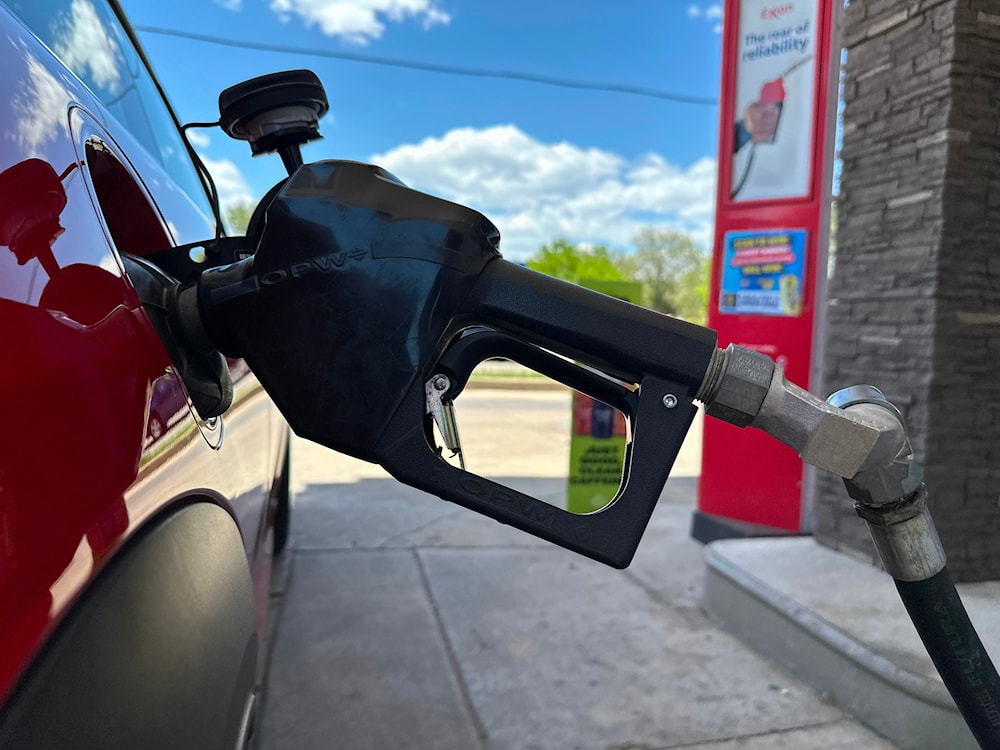
A pump fills up the tank of a vehicle at an Exxon gasoline station in Littleton, Colo., Tuesday, May 12, 2026 (AP)
ExxonMobil and Chevron expect global fuel prices to remain elevated in the second half of the year as the war on Iran continues to disrupt energy markets, Reuters reported on Friday.
The two largest US oil producers recorded sharp increases in refining profits during the second quarter, benefiting from tightening fuel inventories, reduced exports from China, and outages affecting refineries in Russia.
Chevron Chief Executive Mike Wirth said the pressure on refined-product markets could extend well beyond the current quarter.
"We're going to see some upward pressure on product pricing ... into the third quarter and perhaps beyond that," Wirth said during the company’s earnings call.
He added that long-term demand for distillates, including diesel and heating oil, was unlikely to weaken significantly.
Refining margins rise as consumers face higher prices
The disruption has allowed refiners to earn larger margins from converting crude oil into gasoline, diesel, and other fuels. Consumers, however, are bearing the cost through higher prices at filling stations.
US gasoline prices climbed above $4 per gallon again last week, creating additional political pressure on President Donald Trump and the Republican Party ahead of the November midterm elections, when control of Congress will be contested.
Exxon and Chevron said they were operating their US facilities at high levels to increase fuel supplies and limit further pressure on the market.
Exxon reported that its domestic refineries ran at high capacity and produced a record amount of diesel during the second quarter. Chevron, meanwhile, said throughput at its US refineries exceeded one million barrels per day, also marking a company record.
Despite the high production levels, company executives warned that refineries cannot continue operating at maximum capacity indefinitely because facilities must periodically be taken offline for inspections and maintenance.
Hormuz disruptions deepen global supply problems
Exxon Chief Executive Darren Woods stressed that the restoration of regular shipping through the Strait of Hormuz would be necessary to bring additional crude supplies into global markets.
"The utilization that we've seen can't be sustained for the long term. So I think this refining challenge is going to be with the world for a while," Woods said during an interview for CNBC.
The Strait of Hormuz is one of the world’s most important energy corridors, linking Gulf oil and gas producers with international markets. Disruptions caused by the war on Iran have complicated crude deliveries and increased pressure on refiners already struggling with reduced product inventories.
Woods said Exxon operates the world’s largest refining network outside China, but noted that interruptions to crude supplies were creating further difficulties for the company’s downstream operations.
The continuing supply problems come as refiners prepare to conduct scheduled maintenance, which will temporarily reduce production capacity.
Chevron expects maintenance and refinery downtime during the third quarter to lower its downstream earnings by between $175 million and $225 million. Exxon said its planned maintenance activity would decline compared with the second quarter.
Oil majors post stronger refining earnings
Exxon’s adjusted downstream earnings rose to $4.1 billion during the second quarter as refining margins strengthened.
However, RBC Capital Markets analyst Biraj Borkhataria said some investors may have anticipated even higher profits because of Exxon’s extensive global refining operations.
Exxon narrowly fell short of analysts’ overall second-quarter earnings estimates, while Chevron exceeded market expectations.
Exxon shares declined by approximately 1% following the results, while Chevron shares gained around 2%.
The companies’ warnings suggest that motorists and industries dependent on diesel and other refined fuels could continue facing elevated costs as long as the war disrupts regional crude exports and shipping through the Strait of Hormuz.
Read more: War on Iran costs Americans $41.5bln in higher fuel prices


