
US strikes on Iran push oil prices higher, threaten Hormuz shipping
 3 Min Read
US strikes on Iran and Tehran’s retaliatory response have driven oil prices higher, raising concerns over shipping through the Strait of Hormuz and global energy supplies.
-
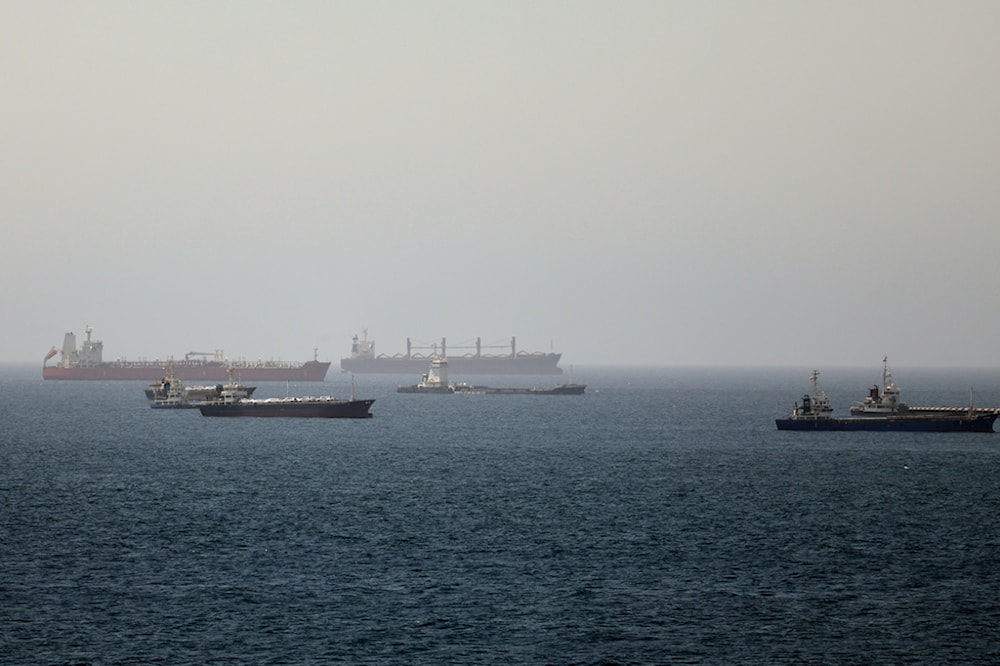
Tankers and cargo vessels are seen in the Gulf of Oman, along shipping routes linking the Strait of Hormuz and the Arabian Sea, Tuesday, June 16, 2026. (AP Photo)
US strikes on Iran and Tehran’s subsequent retaliatory actions have pushed oil prices higher and placed renewed pressure on shipping through the Strait of Hormuz.
The escalation follows an operation announced by US Central Command, which said it struck more than 80 targets in Iran early on Wednesday.
Iran responded to the aggression by reaffirming its control over traffic in the Strait of Hormuz and announcing retaliatory strikes against US military positions in Bahrain and Kuwait.
Tehran said the attacks targeted 85 US military sites, warning that Washington’s actions would be met with a "crushing response".
Read more: Iran rejects Qatar's accusations over Hormuz tanker incident
US strikes on Iran trigger retaliatory response in Gulf
The latest escalation has raised concerns over a wider confrontation in the region, with the Strait of Hormuz becoming a focal point due to its role in global energy transportation.
The Trump administration also revoked a waiver that had allowed Iranian oil sales following reported attacks on three commercial vessels near the waterway.
The reported incidents involved three commercial ships, including a Saudi oil tanker and a Qatari liquefied natural gas carrier off the coast of Oman. Tehran has not claimed responsibility for the attacks.
The developments have placed additional pressure on maritime traffic through the strait, where Iran has repeatedly emphasized its strategic role and security interests.
Iran's Parliament Speaker Mohammad Bagher Ghalibaf stated that Washington's aggressive actions violated multiple provisions of the memorandum between Tehran and the United States.
He listed out a series of US violations in a post on X, including interference in Iran's adjustments to the Strait of Hormuz. "The era of bullying and extortion is over. It leads nowhere. We don’t fold," Ghalibaf wrote.
Major MOU Violations by the US:
— محمدباقر قالیباف | MB Ghalibaf (@mb_ghalibaf) July 8, 2026
Violating Iranian adjustments in the Strait
Persistent threats of further strikes
Reinstating oil sanctions
Attacks on southern Iran
Continued Zionist aggression on🇱🇧
The era of bullying and extortion is over. It leads nowhere. We don’t fold.
Hormuz shipping recovery faces renewed disruption
The escalation threatens a tentative recovery in commercial shipping through the Strait of Hormuz.
According to maritime data company Kpler, 36 vessels passed through the strait in both directions on Monday. Before the escalation, more than 100 ships routinely crossed the narrow waterway between Iran and Oman each day.
Brent crude oil, the international benchmark, rose nearly 6% on Wednesday, climbing above $76 per barrel and reaching its highest level in two weeks.
The increase pushed oil prices above their prewar level of around $72 per barrel, where they had remained for several days.
West Texas Intermediate (WTI), the US benchmark, also increased to around $72 per barrel.
US gasoline prices have also remained elevated. The national average stood at $3.79 per gallon on Tuesday, according to AAA, more than 27% higher than before the war began in late February.
Read more: No final deal with US unless 'Israel' withdraws from Lebanon: Araghchi
Markets monitor consequences of Iran escalation
Global stock markets showed mixed movement on Wednesday as investors assessed the impact of the Gulf escalation while continuing to focus on technology companies and artificial intelligence investments.
Markets in Japan and South Korea declined, while Hong Kong and Shanghai recorded gains. Futures for major US and European indexes remained largely unchanged before trading.
Technology shares have faced pressure in recent sessions amid concerns that major artificial intelligence investments may not deliver expected returns, with semiconductor companies among those affected.


