
Venezuela plans oil reforms to boost production, attract investors
 5 Min Read
Venezuela plans to boost oil production by 18% through reforms to open the sector to private investors, according to PDVSA’s chief.
-
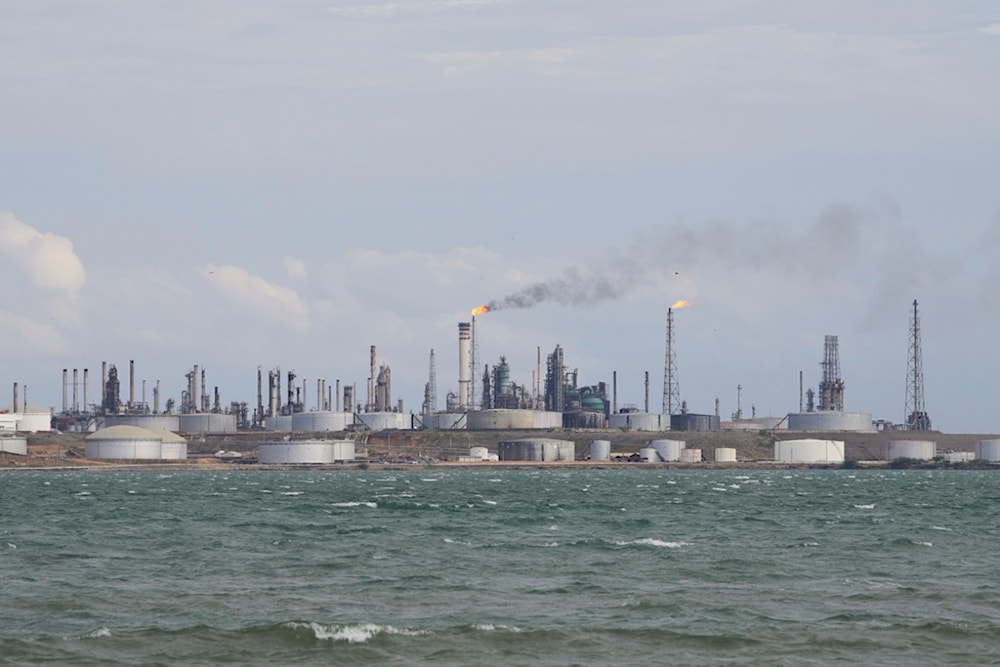
The Amuay oil refinery operates in Los Taques, Venezuela, on Wednesday, January 14, 2026 (AP)
Venezuela aims to increase its oil production by 18% this year through planned reforms that would fully open the sector to private investors, the head of the state oil company said on Saturday.
“We had a law that was not up to date with what we needed as an industry,” PDVSA CEO Hector Obregon said, adding that the production target for 2026 is growth of at least 18%.
Speaking from the Puerto La Cruz refinery in eastern Venezuela, Obregon said proposed reforms to the Organic Hydrocarbons Law would update the legal framework governing the oil industry to provide legal certainty for private investors.
The reforms were proposed by interim president Delcy Rodriguez and approved in a first parliamentary reading on Thursday. Analysts said the draft law was prepared under pressure from Washington following the abduction of Venezuelan President Nicolas Maduro from Caracas by US forces during a raid and air strikes on January 3. The law is expected to be passed next week.
Years of sanctions hurt Venezuela oil sector
Venezuela currently produces around 1.2 million barrels per day and holds about one-fifth of the world’s oil reserves. However, production has declined sharply over the past two decades, falling from more than 3 million barrels per day in the early 2000s to a low of 350,000 barrels per day in 2020, following years of US sanctions that made Caracas unable to sell its oil or sell it at a lower price than the global market.
If adopted, the legislation would roll back decades of state control over the oil sector that were expanded under the late President Hugo Chavez in the mid-2000s.
US President Donald Trump has openly expressed interest in Venezuela’s oil after he abducted the country's president, with his administration stating it is taking over sales of the country’s crude. This week, Rodriguez said Venezuela received an initial $300 million transfer following the sale of its oil by the United States.
Under the proposed law, oil exploitation would no longer be limited to the state or joint ventures with majority state ownership. Private companies domiciled in Venezuela would be permitted to exploit oil resources after signing contracts.
“The main idea behind the hydrocarbons law and its reform is for us to increase oil production,” said National Assembly President Jorge Rodriguez, who is also the brother of the acting president. “What is the primary objective? To adapt to a situation that allows us to extract the oil from the land that belongs to all Venezuelan women and men.”
Oil price hikes after removal of sanctions
US Energy Secretary Chris Wright said Venezuelan oil was sold at prices about 30% higher than the prices at which it was sold weeks earlier, which Caracas was forced to do due to decades of draconian US sanctions.
The first shipment of Venezuelan oil purchased by Vitol and Trafigura has arrived at the Bullen Bay terminal in Curaçao, Prime Minister Gilmar Pisas said, with the site designated as a key storage and distribution hub.
During a White House meeting last week with senior executives from major oil companies, Trump demanded that the industry invest at least $100 billion to "rebuild" Venezuela's energy sector, which would mean total US control over the vital sector, as well as the overhauling of the country's infrastructure, which largely deteriorated due to years of US sanctions aimed at crippling the country's economy.
Trading giants position themselves as middlemen
While major oil producers hesitate, global commodity trading houses have moved aggressively to secure their role in marketing Venezuelan crude. Vitol and Trafigura have obtained preliminary special licenses from the US government to negotiate and export Venezuelan oil for up to 18 months, positioning themselves as the primary intermediaries in Washington's oil sales operation.
Both trading giants are now actively courting buyers in Asia, holding early-stage discussions with major refiners in India and China over potential Venezuelan crude purchases. The companies contacted large Asian buyers over the weekend, though talks remain exploratory with no formal offers yet made.
The outreach to Asian markets represents an ironic twist: China absorbed the bulk of Venezuelan oil exports during the sanctions era, often purchasing at steep discounts while the US sought to isolate Caracas economically. Now Washington is effectively marketing the same oil to the same buyers, but with American traders collecting commissions and US authorities controlling the proceeds.


