
Trump to repeal EPA’s climate threat finding
 4 Min Read
The Trump administration plans to repeal the EPA’s endangerment finding, the scientific basis for regulating greenhouse gas emissions, marking the administration’s most sweeping climate policy rollback.
-
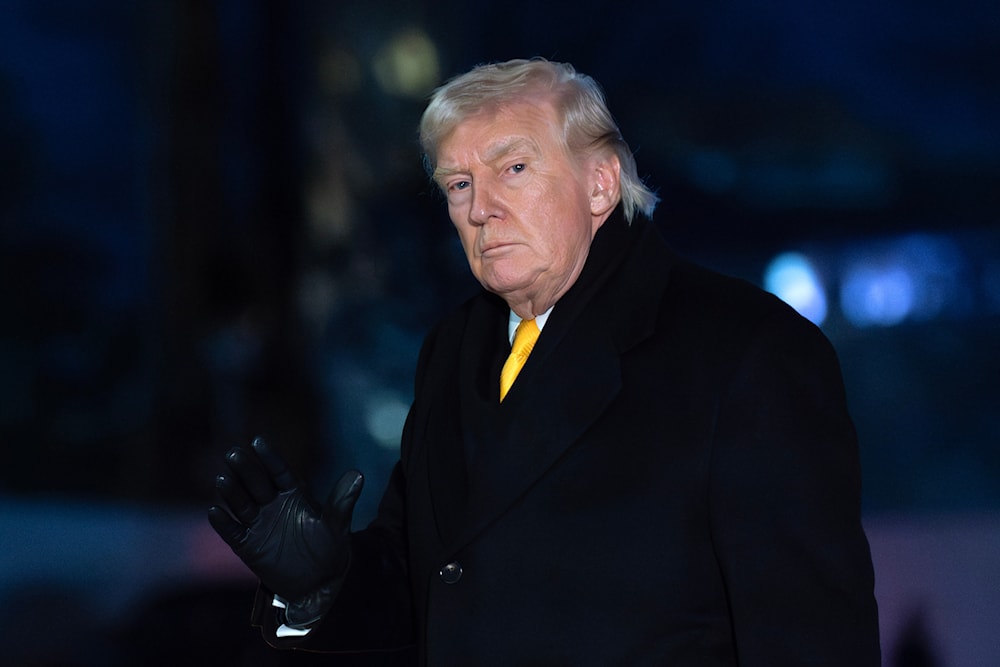
US President Donald Trump waves to the media as he walks on the South Lawn upon his arrival at the White House, on February 9, 2026, in Washington. (AP Photo/Jose Luis Magana)
The Trump administration is preparing to repeal the Environmental Protection Agency’s (EPA) endangerment finding, an Obama-era scientific determination that greenhouse gas emissions pose a threat to human health. The EPA confirmed on Monday that the repeal will be published later this week.
The endangerment finding has served as the legal foundation for federal greenhouse gas regulations, including vehicle emission standards. Removing it would mark the most sweeping climate policy rollback under the Trump administration.
According to the The Wall Street Journal (WSJ), EPA Administrator Lee Zeldin described the move as "the largest act of deregulation in the history of the United States." The administration has been working on the repeal for over a year, with the rule sent to the White House Office of Management and Budget for review on January 7.
Read next: Trump administration withdraws from COP28 loss and damage deal
If finalized, the repeal would eliminate regulatory requirements related to measuring, reporting, and complying with greenhouse gas (GHG) emissions standards for vehicles. However, it would not apply to stationary sources such as power plants, EPA officials said.
An agency spokesperson stated that both the Obama and Biden administrations used the endangerment finding to justify "trillions of dollars" in GHG regulations covering new vehicles and engines.
Legal challenges and industry reactions
However, the repeal is set to face significant legal challenges. On January 30, a federal court ruled that the Department of Energy had violated the law in forming a climate science advisory group whose findings were intended to support the EPA’s repeal. The court’s decision may weaken the legal standing of the final rule.
Industry responses have been mixed. While many trade groups support the rollback of vehicle emission standards, few have publicly endorsed repealing the endangerment finding altogether, citing legal and regulatory uncertainties.
Last month, the American Petroleum Institute voiced conditional support. It backed repealing the finding for vehicles but argued it should remain in place for stationary sources, especially due to EPA obligations to regulate methane, a potent greenhouse gas emitted by the oil and gas sector.
Trump cracks down on US climate efforts
Since taking office on January 20, 2025, Trump has targeted climate agencies and agreements, dismissing climate change as a "hoax" while repeatedly advocating for the expansion of fossil fuel use.
Trump signed an executive order on the night of his inauguration, withdrawing from the World Health Organization and the Paris Climate Agreement, indicating his administration's opposition to global climate action efforts. He then withdrew from the Paris Climate Agreement for the second time last month.
Trump's administration fired hundreds of employees at the National Oceanic and Atmospheric Administration (NOAA), which leads climate research under the Department of Commerce, on February 25, 2025.
The US administration started removing any mention of the climate change crisis from federal government websites in February last year, including the Department of Defense's climate portal, as well as pages from the official White House and Department of Agriculture websites.
It is also worth mentioning that before his inauguration, Trump nominated Chris Wright as his Secretary of Energy, claiming that Wright would "drive innovation, cut red tape, and usher in a new 'Golden Age of American Prosperity and Global Peace."
Wright is an outspoken skeptic of climate change: "There is no climate crisis, and we are not in the midst of an energy transition either," he asserted in a 2023 LinkedIn post, while dismissing "carbon pollution" as outrageous, and claiming that all life forms require carbon dioxide.


