
AI deepfakes use fake doctors to push unproven supplements online
 5 Min Read
AI-generated deepfake videos are impersonating real doctors on TikTok and other platforms to promote unproven menopause supplements, raising alarms over medical misinformation and weak platform enforcement.
-
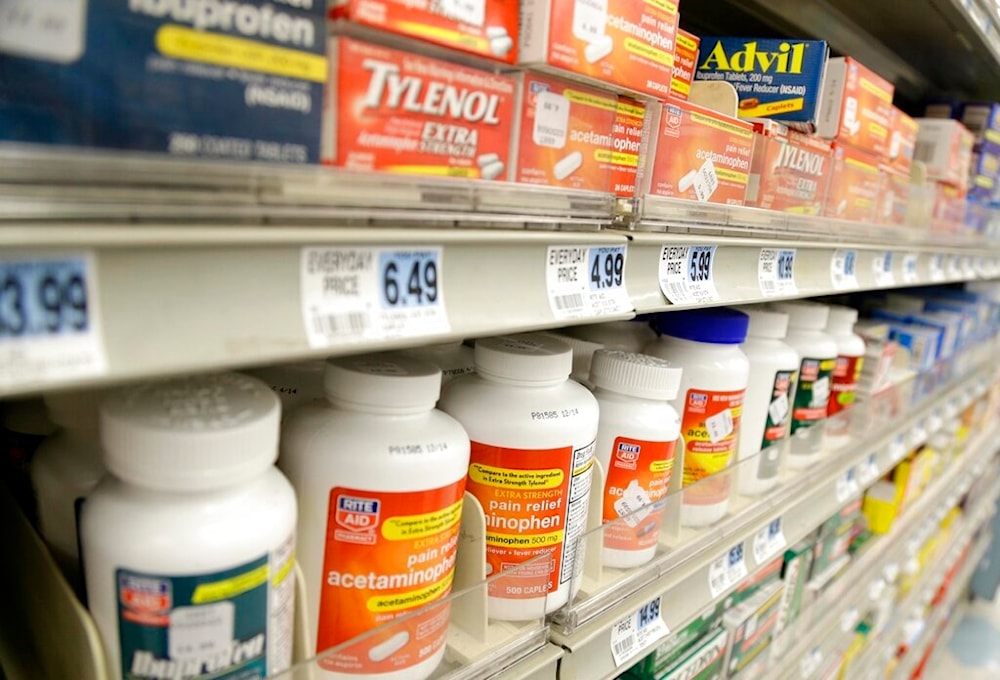
Non-prescription drugs are displayed at a pharmacy in New York, Sunday, March 10, 2013. (AP)
AI-powered manipulation tools are being used to fabricate video endorsements from well-known medical figures, with TikTok and other major platforms flooded by deepfakes pushing supplements and unverified health advice to women.
An investigation by the UK factchecking organization Full Fact uncovered hundreds of clips in which artificial intelligence was used to mimic the appearance and voice of doctors and influencers. The fabricated speakers all direct viewers toward a US supplements retailer called Wellness Nest.
In each case, authentic footage of health experts was taken from the internet and digitally reconstructed so that the individuals appear to promote products for menopausal women, including probiotics and Himalayan shilajit. Full Fact published the findings on Friday, warning of a rapidly expanding ecosystem of AI-driven medical misinformation.
“This is certainly a sinister and worrying new tactic,” factchecker Leo Benedictus, who led the inquiry, told The Guardian. He noted that deepfake creators rely on AI so that “someone well-respected or with a big audience appears to be endorsing these supplements to treat a range of ailments”.
Deepfake doctor scam
Among those targeted was Prof David Taylor-Robinson of Liverpool University, a specialist in child health. He was stunned in August to learn that 14 fake clips on TikTok showed a digital clone of him dispensing advice on menopause, including a fabricated condition labelled “thermometer leg”. One video depicts the simulated version of him encouraging women to purchase a “natural probiotic” from Wellness Nest that allegedly contains “10 science-backed plant extracts, including turmeric, black cohosh, Dim [diindolylmethane] and moringa, specifically chosen to tackle menopausal symptoms”.
The fictional doctor goes on to say: “Female colleagues ‘often report deeper sleep, fewer hot flushes and brighter mornings within weeks’.”
Taylor-Robinson said he became aware of the impersonation only because a colleague happened to see one of the videos. “It was really confusing to begin with – all quite surreal,” he said. “My kids thought it was hilarious.
“I didn’t feel desperately violated, but I did become more and more irritated at the idea of people selling products off the back of my work and the health misinformation involved.”
The footage used to create the altered videos was scraped from two public appearances: a 2017 Public Health England conference and a parliamentary hearing this year on child poverty. One of the fabricated clips even spliced in swearwords and misogynistic remarks that he never uttered.
Although Taylor-Robinson asked the platform to remove all the deepfakes, TikTok took six weeks to eliminate them. “Initially, they said some of the videos violated their guidelines but some were fine. That was absurd, and weird, because I was in all of them and they were all deepfakes. It was a faff to get them taken down,” he said.
Fabricated health endorsements
Full Fact also found eight manipulated videos featuring Duncan Selbie, former chief executive of Public Health England, all derived from the same 2017 event. In one clip, the AI-generated Selbie also discusses “thermometer leg”. Selbie described the result as “an amazing imitation”, adding: “It’s a complete fake from beginning to end. It wasn’t funny in the sense that people pay attention to these things.”
The investigation located similar content on X, Facebook and YouTube, all driving traffic to Wellness Nest or its UK-linked counterpart. Deepfakes of well-known doctors such as Prof Tim Spector and the late Dr Michael Mosley were also circulating.
In a statement to Full Fact, Wellness Nest said the videos pushing viewers to its website were “100% unaffiliated” with the company. It insisted it had “never used AI-generated content”, arguing that affiliates around the world act independently and cannot be monitored.
Deepfake crackdown
The findings prompted a political response, with Liberal Democrat health spokesperson Helen Morgan warning: “From fake doctors to bots that encourage suicide, AI is being used to prey on innocent people and exploit the widening cracks in our health system.
“Liberal Democrats are calling for AI deepfakes posing as medical professionals to be stamped out, with clinically approved tools strongly promoted so we can fill the vacuum.
“If these were individuals fraudulently pretending to be doctors they would face criminal prosecution. Why is the digital equivalent being tolerated?
“Where someone seeks health advice from an AI bot they should be automatically referred to NHS support so they can get the diagnosis and treatment they actually need, with criminal liability for those profiting from medical disinformation.”
A TikTok spokesperson confirmed that the deepfake clips involving Taylor-Robinson and Selbie had been removed for violating platform rules on impersonation and harmful misinformation.
“Harmfully misleading AI-generated content is an industry-wide challenge, and we continue to invest in new ways to detect and remove content that violates our community guidelines,” the spokesperson said.
Read more: AI threatens press freedom: UN warns of growing dangers to journalists


