
At least 10 people have committed suicide in ICE detention: Probe
 3 Min Read
An AP investigation reports a sharp rise in suicides among US ICE detainees since 2025, raising concerns over mental health care, isolation practices, and detention conditions across facilities.
-
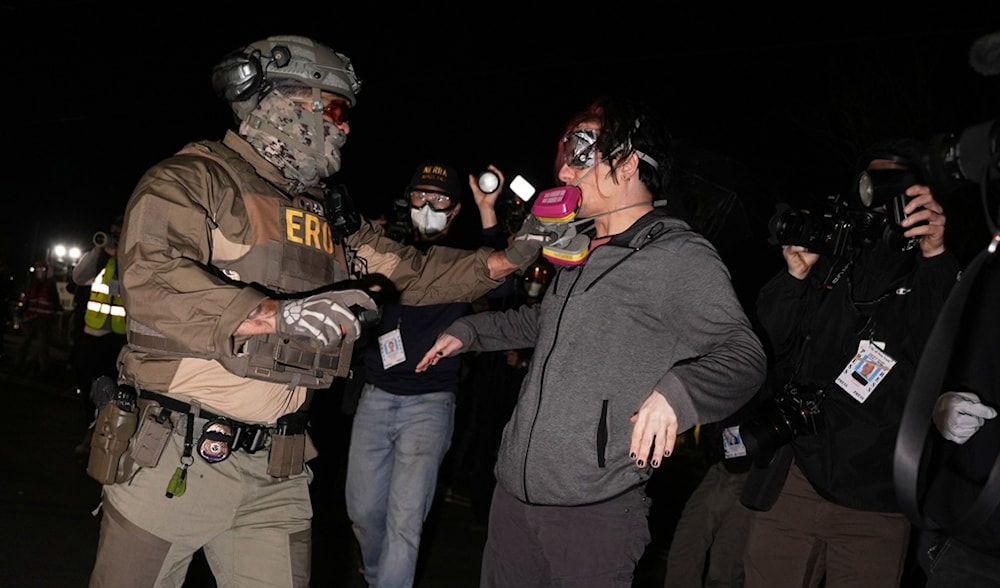
A federal immigration officer pulls the respirator mask from a protester outside Delaney Hall detention center Thursday, May 28, 2026, in Newark, N.J. (AP)
Brayan Rayo Garzón was detained by US Immigration and Customs Enforcement (ICE) in Missouri when he became increasingly unwell with Covid symptoms and emotional distress during isolation in jail.
According to The Guardian, records show he had requested mental health support and sought contact with his mother while in custody. Instead, his requests were delayed, and his nightly phone call was restricted under isolation rules. Shortly after submitting handwritten pleas for contact with his family, he was found unconscious in his cell.
An autopsy later confirmed he died by suicide.
At least 10 suicides since Trump's return
An Associated Press investigation found that at least 10 detainees have died by suicide since Donald Trump returned to office in January 2025, marking a sharp rise compared with previous years.
Seven of those deaths occurred since October alone, already making it the highest recorded annual total in ICE custody history, based on agency data, autopsy reports, and official records reviewed by AP.
Experts say the increase is disproportionately high compared with the growth in the detainee population and signals serious systemic failures in detention oversight.
Worrying signs missed and dismissed
Public health officials and detention experts say the deaths point to gaps in mental health screening, delayed treatment, and inadequate monitoring of at-risk individuals.
Some detainees were reportedly placed in isolation, a practice experts warn can intensify psychological distress, particularly for individuals already showing signs of vulnerability.
According to the investigation, warning signs of distress were, in some cases, missed or dismissed, while access to mental health care was delayed across multiple facilities.
US admin dismisses surge
The Department of Homeland Security said suicide deaths in ICE custody remain “extremely rare” and maintained that detention staff follow established suicide prevention protocols. ICE also said detainees are screened for medical and mental health conditions within 12 hours of arrival and receive healthcare services.
However, critics and experts cited by AP argue that conditions in detention facilities often fall short of ICE’s own standards, particularly in early intake procedures and ongoing monitoring.
The 10 suicides occurred across a range of facilities, including privately run detention centers, county jails, and federal prisons contracted by ICE.
Several of the facilities involved are operated by private prison companies or local authorities under ICE agreements, raising renewed scrutiny over outsourcing and oversight in the detention system.
Calls for reform amid rising concern
Medical experts quoted in the investigation described the trend as a sign of “terrifying” systemic failure, pointing to weaknesses in screening, intervention, and continuity of care.
The report highlights broader concerns about detainee welfare, especially among individuals held in prolonged or high-stress conditions within the US immigration enforcement system.
This week, protests erupted outside an immigration detention facility in New Jersey as detainees inside the privately run Delaney Hall center continued a hunger and labor strike demanding improved conditions, medical care, and legal due process.
Federal agents from ICE used pepper spray and Tasers against demonstrators outside the facility in Newark late Tuesday, amid escalating tensions surrounding the ongoing protest campaign against the Trump administration’s mass deportation policies.
Former detainees interviewed after their release described deteriorating conditions inside the center, including poor food quality, inadequate ventilation, delayed medical treatment, and overcrowding.


